In food processing, rice, glutinous rice, red yeast rice, and other rice varieties require grinding for flour applications ranging from pastries, bread, desserts, and pie fillings. Whether for traditional Chinese pastries or Western baked goods, the fineness, uniformity, and processing efficiency of rice flour directly affect the texture and quality of the final product. Different production requirements and customer segments demand entirely different powder grinding solutions. Here we will systematically introduce four industrial grinder options for rice flour with in-depth analysis of their applications, advantages, limitations, etc.
For rice flour making, usually our SLU series universal grinder(disc type mill), SLA series air classifier mill, SLZM series pin mill and SLRG series roller grinder are the options. Each type machine has their special grinding performance, we will show you one by one then you know clearly the specific machine performance and their differences.
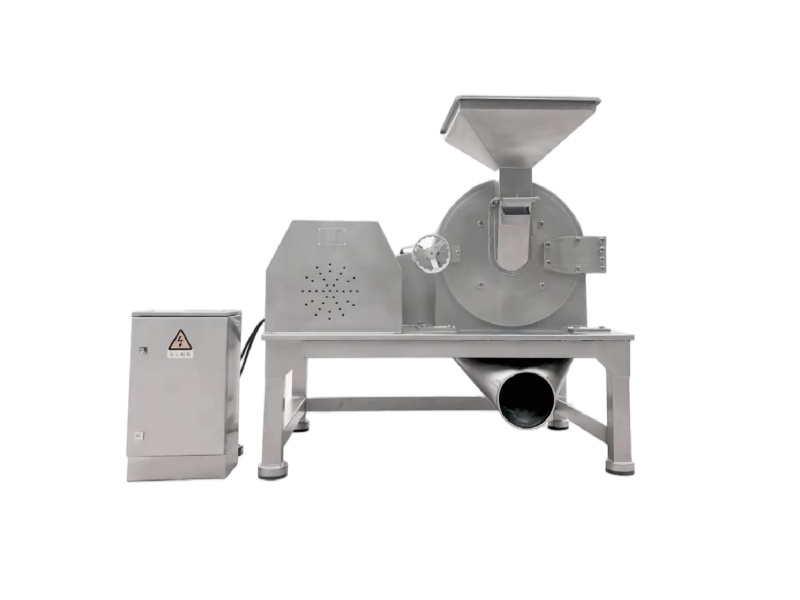
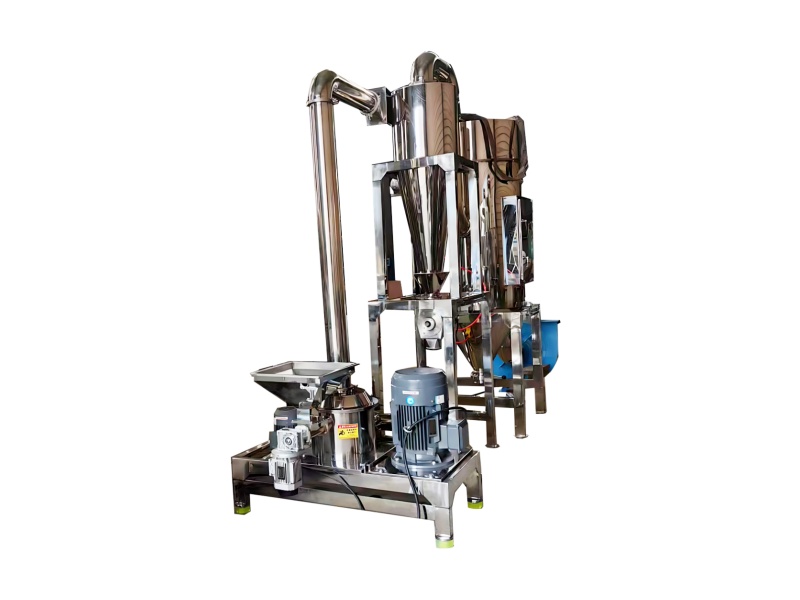
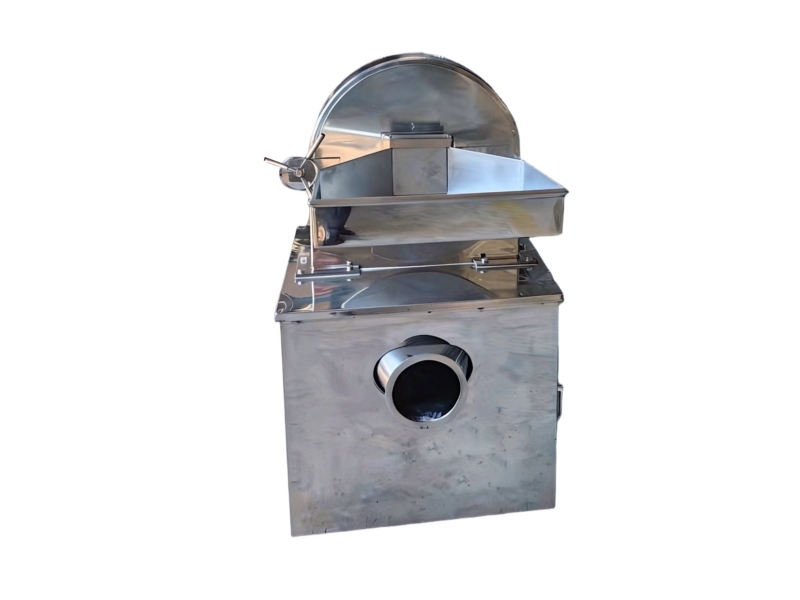
The SLU series disc mill (belong to universal powder grinder) uses a disc-type structure, essentially the lowest-configuration fixed speed pin mill. It controls fineness through screen mesh replacement, offering moderate pricing.
Working Principle: Material is crushed through compression, shearing, and friction between a pair of rotating discs.
Suitability: Standard rice flour applications where fineness requirements are not demanding.
Typical Applications: Conventional pastries, traditional rice cakes, rice noodles, and other products without stringent fineness requirements.
Low Investment Threshold: Start at about $2,000, making it suitable for users with limited budgets.
Simple Operation: Operate as a standalone unit; require no complex auxiliary equipment.
Capacity Range: Available from small-scale (20kg/h) to large-capacity (500kg/h+) models to suit diverse production scales.
Flexible Mobility: Compact size allows for flexible placement and layout.
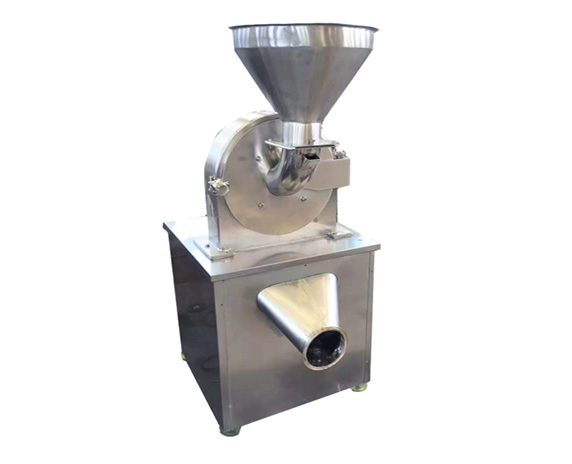
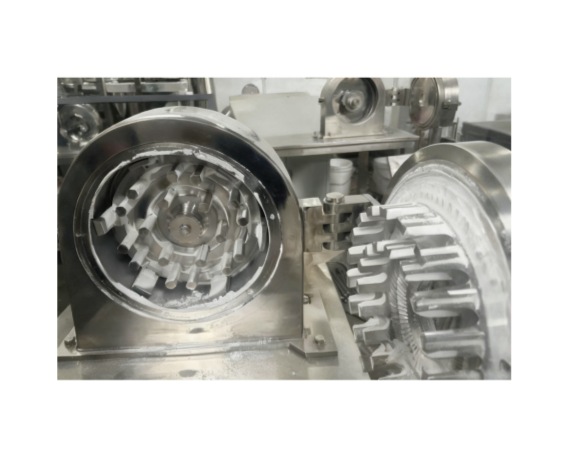
Operation & Maintenance: Simple structure, straightforward operation, but screen mesh requires regular inspection and replacement.
Cost Positioning: Moderately priced, commonly selected by small-scale rice flour processors and start-up operations.
Investment Analysis: Lower equipment investment, suitable for start-ups and small-to-medium processing facilities with limited budgets.
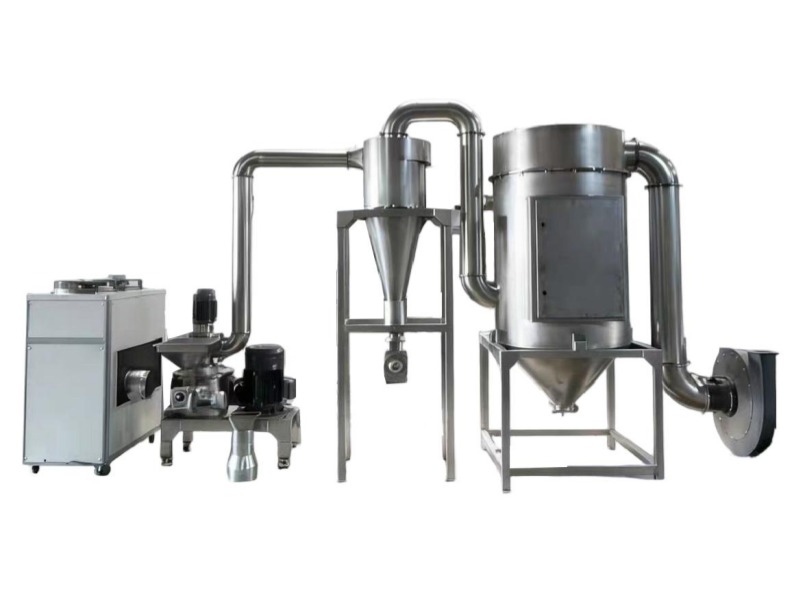
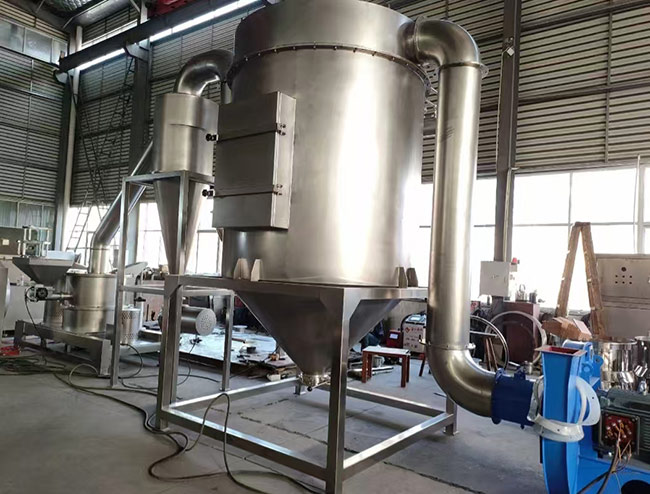
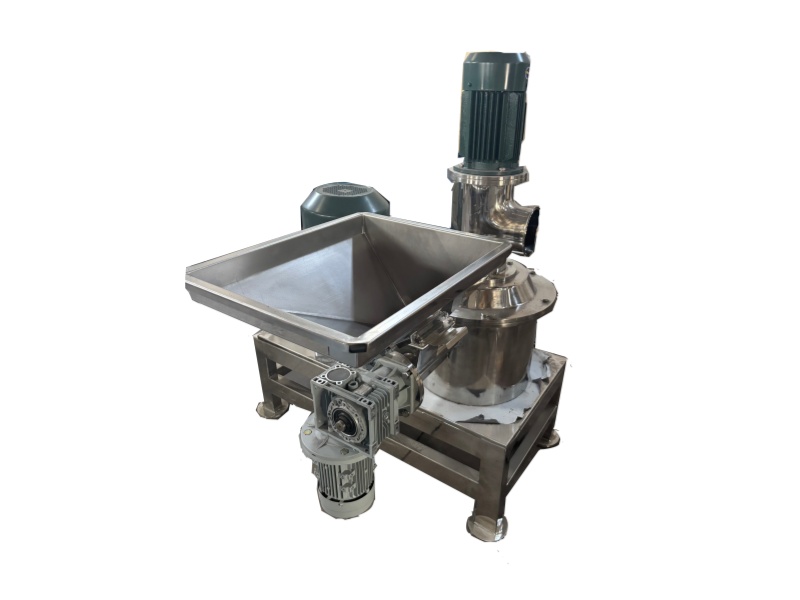
The SLA series powder grinder utilizes air classification technology with screenless design, eliminating screen wear concerns entirely. Fineness is precisely controlled by adjusting classifier rotor speed.
Working Principle: Material is pulverized by a high-speed grinding disc, then carried by airflow into the classification zone. The high-speed rotating classifier wheel creates centrifugal force, qualified fine powder passes through while oversized particles return to the grinding zone for further reduction.
Suitability: It is the ideal solution for high-quality fine rice flour production with narrow powder size distribution.
Broad Applicability: Suitable for virtually all rice varieties, white rice, glutinous rice, brown rice, black rice, red yeast rice, and specialty rice types all achieve ultra-fine powder specifications.
Fineness Range: Continuously adjustable from 60-300 mesh with excellent uniformity, the most significant advantage over disc mill technology.
Fineness Adjustment: Simple frequency inverter control of classifier wheel speed enables rapid fineness changes with wide adjustment range.
Capacity Range: Full series coverage from laboratory-scale (kg-level) to industrial-scale (ton-level) to meet varying capacity requirements.
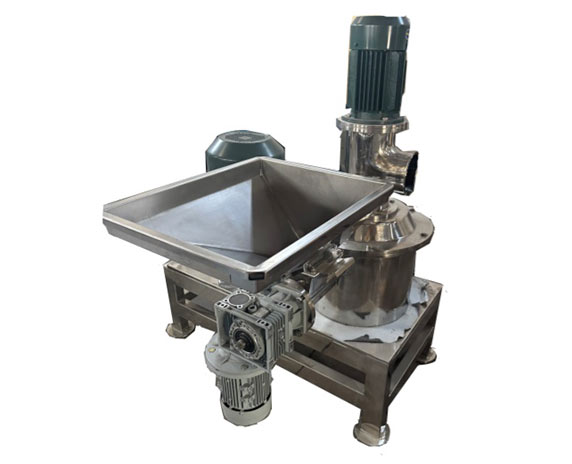
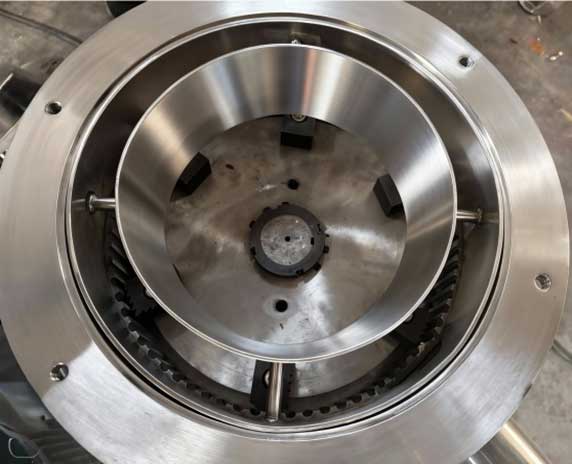
Clean & Maintenance: Manually open the mill chamber to do the cleaning and maintenance. Smarter design is optional to automatically open the mill cover.
Machine Cost: The ACM type grinder cost is much higher than the disc type and roller grinder.
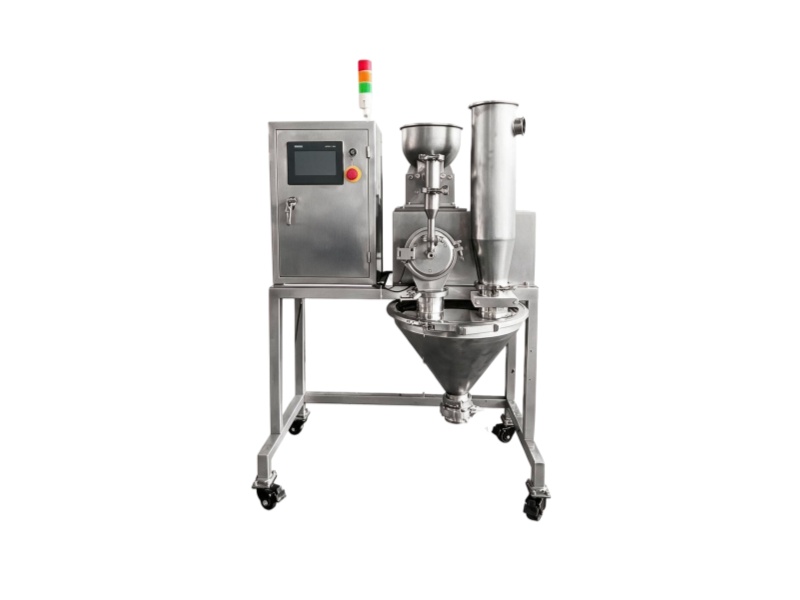
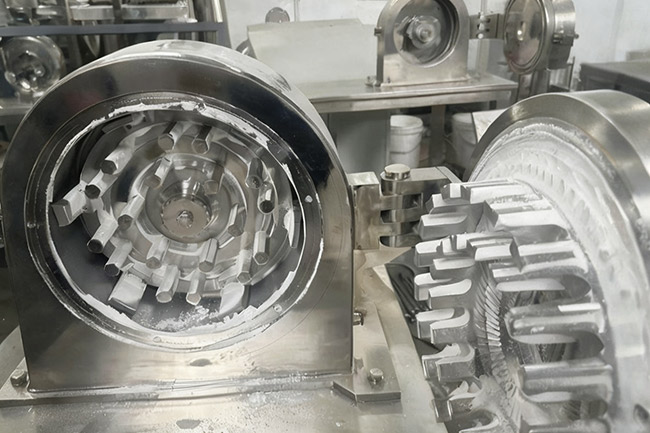
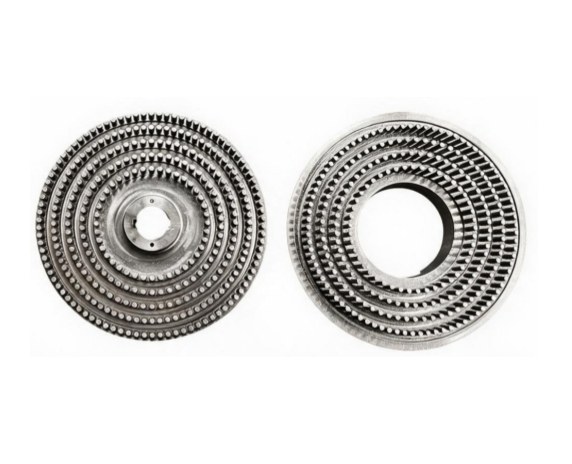
The SLZM series achieves the highest rotational speeds exceeding 10,000 rpm among all grinder types with densely arranged grinding pins on opposing discs. Material is pulverized through high-velocity impact, with fineness controlled by frequency inverter without screens.
Material is pulverized through high-velocity impact, with fineness controlled by frequency inverter without screens.
Working Principle: Material is pulverized through the high speed impact, shearing, and friction between inter-meshing pins.
Application Profile: Suitable for medium-to-high-end food processors requiring versatility across multiple material types, and applications demanding high rotational speeds and specific fineness characteristics.
Pin Disc Design: Support either single disc or dual disc rotation; dual-disc rotation is recommended for grinding fine flour.
Fineness Control: Frequency inverter adjustment of rotor speed enables fineness control within 60-120 mesh range.
Particle Size Distribution: Relatively narrow distribution with good uniformity than disc mill but not that good as ACM grinder.
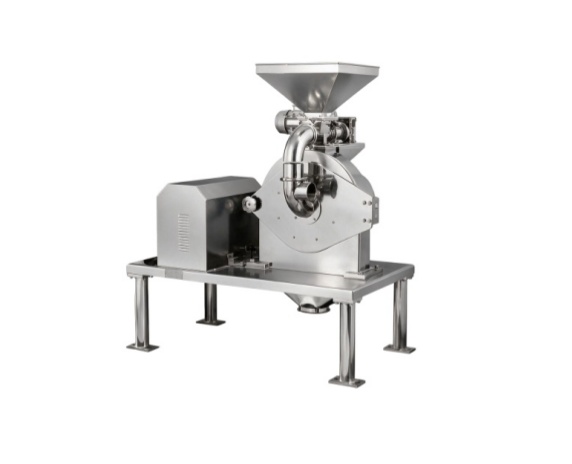
Clean & Maintenance: The door to the grinder`s mill chamber opens to the side, making cleaning and maintenance very convenient for the user.
Primary Limitation: Extremely high-speed operation generates significant heat the primary disadvantage of pin mill technology. So it often works with the cold air machine.
Machine Cost: The price is very high, some designs are even more expensive than ACM grinder.
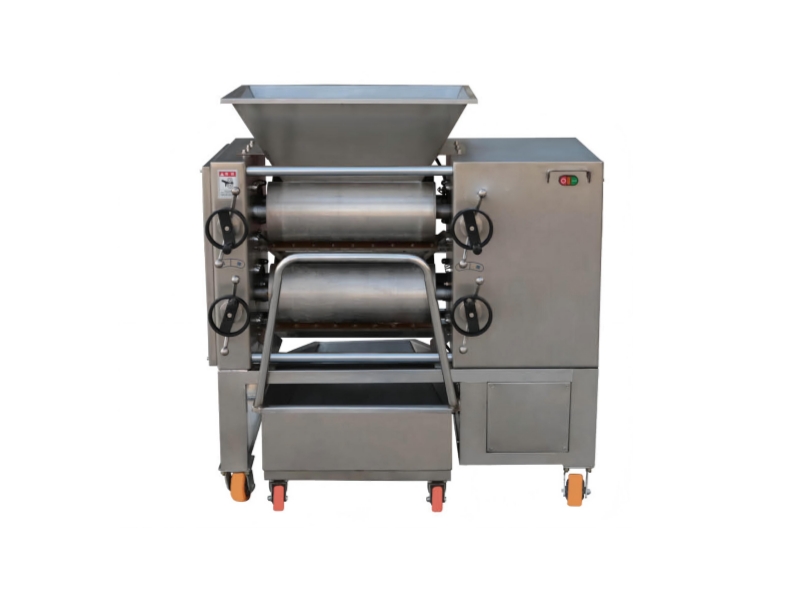
The SLRG series roller grinder utilizes compression and shearing between counter-rotating rollers to crush material, with fineness controlled by roller gap adjustment.
Grinding Result: This equipment offers the highest throughput and coarsest output among the four options.
Suitability: The preferred choice for rice product applications where fine flour is not required.
Typical Applications: Traditional rice cakes, rice biscuits, puffed rice, brown rice granules, and other products without fine flour requirements.
Fineness Range: Primarily 10-40 mesh coarse powder range. Roller gap adjustment provides limited fineness variation.
Throughput Advantage: Higher grinding speed and single-unit capacity significantly exceed the other three equipment types, ideal for high-volume coarse powder production.
Multi-Stage Configurations: Multiple roller pairs in series enable progressive reduction for improved fineness or capacity.
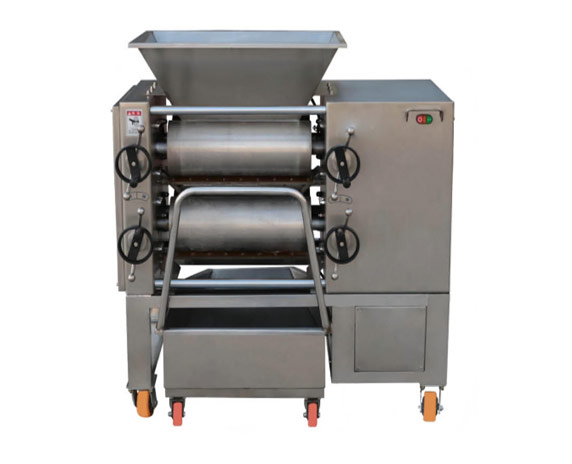
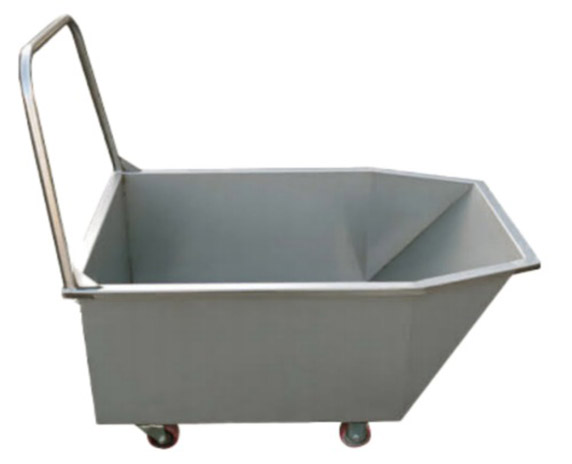
Easy Operation: Very simple grinder structure, more simpler than the disc mill.
Maintenance Characteristics: The standard rollers are highly wear-resistant and durable, and the other components are not prone to failure, resulting in very low maintenance costs.
Cost Positioning: Relatively low equipment and operating costs.
We can see that the four type grinder options for rice flour have the different grinding principle, different output rice flour quality, functional and cost limitations, etc. Different user groups and industry requirements result in different choices of rice milling machines. To facilitate analysis and comparison, we have summarized several perspectives for our customers to consider; please see below. Certainly, welcome to contact Salinovate team directly to get the rice flour grinder solution.

Rice Flour Fineness Range
SLA type air classifier mill produces the finest flour, and the SLRG series produces the most coarse flour.
Particle Uniformity
Air classifier mill > Pin mill > Disc mill > Roller grinder
Heat Generation
The pin mill type grinder generates the highest heat.
Fineness Adjustment
The air classifier mill and pin mill adopt the inverter control to adjust; other two by screen or by roller gap handle control.
Purchase Cost
In most cases, Pin mill > Air classifier mill > Disc mill > Roller grinder
Operation and Maintenance
The roller grinder is very easy to operate and maintain. The air classifier mill is a bit complicated in operation and maintenance.
Multi-Material Versatility
The roller grinder behaves the worst in the multi-material versatility in powder-processing field.
Provide you with the industry`s best solutions

Offer the pre-sales and after-sales technical support
Back to Top
We are devoted to the R&D, production and selling of the grinder machine, mixer machine and filling machine for the food factories. They work for the dry and wet food.
0086 150-5215-2936

 English
 French