


 English
 French
How to Make Fruit Jam
By:Salinovate Team Dec 12,2025
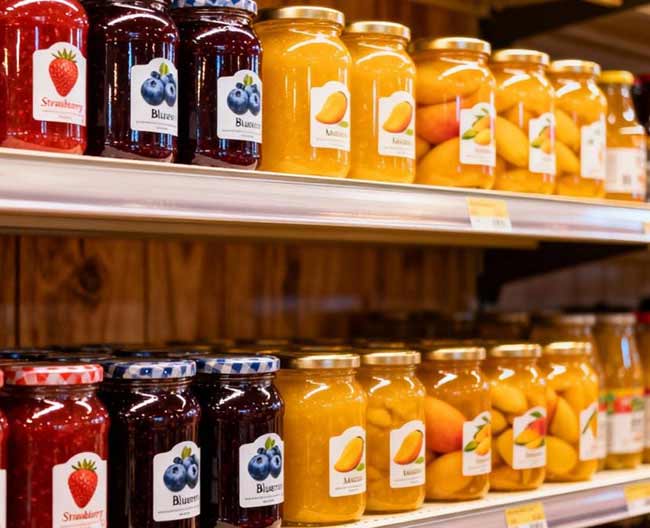
Every time you walk into a supermarket and stroll among the dazzling shelves, have you ever stopped at the vibrant jam section? The bright red of strawberries, the warm yellow of peaches, the golden hue of mangoes—the sunshine and fragrance sealed within glass jars easily evoke a sweet longing. But have you ever tried to know how these jams are actually made? This article will reveal the secrets of how to make fruit jam.

Step 1: Determine the Type of Jam–Silky Smooth or Full of Fruit Chunks
The world of jams isn't one-size-fits-all; they primarily come in two distinct forms.
Silky smooth jams are as smooth as velvet, with almost no palpable fruit fibers. Examples include variations of strawberry and blueberry jams, and many specialty jams used as pastry fillings. Their core pursuit is an extremely smooth and creamy texture.
Melodic jams offer a delightful chewing experience. You can clearly taste the tenderness of mango, the softness of peach, or the crunchy pieces of pineapple. These jams retain the original form of the fruit, making every bite a delightful surprise. They are commonly found in high-end handmade jams or those featuring specific fruit varieties.
These two types of jam production paths diverge from the very first step, directly determining the direction of all subsequent processes.
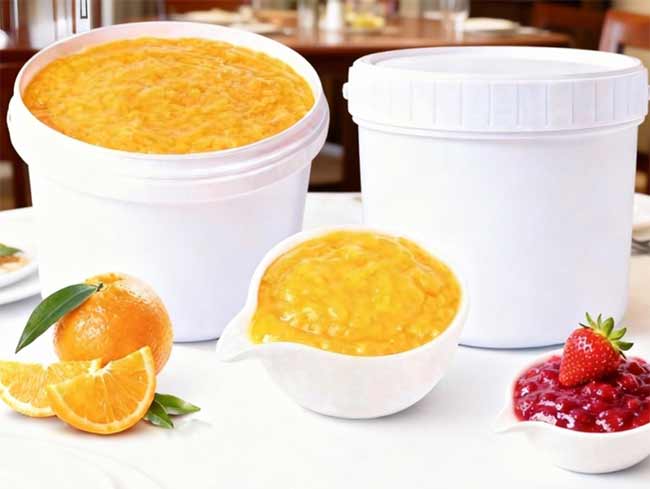
Step 2: Unveil the Core Process – Refined Homogenization and Fruit Chunk Preservation
1)For smooth, silky jams, the core process lies in transformation and blending.
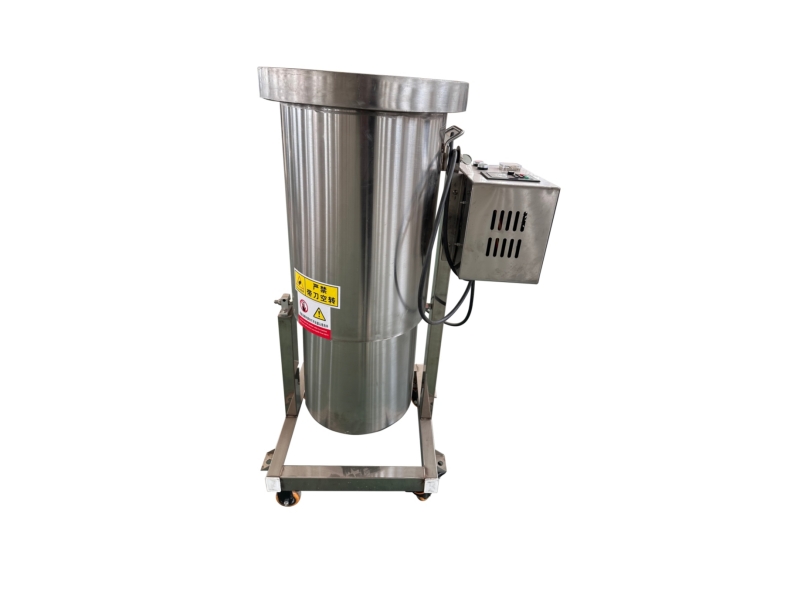
● Chopping/Pulping: Softer fruits like strawberries and blueberries can sometimes be heated directly, but most fruits need to be first crushed in a blender to form a smooth puree.
● The Magic of Heating and Sugar: During heating and stirring, the pectin in the fruit is activated by sugar and acid, forming a gel network. This is the scientific secret behind the jam's setting.
● Emulsification and Homogenization: The most crucial step. In a heated homogenizing jar, the high-speed rotating homogenizer head generates powerful shearing force, thoroughly micronizing and evenly dispersing the fruit fibers and syrup, ultimately achieving an impeccably silky texture
2)For fruit-chunk-preserving jams, the core process is preservation and balance.
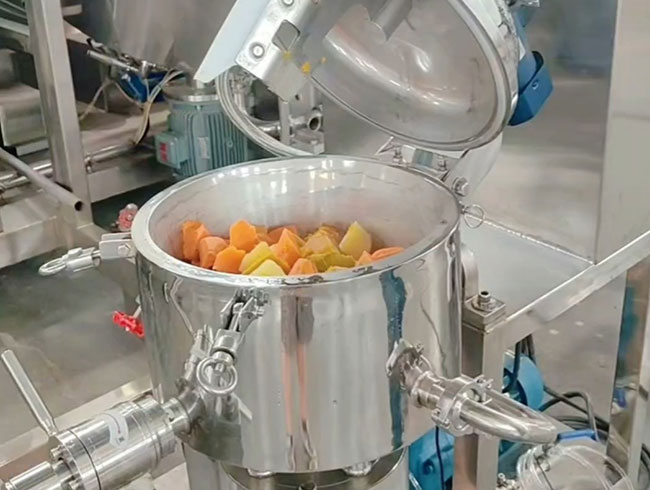
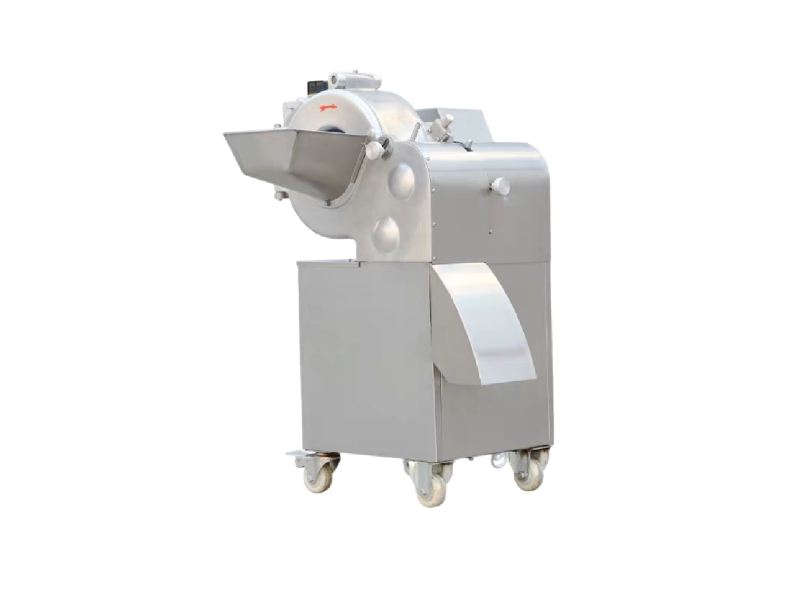
● Carefully Cutting: Fruits like mangoes and pineapples need to be cut using a dicing machine to ensure uniform and aesthetically pleasing fruit pieces.
● Gentle Mixing: In a heated mixing bowl (without homogenization function) or planetary wok, the fruit pieces and syrup are gently stirred and heated. A scraping system prevents scorching, ensuring each fruit piece is gently coated in syrup.
● Controlled Heating: Precise temperature and time control are crucial to allow the pectin to work and reach the ideal consistency, while preventing the fruit pieces from over-softening and losing their shape and texture. The entire process requires patience.
Step 3: Understand the Unsung Heroes – The Equipment Warehouse of a Jam Factory
These processes rely on a series of specialized processing machines, each with its own function:
1)Initial Processing Tools
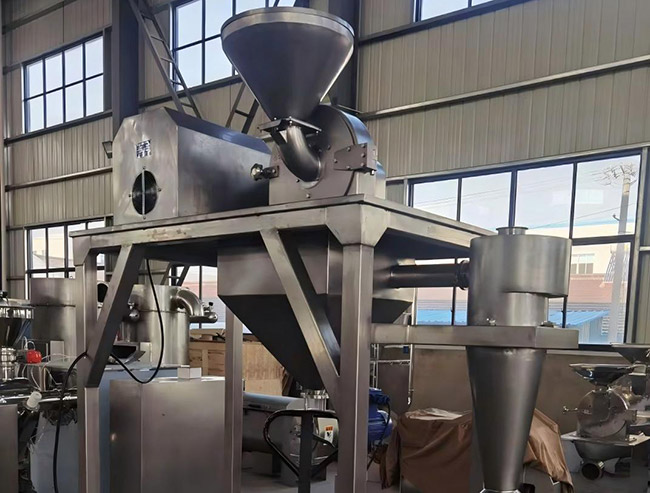
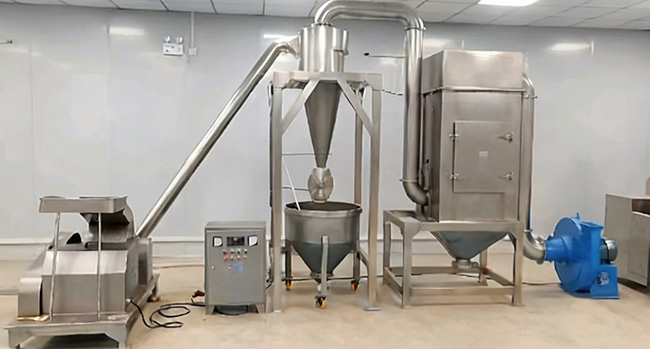
The cutting grinders are the fruit shapers, giving the fruit its initial form based on the jam type – whether it becomes a smooth puree or regular fruit chunks.
2)The Core of Classic Stir-Cooking
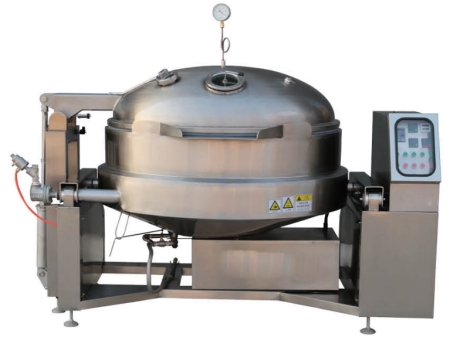
The planetary stir-cooking mixer mimics the principle of hand-stirring, with its stirring paddles revolving and rotating like planets, combined with scrapers. It is ideal for the gentle cooking of small to medium batches of high-viscosity jam, especially adept at preserving fruit pieces.
3)All-in-One All-Rounder
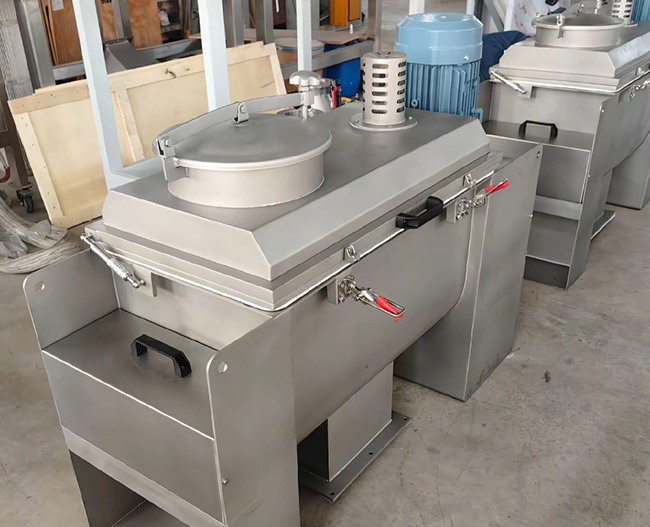
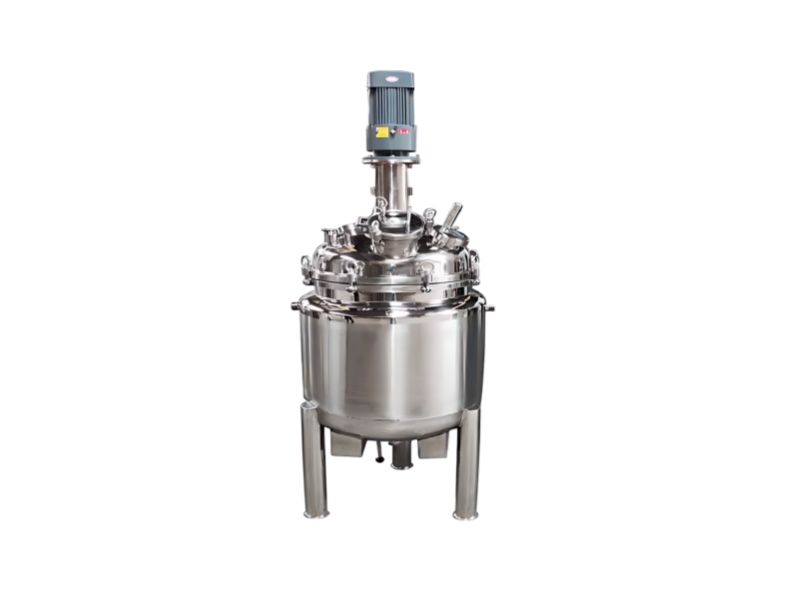
● Heated Mixing Tank: Use for producing grainy jams. The mixing unit is located in the center of the tank, driving the grainy slurry through uniform and efficient heating and mixing.
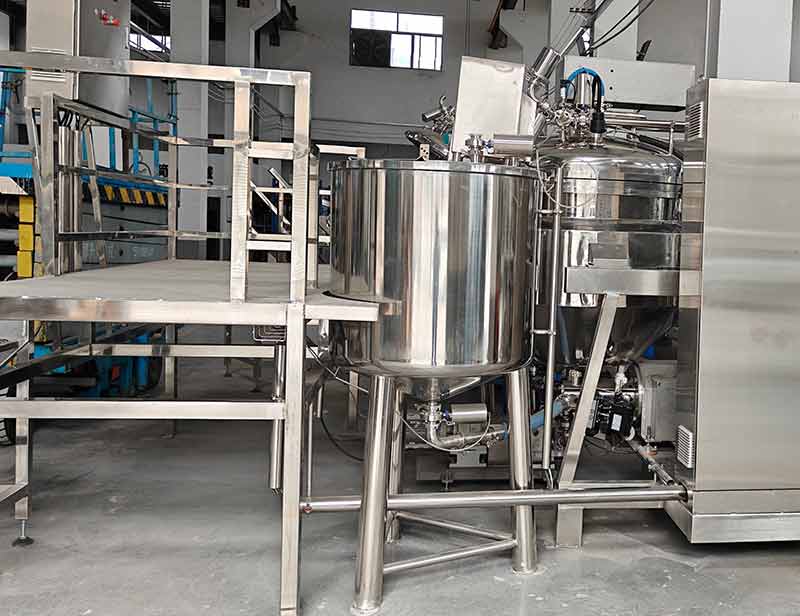
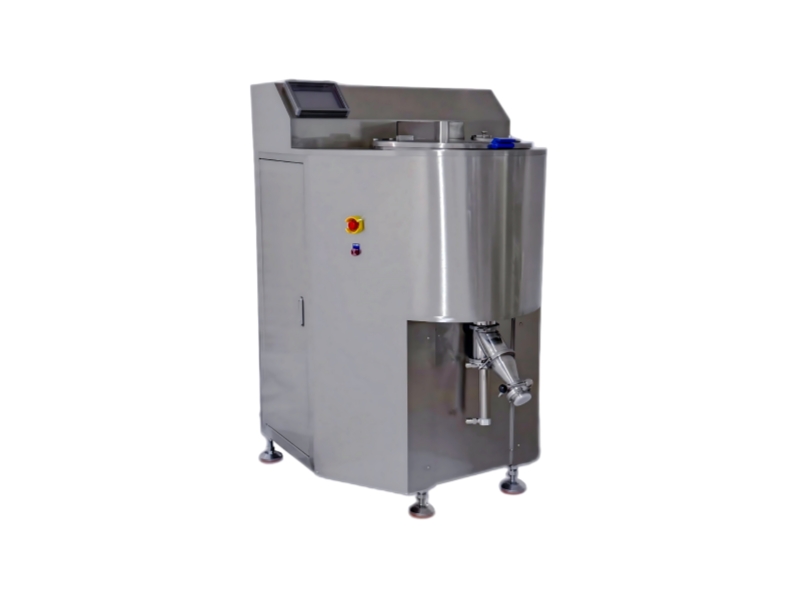
● Heated Homogenizing Tank: The "Creator" of silky jams. Integrating heating, mixing, scraping, and homogenizing functions, it completes the entire process from mixing to achieving ultimate smoothness within a single sealed container, with extremely high efficiency.
● Cutting Type Homogenizing Mixer: The "High-Efficiency Expert" for thick jams. Its powerful chopping blades at the bottom and the top mixing and scraping system work together to directly process larger pieces of fruit. It is suitable for producing thick jams that require maintaining a certain fiber texture while demanding high homogeneity.
From the selection and combination of equipment, we can glimpse the initial shape of a jar of jam's final flavor. To help you quickly compare the jam making machine, we have an article named How to Confirm Tailor-Made Mixer for Fruit Jam Making. It will be helpful for you to know deeply the machine differences.
Conclusion:
How to make jam? Now we have an answer. Each jar of jam represents a fusion of science, craftsmanship, and human sentiment. From determining the type of jam to choosing the appropriate processing method, and then to the precise realization of traditional flavors using modern equipment, it is like creating an art.