


 English
 French
Does Curry Powder Have Any Nutritional Value
By:Salinovate Team Jan 15,2026
Golden curry powder has special flavor, people often use them as food additives for the cooking dishes to enrich the taste. Then have you ever wondered that does curry powder have any nutritional value except the special taste?
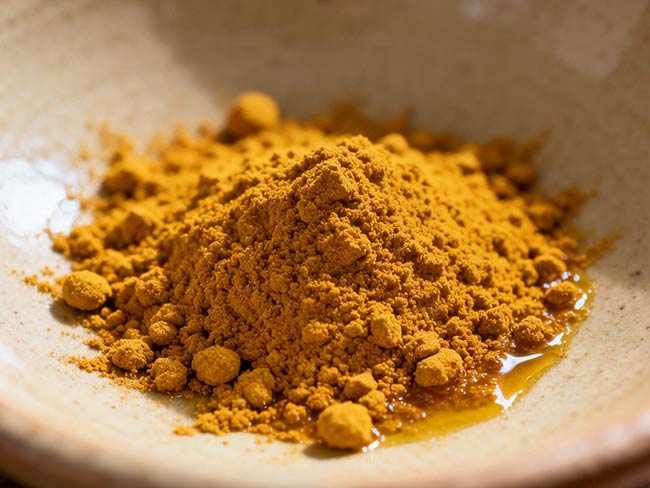
Curry powder is a powdered seasoning made mainly from turmeric and mixed with various spices. Originally originated in India, in Tamil, "curry" means "many spices cooked together". It not only brings a rich exotic flavor and layered taste to dishes, but also hides a nutritional treasure trove constructed by dozens of natural spices. You can see the detailed introduction in the following from the curry powder substitute to the nutrition content, health benefits and the production machines.

I. Spice Symphony: Curry Powder Substitute
The charm of curry powder first comes from its complex and exquisite composition. It is not just a single plant, but a symphony composed by multiple spices. So, what spices are in curry powder?
The core curry formula is usually based on turmeric powder to establish a golden background and basic flavor, and then combined around it. Common auxiliary spices include white pepper, fennel, cinnamon, dried ginger, Sichuan pepper, star anise, etc.
More complex formulas may also include dozens of spices such as coriander seeds, cloves, nutmeg, mustard, and sage. These spices each have their own unique aroma and taste, some spicy, some fragrant.
Curry powder from different regions has also developed its own characteristics. For example, the curry powder seasoning produced in China is relatively simplified, while Japanese curry often adds apple sauce or tomato sauce, which has a sweeter taste.
This complex nature determines that curry powder has a wide range of uses in cooking, such as removing fishy odors, enhancing color and color, and is an indispensable ingredient for creating the unique flavor profile of "curry flavor".
II. Nutritional Decoding: Health code in every 100 grams
The nutritional value of curry powder is the result of the synergistic effect of its various spice components. According to authoritative data released by the Nutrition and Health Institute of the Chinese Center for Disease Control and Prevention, the nutritional composition of curry powder is quite prominent.
The following is an overview of the main nutritional components of curry powder (per 100 grams), compiled from authoritative sources:
Macro Nutrients and Energy:
Energy : 1416 kj
Protein: 13.0g (significantly higher than the average of 7.6g for similar seasonings)
Fat: 12.2 grams
Carbohydrates: 63.3 grams
Total dietary fiber: 36.90 grams (far exceeding the average of 9.2 grams in the same category)
Key Vitamins:
Carotenoids: 690.0 micrograms
Thiamine (Vitamin B1): 0.41 milligrams
Niacin: 7.00 milligrams
Core Minerals (with Prominent Content):
Calcium: 540 milligrams
Potassium: 1700 milligrams
Magnesium: 220 milligrams
Iron: 28.5 milligrams
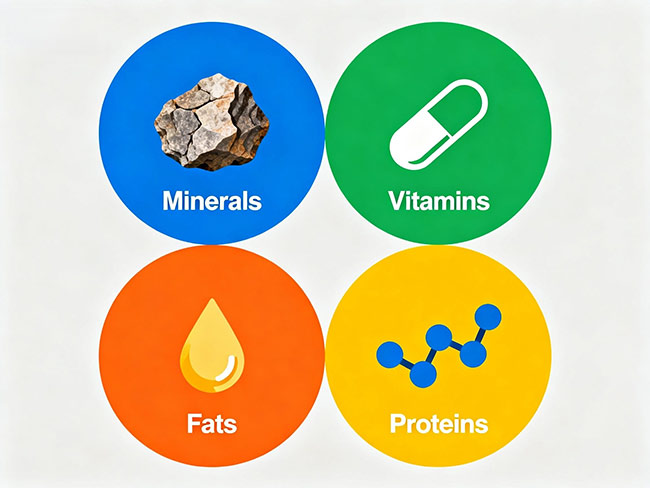
Data shows that curry powder has significantly higher levels of dietary fiber, protein, and various minerals (such as potassium, magnesium, and iron) than the average level of similar spices. This allows it to provide flavor while also contributing valuable trace elements to daily diets.
Meanwhile, a research report by Foodstruct (an organization established by medical and nutrition experts ) also shows the nutrition valve of the curry powder.
III. Health Empowerment: Functional Benefits Beyond Seasoning
Modern research has revealed that the active ingredients in curry powder, especially curcumin from turmeric, bring many health benefits beyond seasoning.
Curcumin is a natural polyphenolic compound with strong antioxidant and anti-inflammatory properties. A long-term study by the National University of Singapore found that frequent consumption of curry is associated with a 39% reduction in all-cause mortality risk and may extend life expectancy by approximately 1.9 years.
Specifically, its health value is mainly reflected in the following aspects:
1)Anti inflammatory and potential anti-cancer: Studies have shown that curcumin can inhibit pro-inflammatory cytokines and help reduce chronic inflammation levels in the body. Animal experiments have confirmed that curcumin can inhibit the proliferation of cancer cells and demonstrate outstanding anti-cancer and preventive potential against colon and rectal cancer.
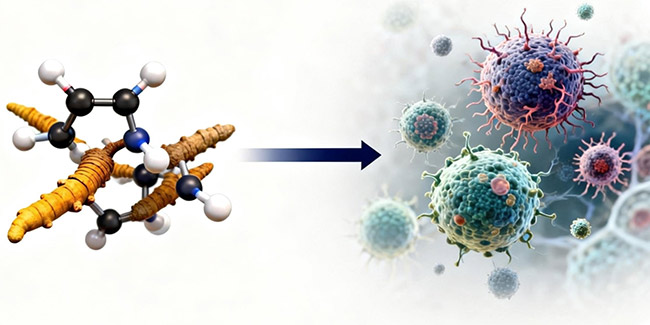
2)Protecting the liver and brain: Curcumin can activate the detoxification enzyme system of the liver, accelerate the elimination of toxins, and help protect liver health. Meanwhile, it may have a positive effect on preventing Alzheimer's disease (senile dementia) by preventing free radical damage to brain nerve cells, slowing down cognitive decline.
3)Promote digestion and circulation: The various spicy spices in curry powder can gently stimulate saliva and gastric juice secretion, increase gastrointestinal peristalsis, thereby enhancing appetite and helping digestion. It can also promote blood circulation and achieve the purpose of sweating.
4)Improve specific indicators: Moderate consumption of curry can help improve postprandial endothelial function and have a positive effect on increasing serum albumin and hemoglobin levels.
However, attention should also be paid when consuming. Curry powder is not necessarily the more the better, excessive intake may have a negative impact on waist circumference and blood sugar levels. Patients with gastritis, gastric ulcers, and those with damp heat constitution should consume with caution.
IV. From Spices to Powders: Key Equipment for Modern Production Lines
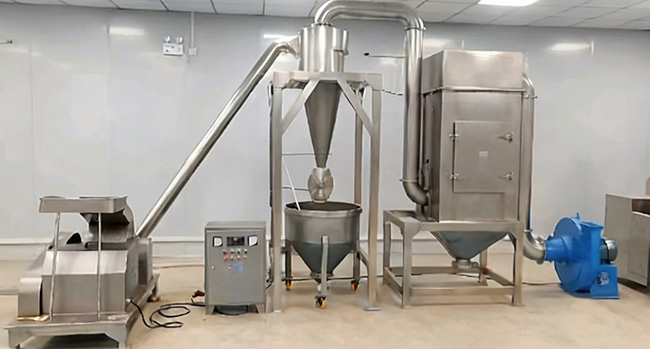
How to make curry powder? Turning various dry spices into uniform and delicate curry powder cannot be achieved without modern food processing equipment. A typical curry powder production line mainly involves processes such as grinding, mixing, conveying, and packaging.
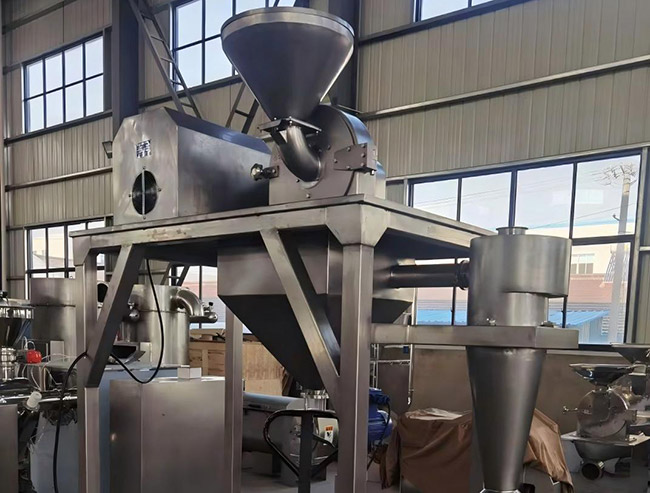
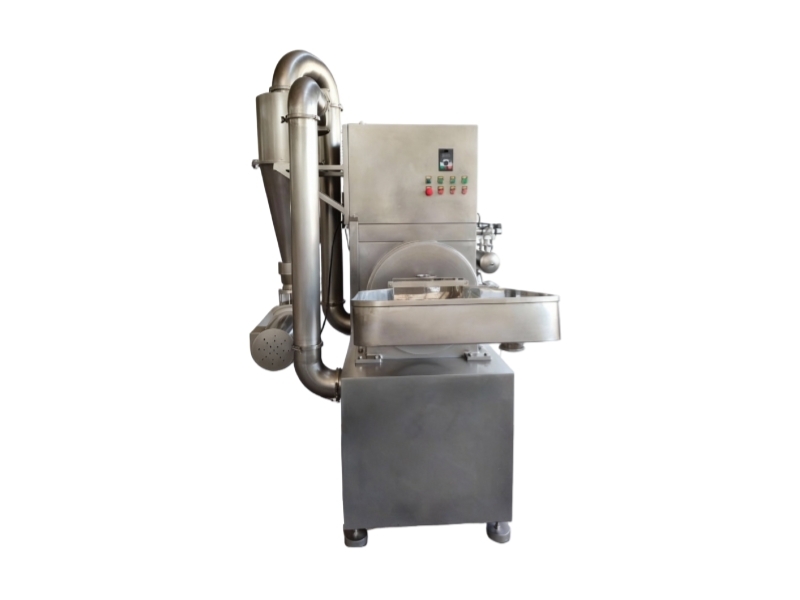
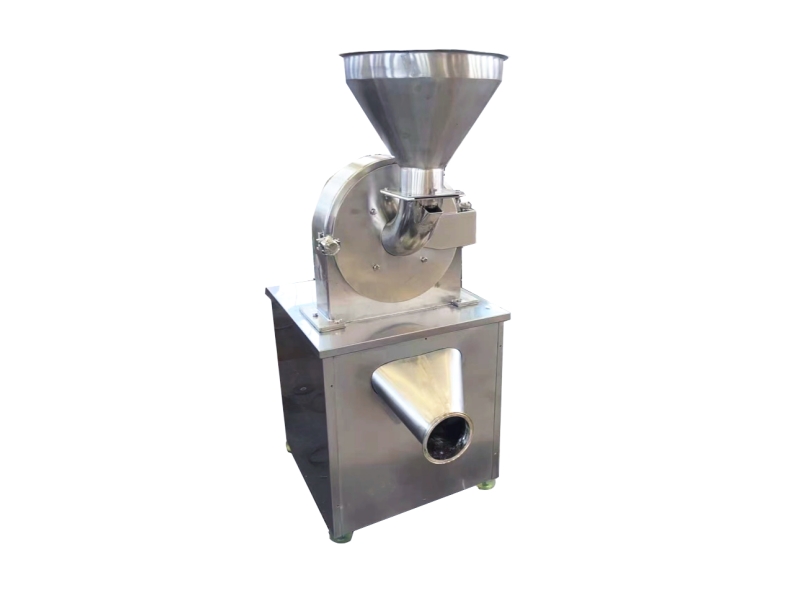
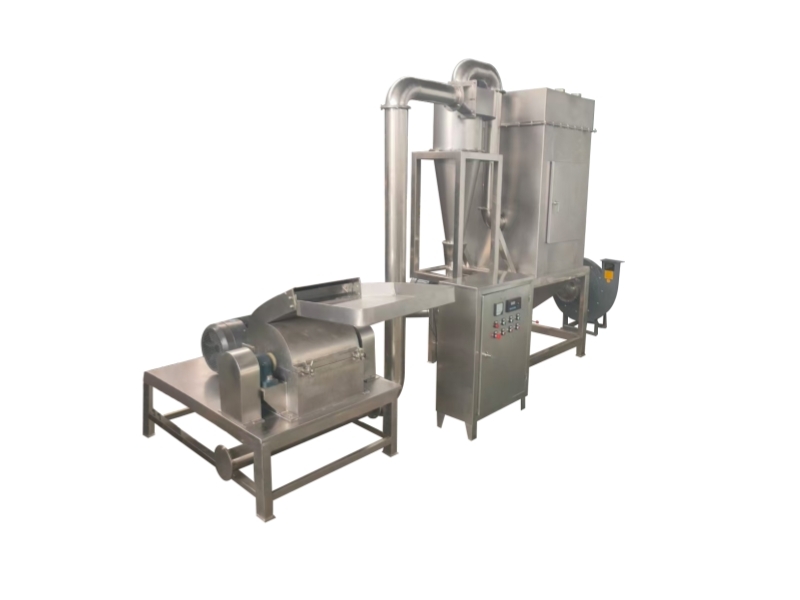
Firstly, the grinding process. A specialized spice grinder is responsible for grinding block or granular raw materials such as cinnamon and star anise into fine powder. This type of machine is usually made of stainless steel material. The high speed grinding cutters can grind spices to different fineness levels of 20-120 mesh (powder fineness unit) according to requirements.
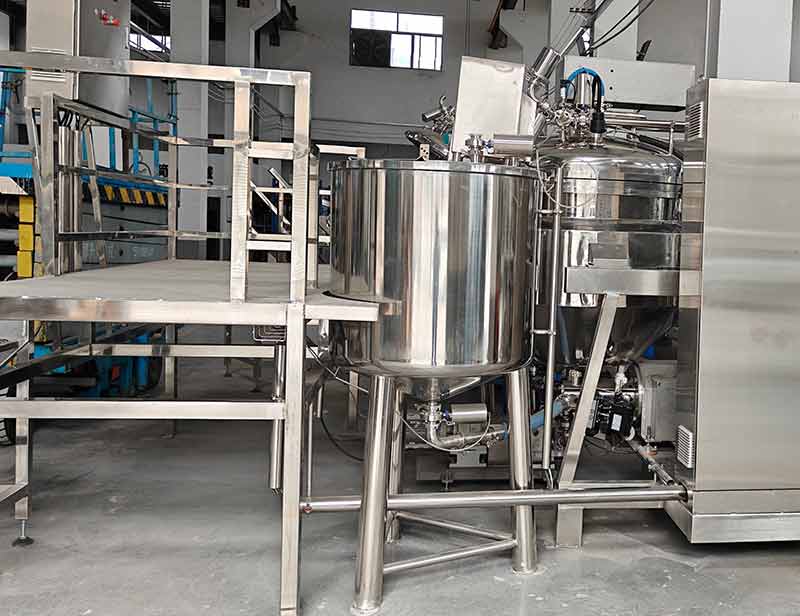
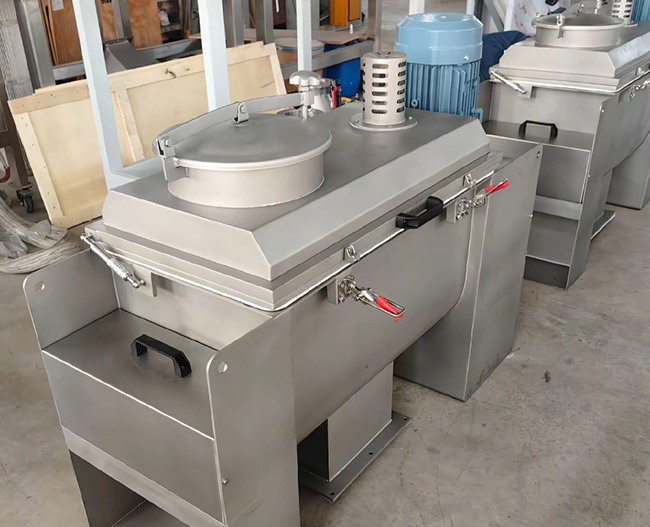
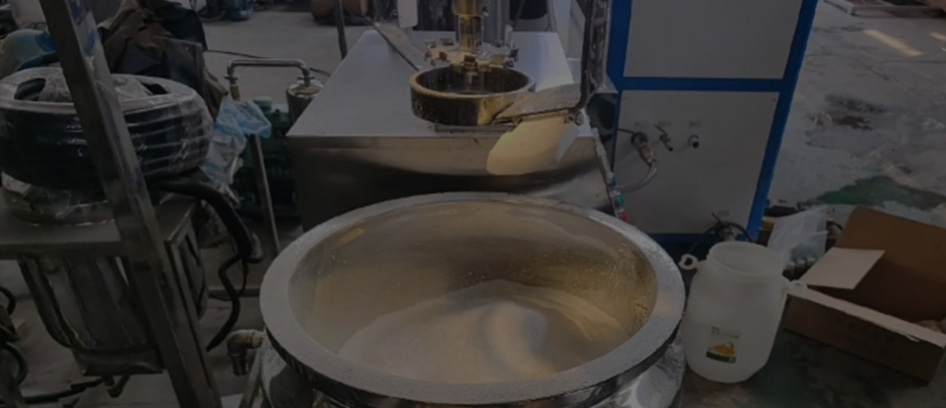
Then comes the core mixing process. The powder mixer is a key equipment. It often has the mixing devices to break up materials that may clump, ensuring uniform mixing in a short period of time. Equipment is often equipped with a spray device to allow for the addition of small amounts of liquid components when needed.
In order to improve efficiency and production continuity, the production line will also be equipped with conveying devices. It can transport materials with larger particles after initial mixing, or materials from different batches, to the grinding or mixing station for secondary processing, ensuring the uniformity of the final product quality.
V. Suggestions
Does curry powder have nutritional value? I believe everyone has the answer through the above introduction. If you like spices, it is recommended to eat curry more in your daily life. If you want to do business, you can consider doing this curry and spice business. The market prospects are relatively broad.