


 English
 French
What Is Five Spice Powder
By:Salinovate Team Dec 30,2025
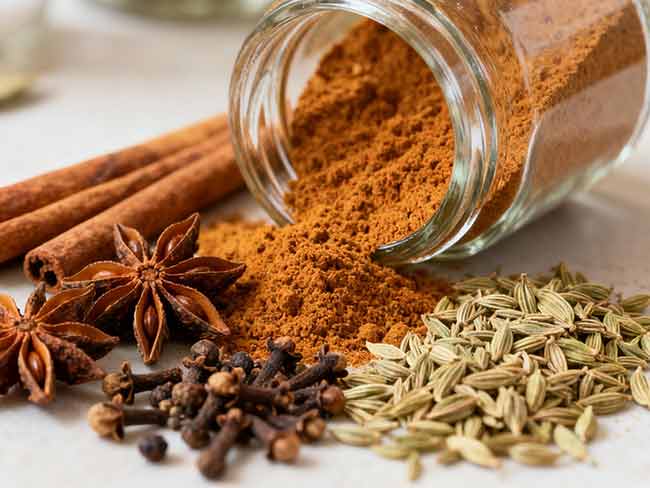
Originating in China, five spice powder's core ingredients are star anise, cinnamon, Sichuan peppercorns, fennel seeds, and cloves. These five spices, expertly blended, create a unique spice flavor. From ancient times to the present, it has spread from China to abroad and is widely loved. So what exactly is five-spice powder? What is its flavor like? And what is its production process? Today, Salinovate will provide a detailed introduction.

I. The Secrets of Spices
1)Market Background
First, five-spice powder belongs to a major branch of spices. Let me first introduce the development of spices. The global spice market value has been rising steadily, showing an upward trend almost every year. For specific development prospects, we can refer to a market report ID: FBI101694 by Fortune Business Insights(updated on Dec 15, 2025). In the future, the spice market is still considered as a hot market with great potential.
2)Function of Five Spice Powder
In this vast market, five spice powder holds a special place due to its versatility and cultural significance. Spices transcend geographical boundaries because of humanity's shared pursuit of complex flavors. The origins of five-spice powder can be traced back to ancient China, initially used for meat preservation before evolving into a seasoning.
Modern research has found that many spices in five-spice powder contain antioxidant and antibacterial components, which may explain its historical origins as a food preservative.
II. Five Spices with Special Flavors
The basic recipe for five-spice powder revolves around five core spices. Star anise brings sweetness and licorice aroma, cinnamon contributes a warm woody tone, Sichuan peppercorns offer a numbing sensation and citrus notes, fennel adds an earthy touch, and cloves bring spiciness and fruitiness.
It's worth noting that five-spice powder recipes vary regionally. Guangdong cuisine tends to include dried tangerine peel and licorice, while Sichuan versions may increase the proportion of Sichuan peppercorns. Some modern commercial recipes even include more than ten spices, such as cardamom and nutmeg.
This diversity not only reflects regional taste preferences but also the different understandings of the concept of "balance" among different chefs. Professional chefs often adjust the five-spice powder recipe based on their experience and the needs of the dishes.
III. The Evolution from Traditional Methods to Modern Production
Traditional five-spice powder production relied entirely on handcrafting. Spices were weighed according to empirical proportions and then ground in a stone mortar. The limitations of this ancient method lay in its unstable proportions and low production efficiency, making it difficult to meet modern market demands.
Industrialized production solved this problem through standardized processes and precise proportions. Modern five-spice powder production first requires establishing a scientific formula, followed by rigorous screening, cleaning, and processing of raw materials.
Key technological steps include low-temperature baking/drying to activate aroma, precise grinding to control particle size, and even mixing to ensure consistency. The entire production process is typically carried out in a temperature-controlled environment to prevent aroma loss(for high quality spice powder).
IV. Culinary Arts and Industrial Applications
In home cooking, five-spice powder is mainly used for marinating meats, seasoning braising liquid, and making soup bases. It effectively removes fishy smells and adds rich layers of Chinese flavor.
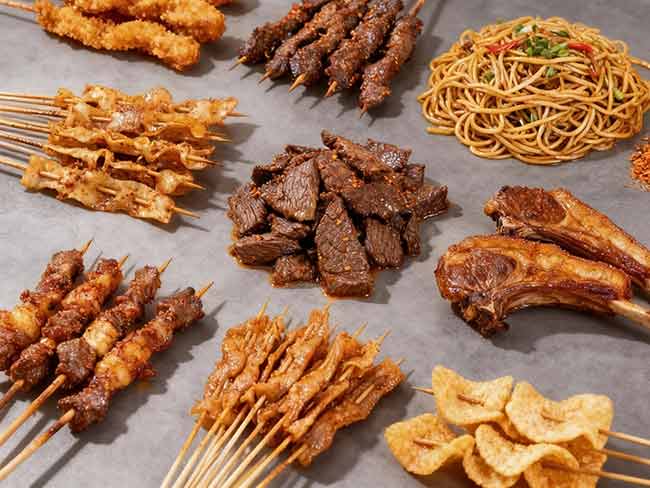
The catering industry has a wider demand for five-spice powder, finding its way from street food seasoning to innovative dishes in high-end restaurants. Five-spice powder combined with other spices creates countless classic combinations, such as combining with chili powder to create barbecue seasoning, or mixing with salt as a versatile seasoning powder.
In industrial production, the application of five-spice powder has long transcended traditional cooking. It is found in instant noodle seasoning packets, puffed food seasoning powders, and pre-made meal seasonings, making it an indispensable flavor base in the food industry.
V. Equipment Innovation and Capacity Enhancement
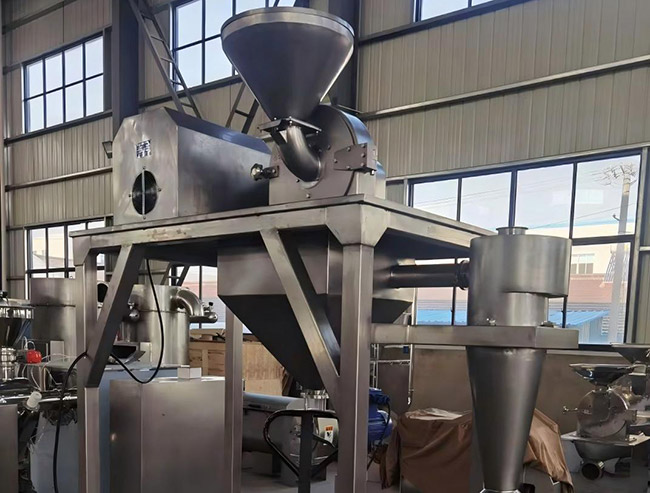
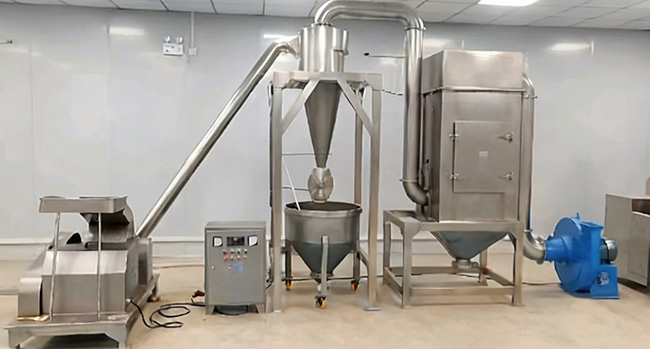
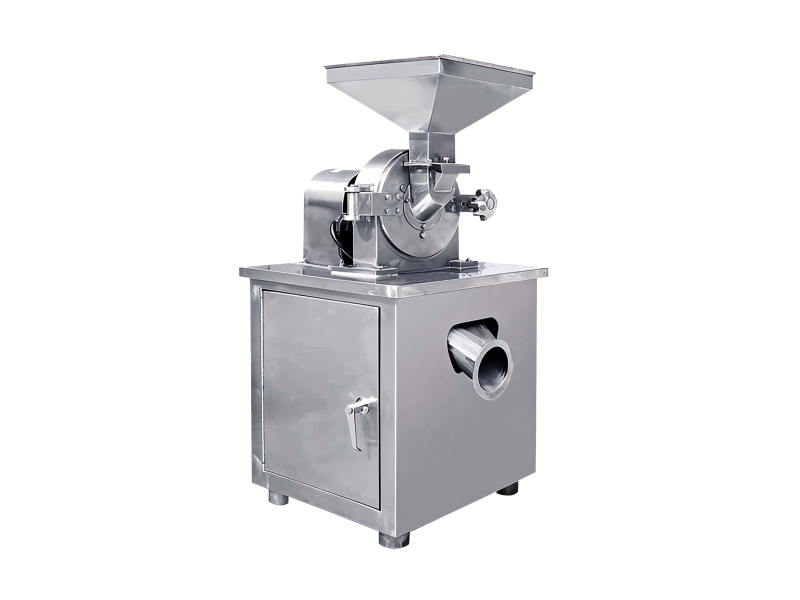
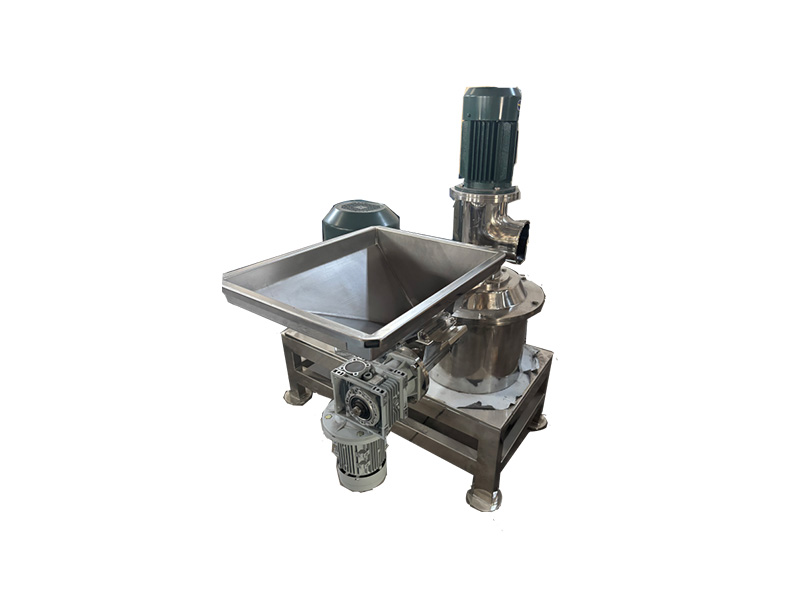
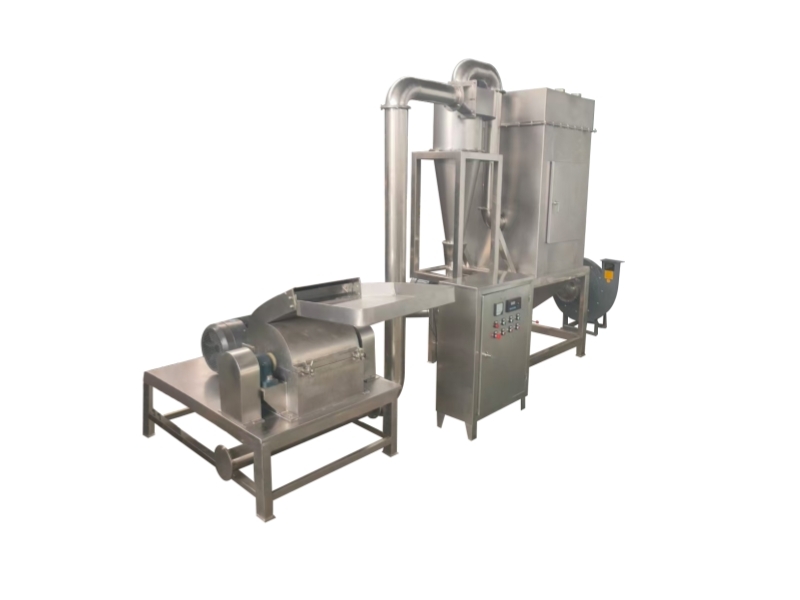
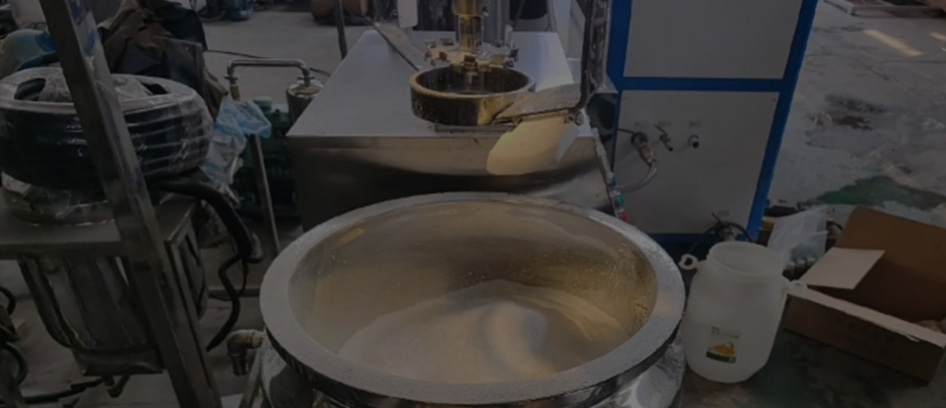
On modern five-spice powder production lines, multi-functional grinder machines can adjust pulverization parameters according to the hardness characteristics of different spices, ensuring uniform particle size.
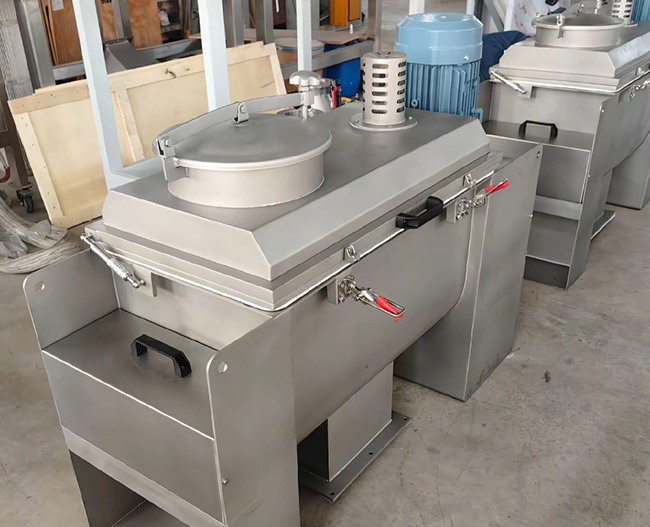
Ribbon mixers, double cone mixers, v shape mixers can achieve uniform mixing of various ingredients in a short time, with a mixing uniformity of over 95%.
Intelligent small-bag packaging machines realize integrated operation from metering, filling to sealing, and batch number coding. The packing speed can reach up to 20-40BPM depending on the spice powder and bag size.
The introduction of these devices not only significantly improves production efficiency but also ensures consistent product quality. All these devices provides technical support for the transformation of five-spice powder from a traditional condiment to a standardized commodity.
VI. Summary and Trends
Let’s back to this question, what exactly is five-spice powder? It's simply a mixture of various spice powders. As a typical representative of Chinese seasoning, it has undergone a complete evolution from homemade to standardized industrial production. Its core charm lies in the art of balancing five basic spices, a balance reflected not only in flavor ratios but also in the fusion of traditional and modern production methods.
Looking to the future, the five-spice powder industry will develop towards customization and specialization, with increasingly diverse formulas tailored to different dishes and consumer groups. Salinovate offers a variety of spice grinders, mixers, and packaging equipment. For spice powder production line design inquiries, please contact us.