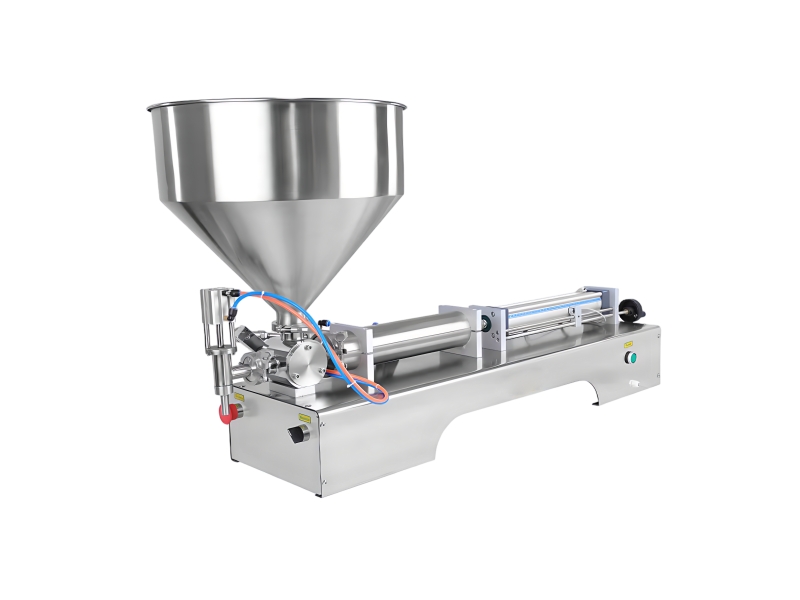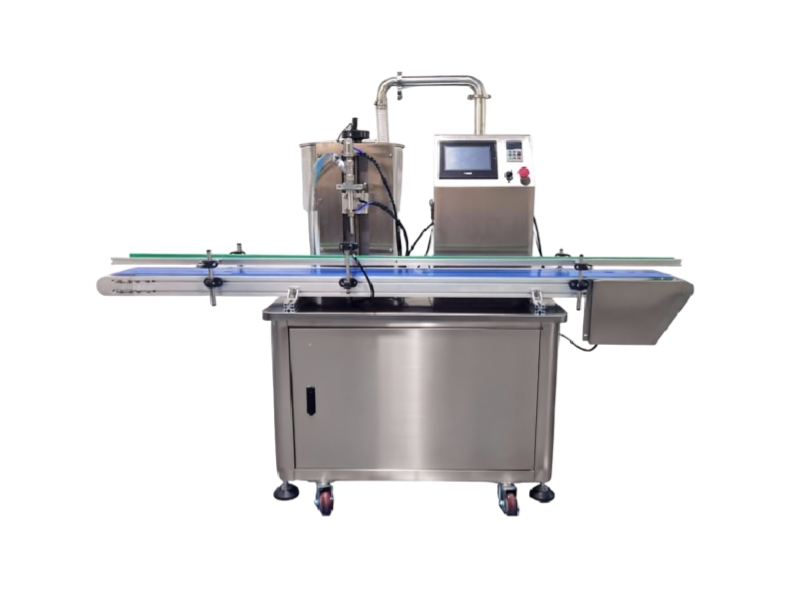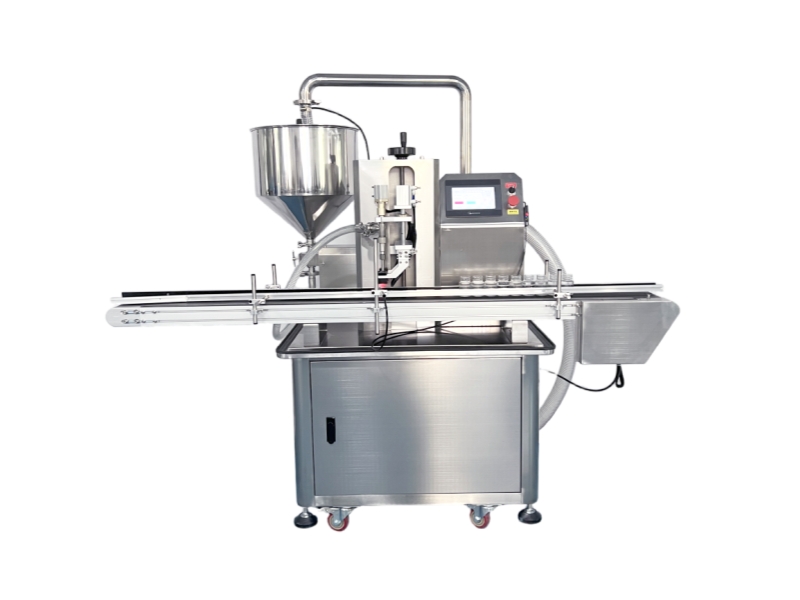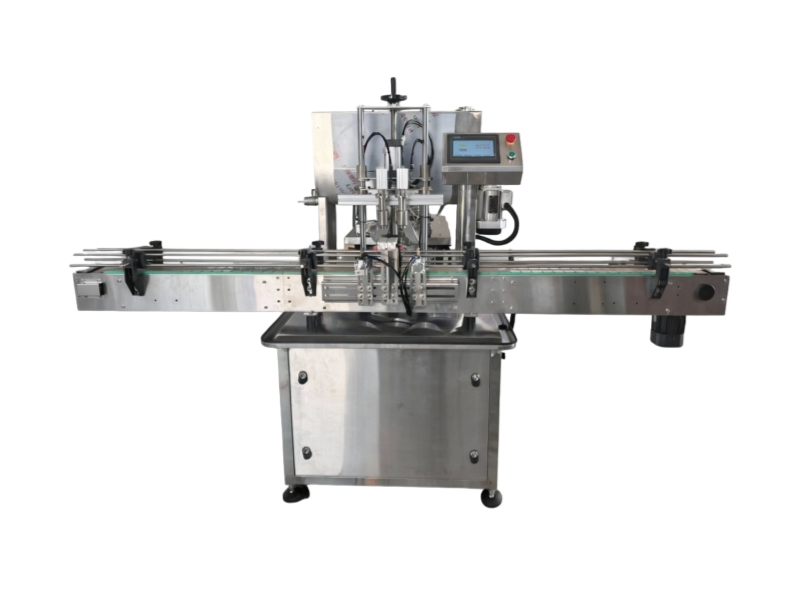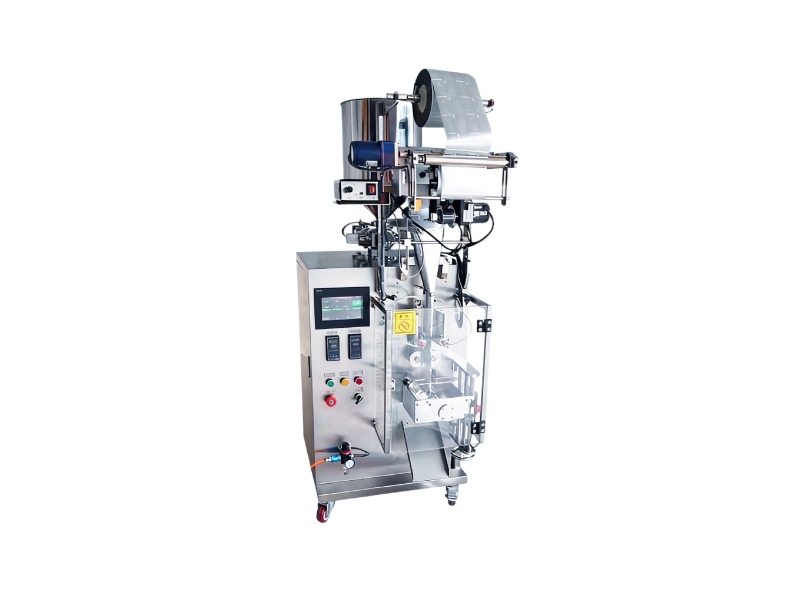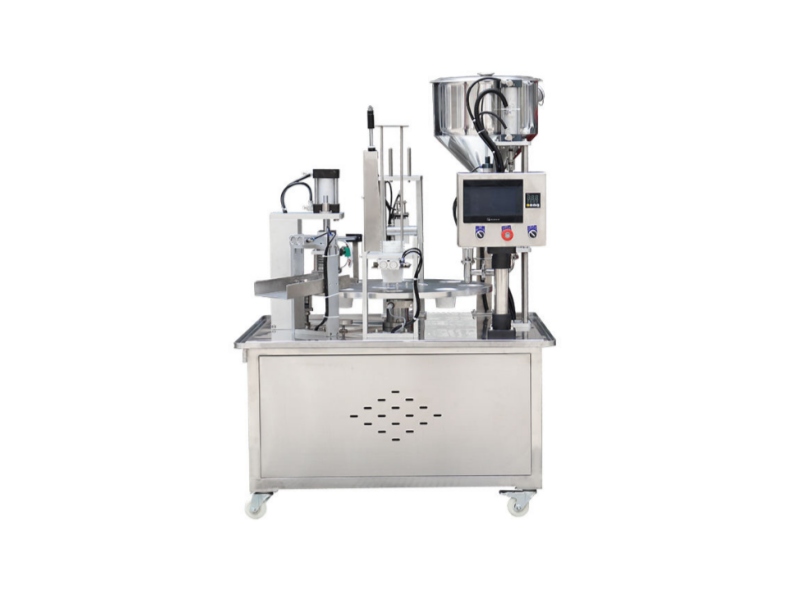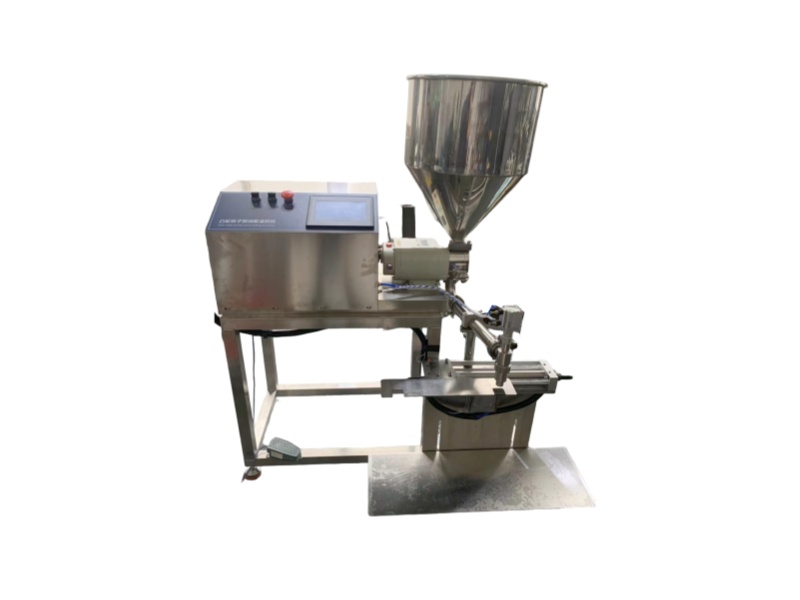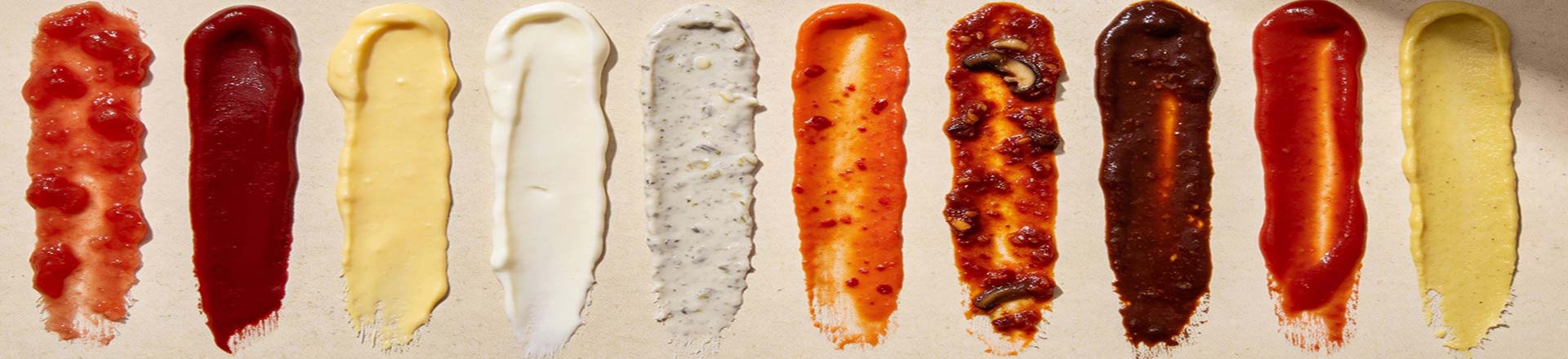
On the sauce production line, the dosing pump is hailed as the heart of the sauce filling machine. Its selection not only determines the accuracy and speed of filling but also directly impacts the cleaning and maintenance costs of the equipment as well as the hygiene and safety of the product. Faced with the three major mainstream solutions: piston pump, rotor pump, and gear pump, sauce enterprises often grapple with three dilemmas: "Is the precision sufficient?", "Will the particles break?", and "Is it easy to clean?".
This article is to conduct a comprehensive analysis of three sauce dosing pumps from five dimensions: pump body principles, material adaptability, cleaning convenience, material standards, and production capacity configuration, helping you build a scientific and rigorous filling solution.
Firstly, Salinovate introduces in detail the specific performance, application principles, cleaning methods, material selection, etc. of piston pump, rotor pump, and gear pump as sauce dosing pumps. You can have a comparison.
Piston type dosing pump is basically suitable for most sauce filling either with granules or without granules such as hot sauce, tomato sauce, jam, pet food, etc. Adaptability is relatively stronger compared to the other two.
Dosing principle: The piston pump performs quantitative suction and extraction through the reciprocating motion of the piston in the material cylinder. Its driving methods are divided into two types: servo motor control and cylinder control.
Filling accuracy: Servo motor control has high accuracy, while pneumatic control has average accuracy but high thrust and low cost, making it more suitable for scenarios with budget constraints and the need to handle high viscosity sauces.
Structural advantage: The piston pump body is composed of a smooth stainless steel cylinder and piston rod, without complex components. When cleaning, the operator can extract the piston rod and directly rinse the inner wall of the cylinder body with water, without dead corners.
CIP adaptation: In fully automated lines, online cleaning is optional. The reciprocating motion of the piston can create a strong flushing effect on the cylinder body, ensuring the thorough discharge of sauce residue.
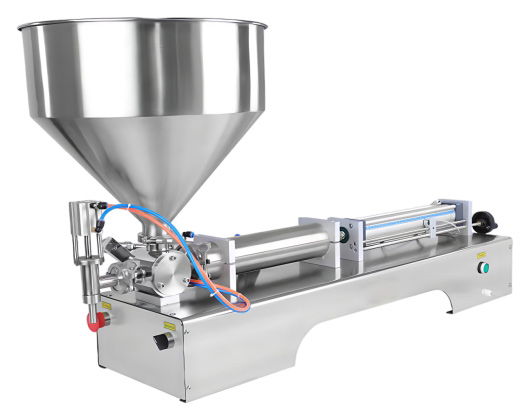
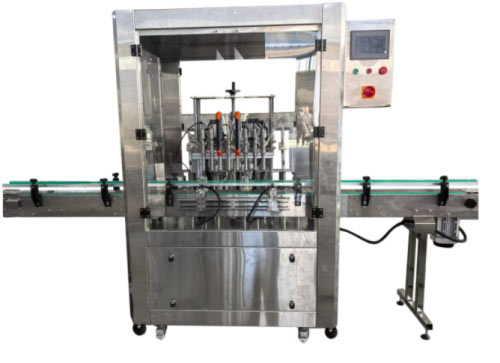
Materials: Parts in contact with materials are typically made of food-grade stainless steel SUS304 or SUS316, offering strong corrosion resistance and meeting food safety standards.
Capacity Configuration: Flexibly configured as single-head, double-head, or multi-head (4-8 heads) filling machines, different speed can be matched. Whether for semi-automatic small-batch or automatic high-speed filling lines, piston pump can achieve linear capacity increases by increasing the number of filling heads.
Rotor pump has strong pumping capacity, particularly suitable for filling high-viscosity food sauces such as mayonnaise, salad dressing, and nut butter. The filling speed is high. Certainly, it can also handle low-viscosity sauces. The cost is generally higher compared to the other two types.
Dosing principle: The rotary pump relies on the volume change generated by the rotation of a pair of rotors to transport materials, covering a full viscosity range of low, medium, and high.
Filling accuracy: Servo motor control ensures high precision.
Applicability: Generally suitable for food sauces without particles or containing soft particles that are not easily damaged.
Cleaning mode: Repeatedly flush with cleaning water. Large automated lines can support integration with CIP cleaning systems.
Rotor chamber flushing: The outer baffle can be removed for cleaning, and the rotor chamber can be flushed with a water gun.
Cleaning challenges: Due to the extremely small gap between the rotor and the pump body, and the precision of the structure, frequent manual disassembly of the rotor for cleaning is not recommended.
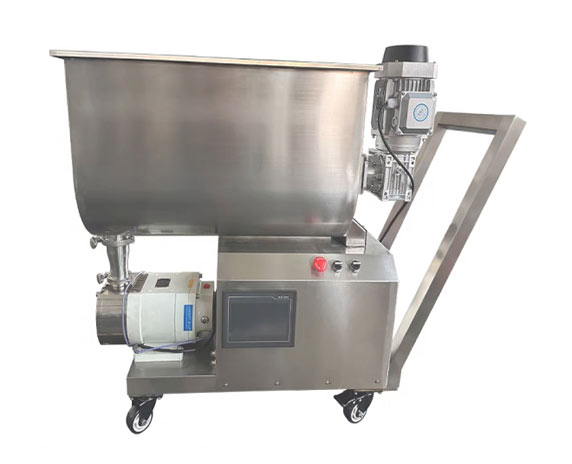
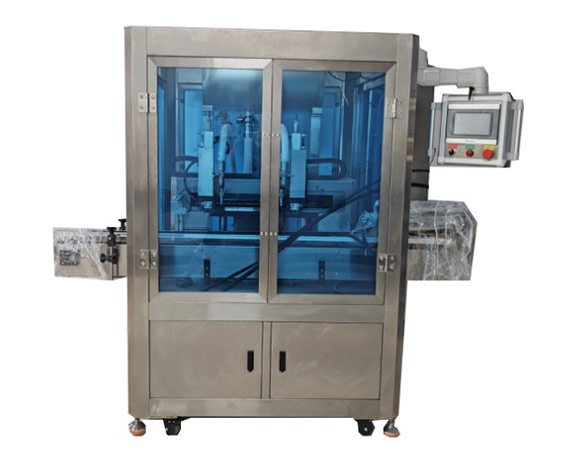
Material: The rotor is primarily made of high-strength stainless steel, and the pump body is also stainless steel, ensuring stable shearing performance for high-viscosity materials.
Capacity configuration: The rotor pump also supports multi-head configurations. Due to its high conveying speed, the multi-head rotary pump is the preferred choice for large-scale, particle-free, high-viscosity sauce production (such as industrial-grade mayonnaise).
Gear pump dosing system is particularly suitable for sauces with low to medium viscosity in good flowability (such as thin tomato sauce and condiments). The cost is relatively lower than the other two pumps.
Dosing principle: The gear pump delivers material through volume changes in the meshing space of the gears, testing different filling times to achieve varying dosages.
Filling accuracy: Current state-of-the-art technology utilizes servo gear pumps for filling, resulting in high accuracy.
Sauce compatibility: Suitable for pumping dosages of low to medium viscosity food sauces without particles.
Risk of contamination: The extremely small gaps between the meshing gear teeth and end faces allow materials (especially sugary or fibrous sauces) to easily become trapped.
Cleaning requirements: Immediate rinsing with circulating clean water is essential to prevent material from drying out. Drying can cause gear jamming or motor overload upon restarting.
Automated production lines support integration with CIP cleaning systems.
Disassembly: Removable gear baffles allow for easy rinsing.
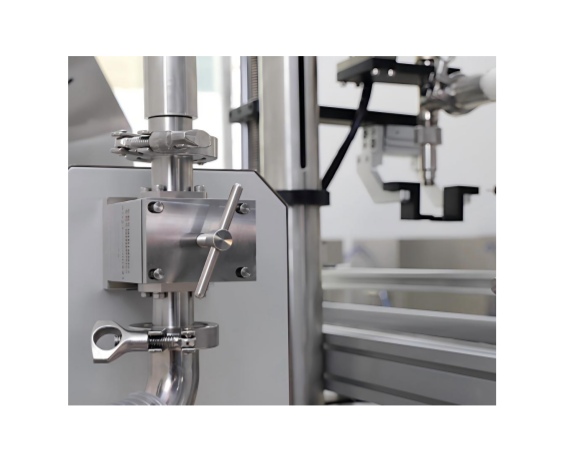
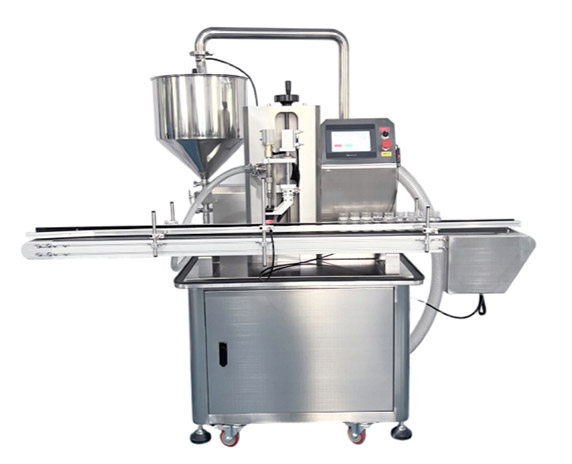
Material: Gear and pump body is typically made of high-hardness stainless steel to resist wear from prolonged operation.
Capacity configuration: The compact design of gear pumps makes them ideal for multi-head, high-precision filling machines. Multi-head gear pumps maximize efficiency on low-viscosity, high-speed filling lines for products such as juices and liquid seasonings.
Based on the comprehensive analysis of the three pump types in terms of accuracy, material adaptability, cleaning difficulty, material, and capacity configuration, we have further refined eight core considerations as a checklist for your final decision.

Viscosity Matching
Low/medium viscosity liquids containing particles→piston pump; high viscosity liquids without hard particles →rotary pump; low viscosity pure liquids →gear pump.
Particle Protection
When it is necessary to protect soft particles , piston pumps are preferred; rotor pump and gear pump may damage particles or cause equipment jamming.
Filling Accuracy
Servo motor driven piston pump and gear pump have the highest accuracy; cylinder piston pump has average accuracy but high thrust.
Production Speed
For small-batch trial production, select single-head semi-automatic; for large-batch production, multi-head fully automatic pumps should be configured.
Budget Limit
Ample budget and pursuit of high precision→servo piston pump/servo gear pump; Limited budget and high viscosity→piston pump.
Cleaning
Easy to clean→piston pump preferred; Support for frequent rinsing and cleaning→rotor pump/gear pump
Material Hygiene Standards
All parts in contact with materials must be confirmed to be made of SUS304/SUS316L food-grade stainless steel to ensure corrosion resistance and prevent product contamination.
Future Scalability
When selecting equipment, consider whether it supports integration with the CIP system and compatibility with future joint automated machines such as capping and labeling machines.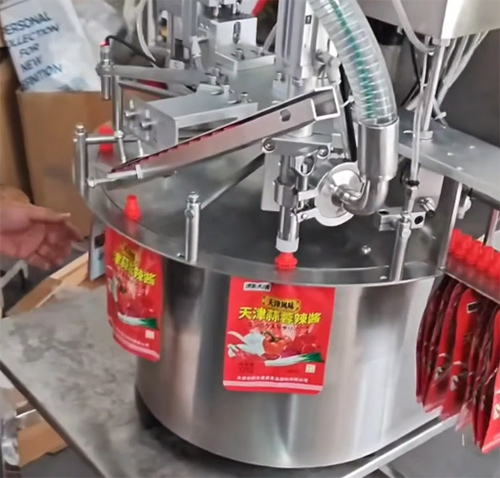
Case Study - How a Chunky Chili Sauce Producer Chose Pneumatic Piston Filler for Spout Bag
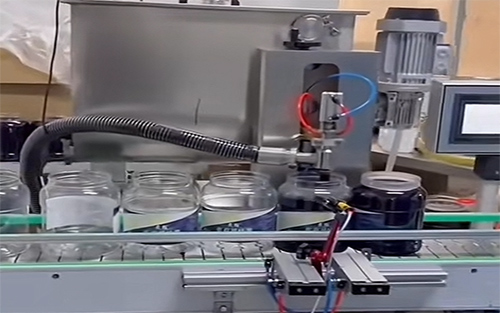
Case Analysis - How a Small Jam Producer Achieved Fast Filling with Rotor Pump Filling Machine
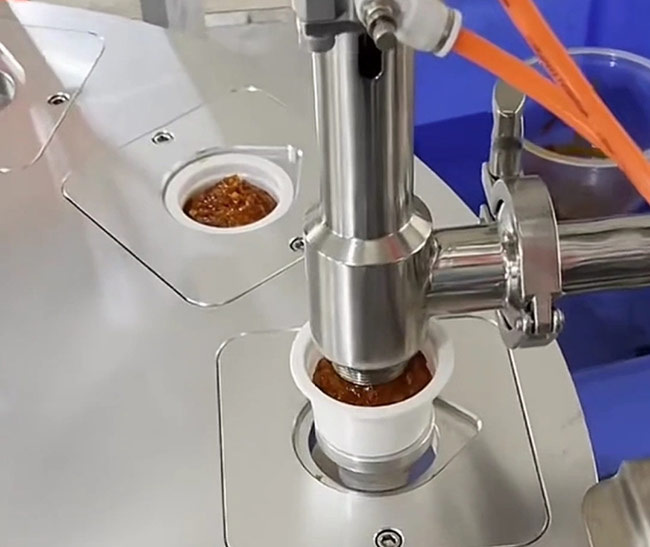
Hot Sauce Filling Case Study - Transition from Bottle to Cup Package
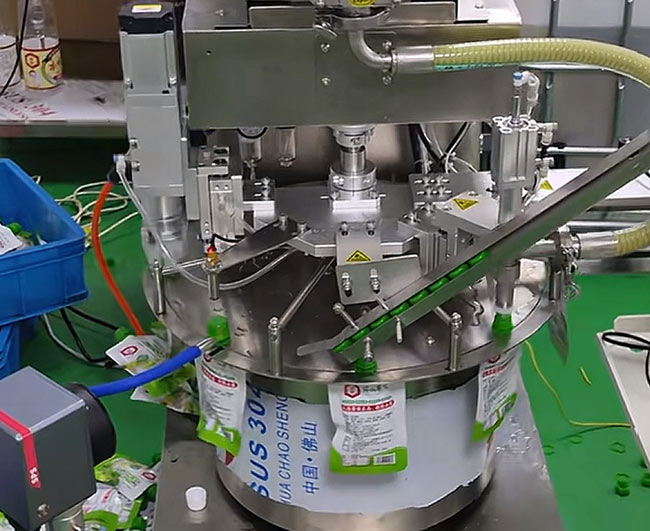
Wasabi Sauce Spout Pouch Filling Machine Case
Provide you with the industry`s best solutions

Offer the pre-sales and after-sales technical support
Back to Top
We are devoted to the R&D, production and selling of the grinder machine, mixer machine and filling machine for the food factories. They work for the dry and wet food.
0086 150-5215-2936

 English
 French