


 English
 French
Hot Sauce Filling Case Study - Transition from Bottle to Cup Package
By:Salinovate Team
I. Project Background: The Trend Towards Small Portable Sauce Packaging
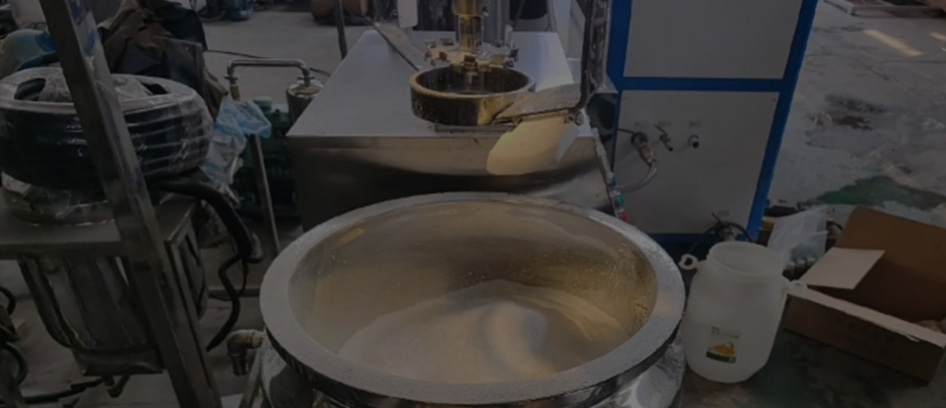
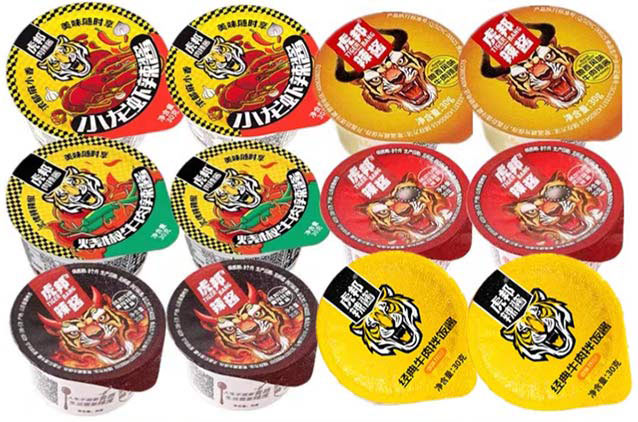
In today's fast-paced consumer market, while traditional bottled sauces still dominate, the demand for portable, small-portion packaging is growing rapidly. A sauce factory has keenly observed this market shift and plans to introduce a 30g cup-packaged hot sauce product line to expand into emerging consumption scenarios such as snack foods, takeaway meals, and travel convenience. How to confirm the hot sauce cup filling machine design for the transition from bottle to cup package? Following are the specific case analysis.
II. Needs Analysis: Accurately Understanding the Customer's Actual Needs
During the initial stages of solution design, we conducted in-depth discussions with the customer and clarified the following key parameters:
2.1 Packaging Specifications Confirmation
1)Cup Type: Standard round cup
2)Sealing Method: Formed film heat sealing (the customer has confirmed the film material is PET/AL/PE composite film)
3)Filling Capacity: 30g/cup, ±1g error range
4)Filling Material: Hot sauce with a slightly granular texture
2.2 Production Need Analysis
The customer did not have strict requirements for production speed in the initial stage, but was more concerned with:
1)Equipment Stability: Ensuring filling accuracy and sealing success rate.
2)Ease of Operation: Allowing existing employees to quickly learn and operate the equipment.
3)Convenient Cleaning and Maintenance: Adapting to the characteristics of sauce products that are prone to residue.
4)Return on Investment: Testing market response with minimal investment.
III. Recommended Model: Single-Head Automatic Cup Filling and Sealing Machine
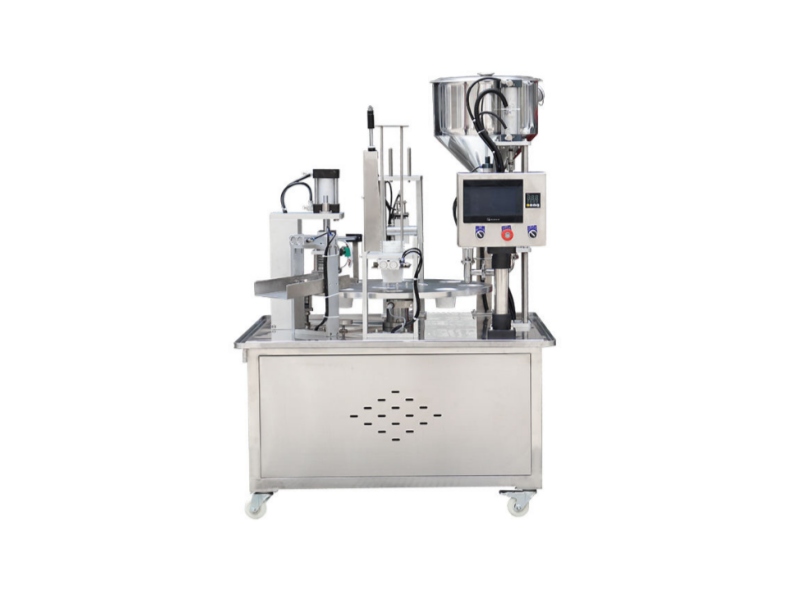
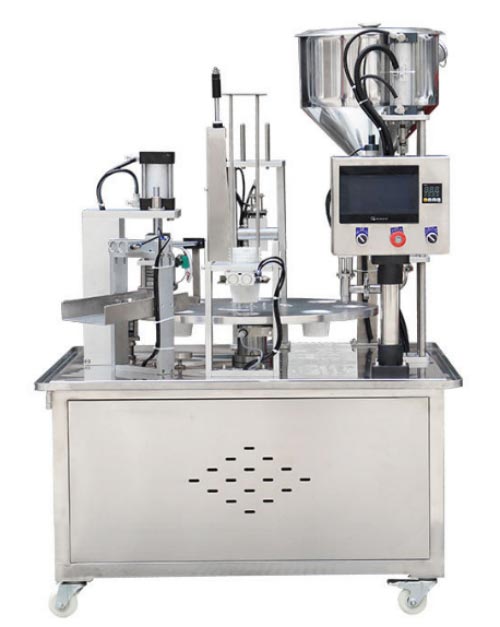
Based on customer needs, we recommend the SLCF-1 single-head automatic cup filling and sealing machine, equipped with a pneumatic piston filling system. It is ideal for filling sauces containing small particles without damaging the particles. The cup holder is designed in a modular, detachable style for easy replacement of different cup sizes in the future.
3.1 Core Technical Parameters
1)Filling Speed: Approximately 15 cups/minute
2)Filling Accuracy: ±1g
3)Sealing Success Rate: ≥99%
4)Power Configuration: Approximately 1kW, 220V and single phase
5)Equipment Dimensions: about 1100*1100*1600mm (rotary table design)
3.2 Detailed Workflow
1)Automatic Cup Feeding: A robotic arm orderly transports empty cups to the filling station.
2)Positioning Detection: Photoelectric sensors ensure accurate cup positioning.
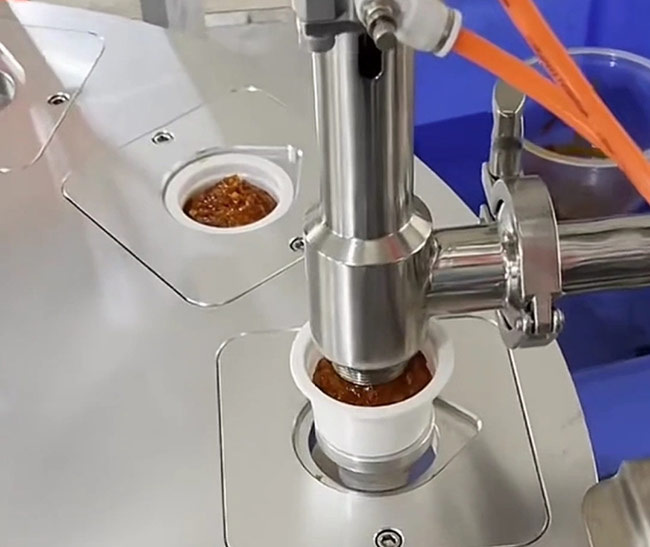
3)Precise Filling: Use a pneumatic type filling system, specifically optimized for sauces containing particles. Specially designed filling valve, it can efficiently prevent particle blockage.
4)Automatic Film Feeding: Film sheets are automatically fed and precisely positioned.
5)Heat Sealing: Constant temperature heating system (adjustable temperature range 100-250℃)
6)Finished Product Output: Automatically discharge the sealed cups to the collection table.
3.3 Advantages and Highlights of the Solution
1)Wide Adaptability: Modular cup mold design allows for overall mold replacement to match different cup types.

2)Convenient Cleaning: Key components use quick-connect design.
3)Intelligent Control: PLC + touch screen control, parameters can be stored and recalled.
4)Low Failure Rate: Core components use internationally renowned brands such as Siemens, Schneider, and Weinview, ensuring stability.
IV. Solution Communication and Customized Adjustments
During the several months of communication, we focused on addressing several core concerns of the customer:
4.1 Installation and Operation Training
We provided detailed installation instruction videos and committed to arranging on-site installation and commissioning by engineers upon equipment arrival. Operation training included:
1)Basic Operation: For general operators, ensuring safe and standardized operation.
2)Maintenance: For equipment administrators, extending equipment lifespan.
3)Troubleshooting: For technical personnel, improving problem-solving efficiency.
4.2 Cleaning Solution Optimization
Given the characteristics of chili sauce, which is prone to residue and high in oil content, we specifically optimized the cleaning solution:
1)Key contact parts: All made of 304 stainless steel with improved surface finish
2)Filling valve design: Detachable design with no dead corners
3)Provision of dedicated cleaning tools and guidance: Including cleaning use water guns, long-handled brushes, and food-grade cleaning agents
4.3 Sample Testing Commitment
To ensure perfect compatibility between the equipment and the client's cup type, we committed to:
1)Completing testing within 7 working days of receiving sample cups
2)Providing complete test videos and reports
3)Free adjustment of equipment parts if any incompatibility issues are found
V. Machine Testing: A Critical Verification Stage
5.1 Test Preparation Phase
After the equipment is completed, the customer sends samples of the actual cups (including lids) to our testing center. We strictly simulate the customer's production environment for testing.
5.2 Test Process Record
We received 300 cups for actual machine testing. All functional parts of the cup filling and sealing machine were tested to check for any individual function problems, and adjustments were made promptly. We also helped the customer correct parameters such as filling time and interval time set in the PLC touch screen, making it easier for the customer to operate the machine later.
5.3 Test Results Summary
1)Production Efficiency: Stable speed reached 18 cups/minute, meeting the customer's speed requirements.
2)Chili Integrity: The shape and size of the chili peppers did not change significantly after filling.
3)Sealing Quality: Good sealing performance, with no damage or leakage.
4)Equipment Stability: Continuous operation without any problems.
5.4 Test Video
For a more visual understanding of the actual machine operation, you can watch our hot sauce cups filling machine testing video.
VI. Summary and Insights
The hot sauce cup filling machine was delivered within one week of the completion of testing, and our engineers provided on-site installation and commissioning. The equipment is currently operating well, and the market feedback for the cup-packaged hot sauce has been very positive. We wish our client continued success in the market for their cup-packaged sauce and look forward to deeper cooperation in the future.
Furthermore, this case also reflects the rise of cup-packaged sauces. Currently, food packaging is developing towards smaller portion sizes, better suited to single-person consumption and reducing waste. Cup-packaged sauces are also more convenient for consumers, allowing for immediate consumption without the need for additional utensils.
In today's increasingly diverse and personalized food packaging market, flexible, precise, and reliable filling solutions have become an important support for food companies' innovation. We look forward to cooperating with more companies to jointly promote the progress and development of food packaging technology.