Mixing powder with liquid may sound like a simple task, but in industrial production, it is actually an engineering decision that requires careful consideration. There is no one-size-fits-all mixer; the final choice of equipment depends entirely on the characteristics of your materials, the mixing ratio, and the desired outcome. To help clarify the options, Salinovate team have categorized common powder-liquid mixing requirements into three main types, providing insight into the diverse mixer options for liquid powder mixing.
Common powder-liquid mixing requirements typically involve a high proportion of powder with a low proportion of liquid; a high proportion of liquid (pure aqueous phase) with a low-to-moderate proportion of powder; or a high proportion of liquid (aqueous and oil phases) with a low-to-moderate proportion of powder. To accommodate various mixing requirements, Salinovate team offer a range of mixer options, including powder mixers, high-shear dispersing mixers, mixing tanks, inline emulsifier mixers, and vacuum emulsifier mixers, etc.
If your mixing objective is uniformly incorporating a small amount of liquid (such as flavorings or oils) into a bulk quantity of dry powder, powder mixing equipment with a liquid spray system provides the ideal solution.
Core Challenge: Ensuring the small volume of liquid is evenly distributed throughout the powder without causing clumping.
Typical Applications: Spraying oil onto seasoning powders, adding molasses to animal feed, wetting powders prior to granulation, adding flavorings to food powders, etc.
Powder-Liquid Mixer Types: Customized ribbon mixers, double-cone mixers, 3D powder mixers, etc.
Most Widely Used Type: Ribbon mixer; its dual-layer (inner and outer) ribbon agitators efficiently turn over the powder. Liquid is introduced via atomizing nozzles mounted at the top of the unit.
Customization Options: Liquid spraying system; the specific spraying system is selected based on the type of liquid used.
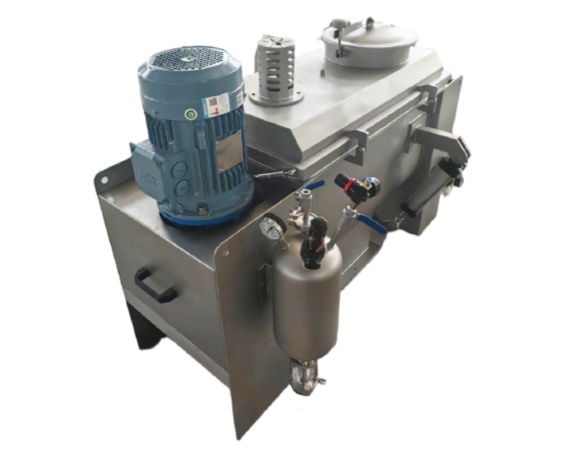
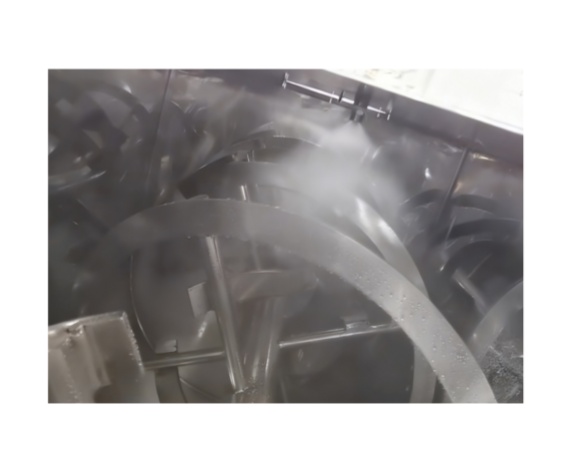
Confirmation of Final Product: For this type of powder-liquid mixer, the final product remains a powder.
Confirmation of Material: Powder bulk density and flowability, liquid type (oil-based or water-based), mixing ratio.
Confirmation of Mixing Capacity: Batch capacity or hourly mixing output requirements.
When you need to rapidly disperse small to moderate amounts of powder into a large volume of aqueous liquid without forming clumps, high-shear dispersion mixers or mixing tanks can help you achieve your mixing objectives quickly.
Core Challenge: Achieve instant wetting and dispersion of powders into aqueous liquids.
Typical Applications: Initial dissolution of food ingredients, simple blending of flavoring liquids, agitation during liquid fertilizer fermentation, etc.
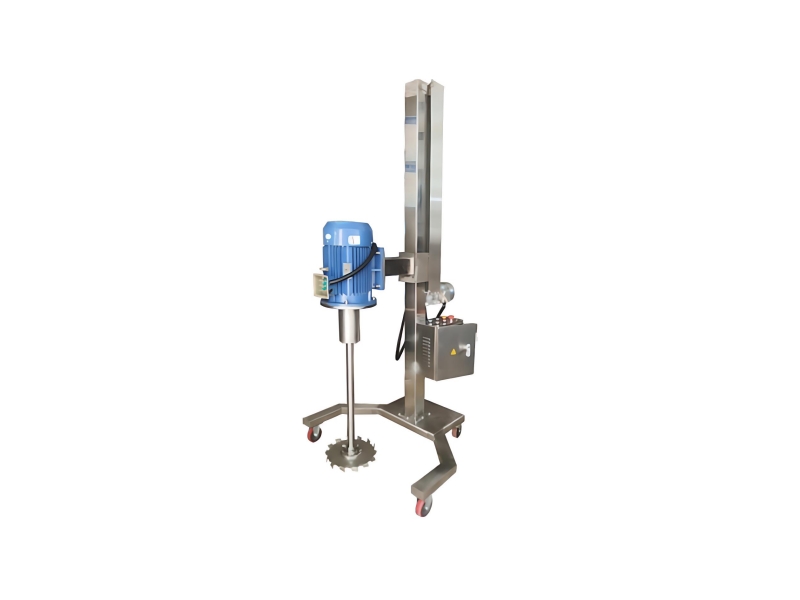
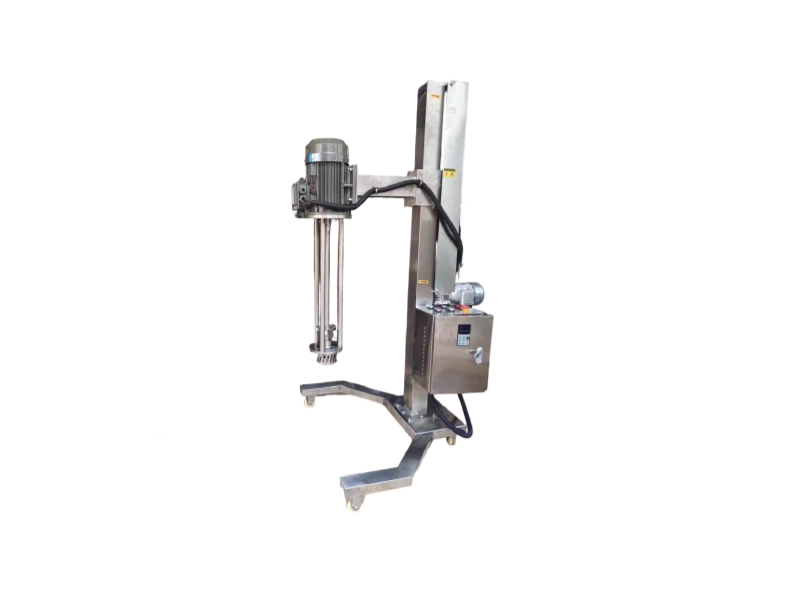
High Shear Dispersing Mixer: SLH series high shear mixer, the mixing head can be configured as a dispersion disc, a paddle-style agitator, or a frame-style agitator for pure aqueous phases and physical dispersion. Dispersing speeds typically range from 0 to 2,900 rpm.
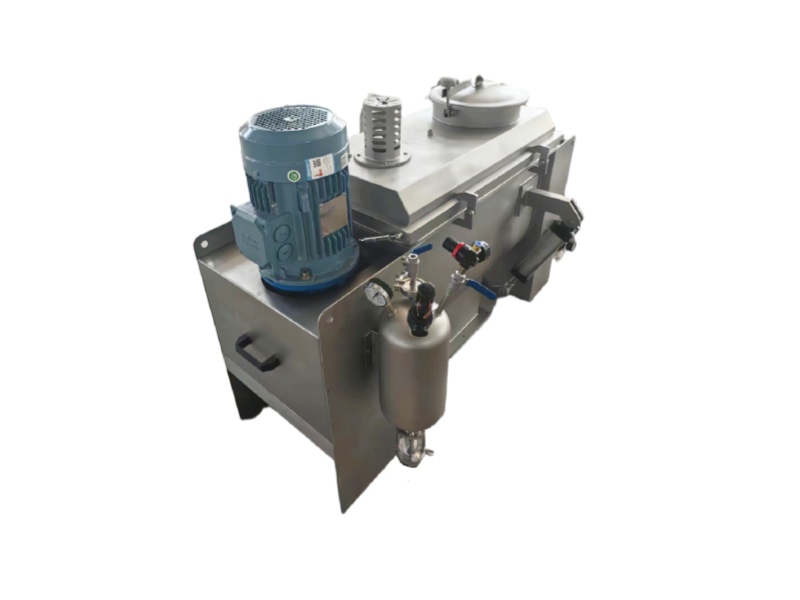
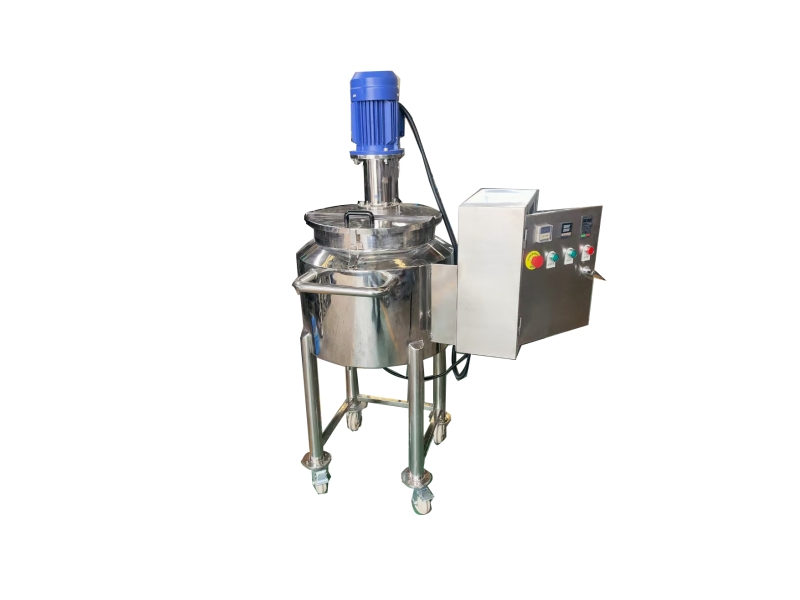
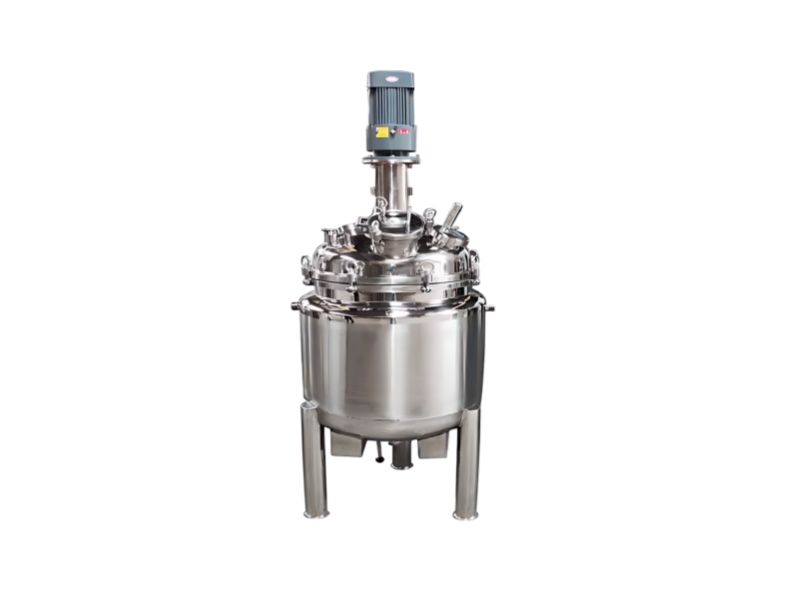
Mixing Tank: Our SLMT series mixing tanks are highly integrated units featuring internal mixing configurations that can be flexibly combined to suit specific powder-liquid mixing processes. Additionally, features such as jacketed heating/cooling and vacuum capabilities can be customized according to process requirements.
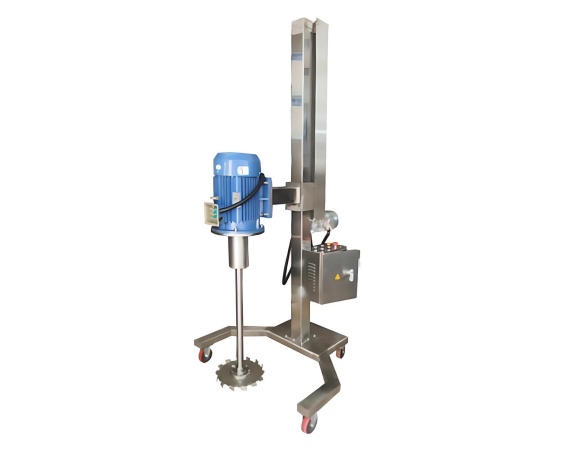
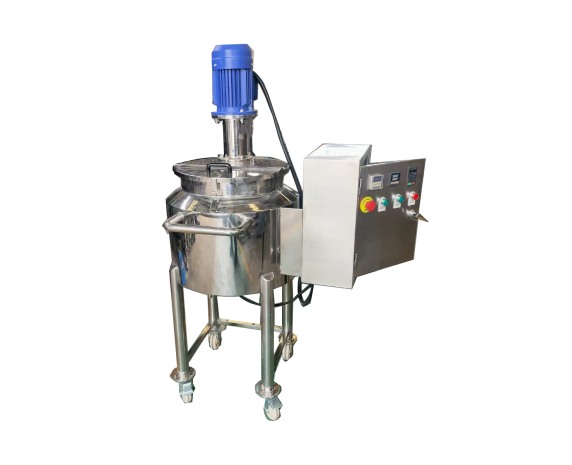
Confirmation of the final product: For this type of powder-liquid mixer, the final product is in fluid form.
Confirmation of material specifications: Powder-to-liquid ratio, as well as the viscosity and flow characteristics of the final fluid product.
Confirmation of production capacity requirements: Batch capacity or hourly mixing output requirements.
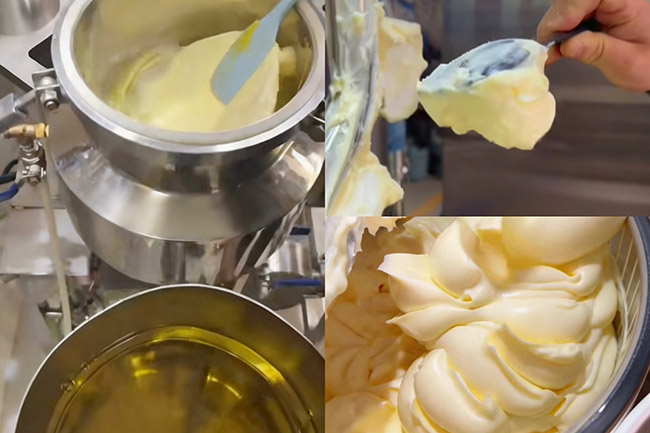
When the materials to be mixed consist of a low-to-moderate proportion of powder and a high proportion of liquid (comprising both aqueous and oil phases), emulsifying mixer is the ideal choice for powder-liquid mixing.
Core Challenge: Rapid mixing and emulsification of powder, aqueous phase, and oil phase, ensuring the water and oil do not separate.
Typical Applications: Oil-in-water food sauces, cosmetic creams, medical ointments, etc.
High Shear Homogenizer: SLH series high-shear homogenizer
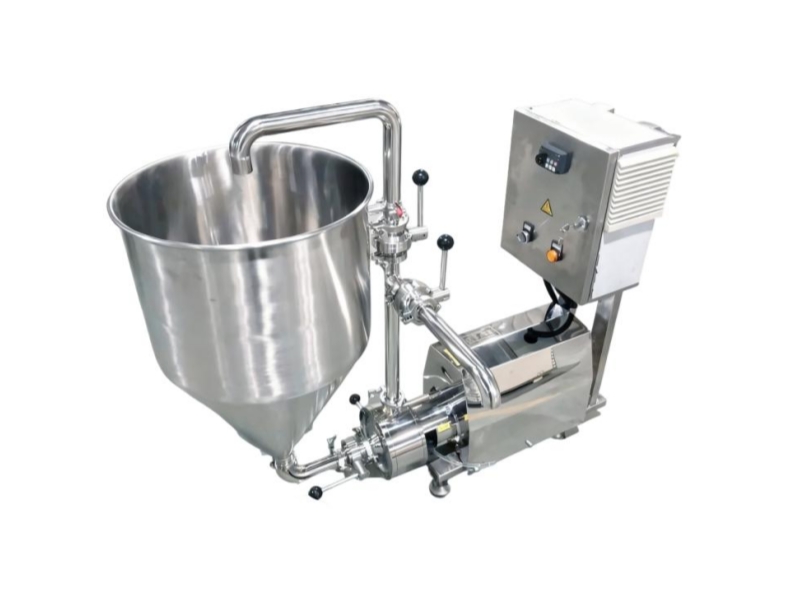
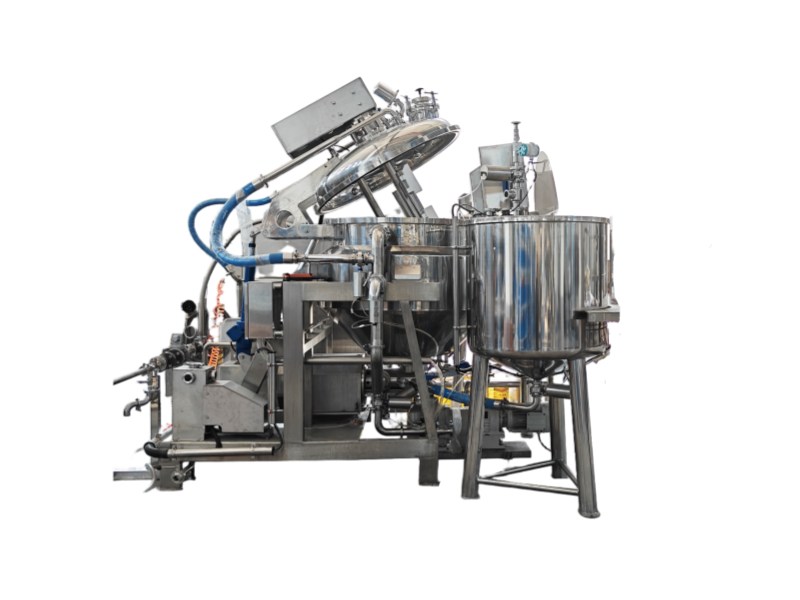
Inline Emulsifier Mixer: SLIM series inline emulsification pump (available with a hopper or a mixing tank)
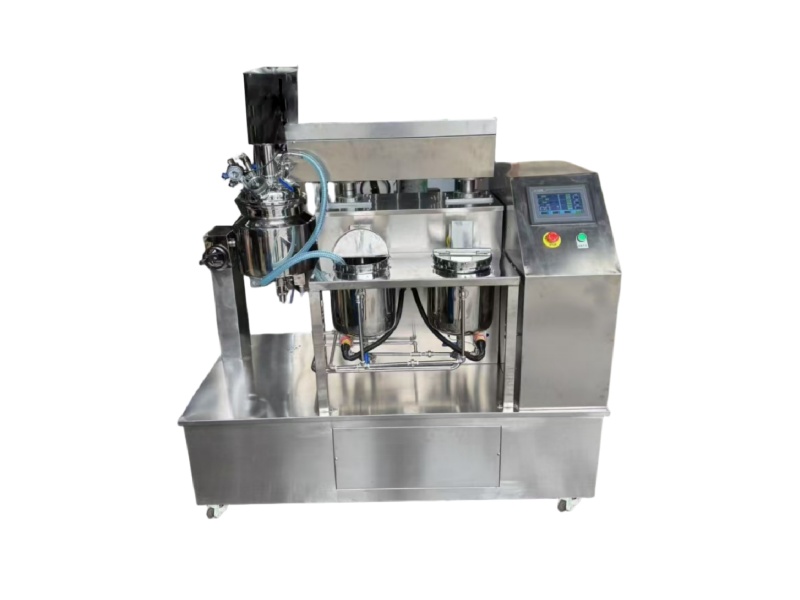
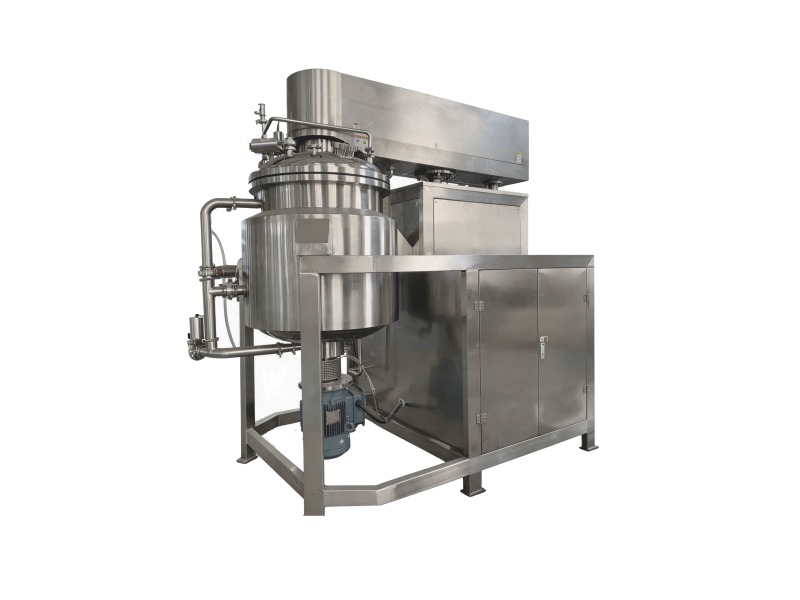
Vacuum homogenizing emulsifier: Our SLVH series (top-entry homogenization), SLHB series (bottom-entry homogenization), and SLFT series (integrated bottom-entry homogenization)
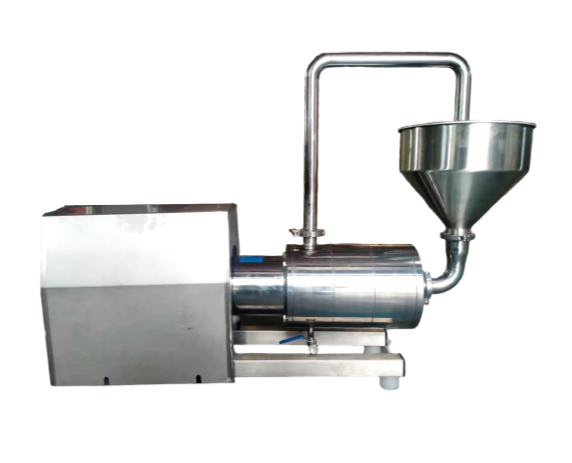
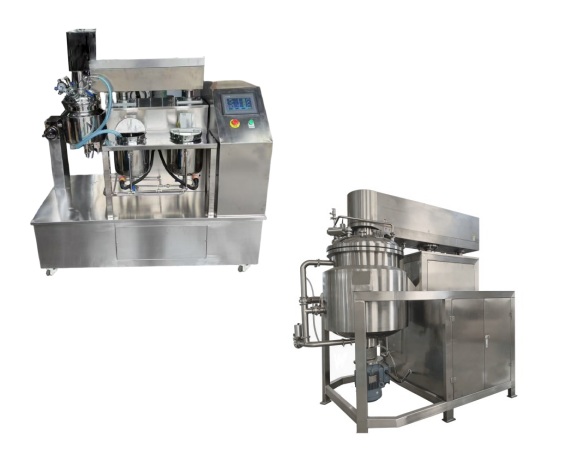
Final Product Specification: Emulsion, semi-fluid state.
Material Details: Oil content, target product viscosity.
Production Capacity: Batch size, hourly output requirements.
The above is an overview of various liquid powder mixers, which differ in terms of powder-liquid mixing scenarios, mixing capabilities, and the quality of the finished product. We have summarized eight key dimensions below to help you analyze and compare these types from different perspectives. We recommend selecting the equipment that best aligns with your specific materials and process requirements. Of course, you are welcome to contact Salinovate team directly for a tailored solution

Powder-to-liquid Ratio
For high powder ratios, use the first type of powder mixing equipment (e.g., SLR series).
Product Viscosity
For high viscosity, the SLFT series emulsifier is recommended.
Oil Content
For high oil content, the SLFT series is recommended; for low to medium oil content, other series of emulsifier mixers may be selected.
Finished Product State
For powder-based products, choose the first type; for water-powder mixtures, use the second type; for emulsions, choose the third.
Mixing Function
The first type is limited to mixing powders and small amounts of liquid; the second and third types can mix large volumes of liquid.
Emulsification Function
Only the emulsifying mixer offers emulsification capabilities.
Heating and Cooling Function
Typically, the first type (powder mixer) does not include these functions, whereas the mixing tank and emulsifying mixer do.
Machine Cost
The SLH series mixer is almost the cheapest, and the SLFT series is basically the most expensive one.
Provide you with the industry`s best solutions

Offer the pre-sales and after-sales technical support
Back to Top
We are devoted to the R&D, production and selling of the grinder machine, mixer machine and filling machine for the food factories. They work for the dry and wet food.
0086 150-5215-2936

 English
 French