


 English
 French
40Min Pineapple Jam Vacuum Cooking Test
By:Salinovate Team Jul 03,2026
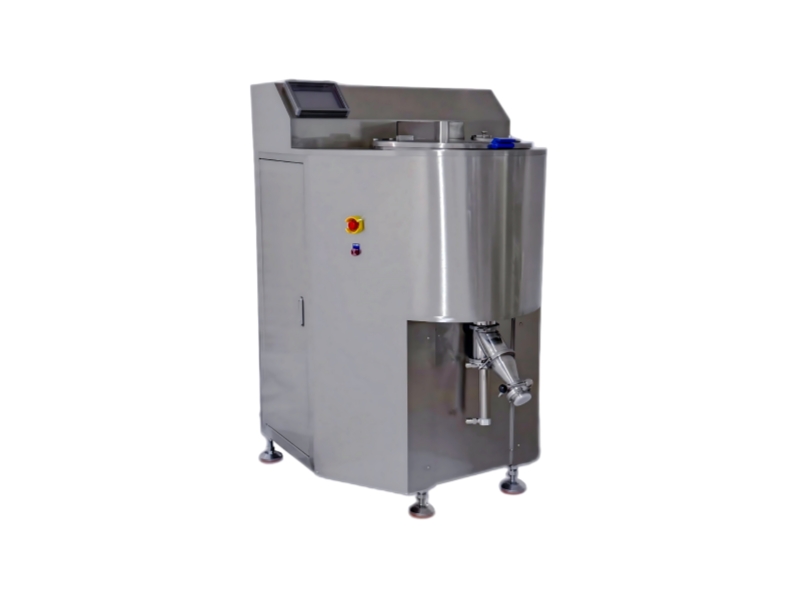
Our company's technical center conducted a pineapple jam cooking test using the SLCM-P series cutter type cooking mixer in recent days. A mixture of fresh pineapple, granulated sugar, and water was cooked using jacketed steam heating (up to 100°C) under continuous vacuum, yielding the finished jam in approximately 40 minutes. The test results indicated that pineapples have high water content and low natural pectin levels. Therefore, for industrial production, it is recommended to adjust the water ratio based on the specific fruit variety and incorporate gelling agents to achieve optimal viscosity.

I. Test Background
Fruit jam is a paste-like product made from fruit through processes such as washing, crushing, sugaring, concentrating, and sterilizing. Its quality is closely linked to the fruit's natural pectin content and moisture level, as well as the cooking process employed. Pineapples are a common raw material for jam production due to their rich aroma and pleasant sweet-and-sour flavor; however, their relatively low natural pectin content places specific demands on the cooking process.
Recently, our technical center conducted cooking tests for pineapple jam using the SLCM-P series testing machine. The objective was to verify the equipment's actual performance in jam production and to determine the optimal processing parameters for pineapple jam.
II. Test Equipment and Raw Materials
Item | Parameter |
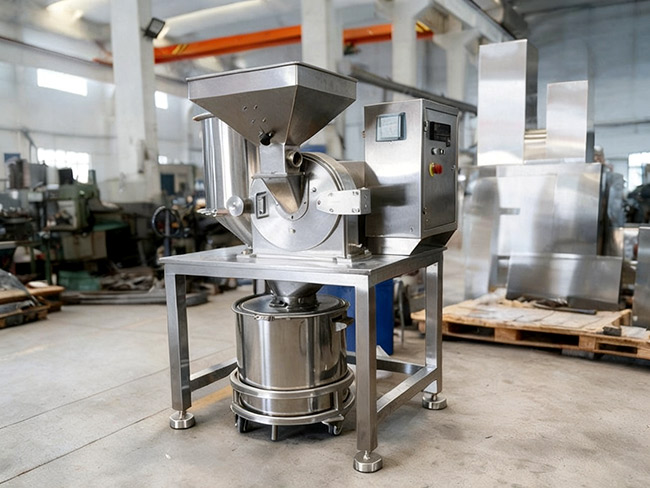
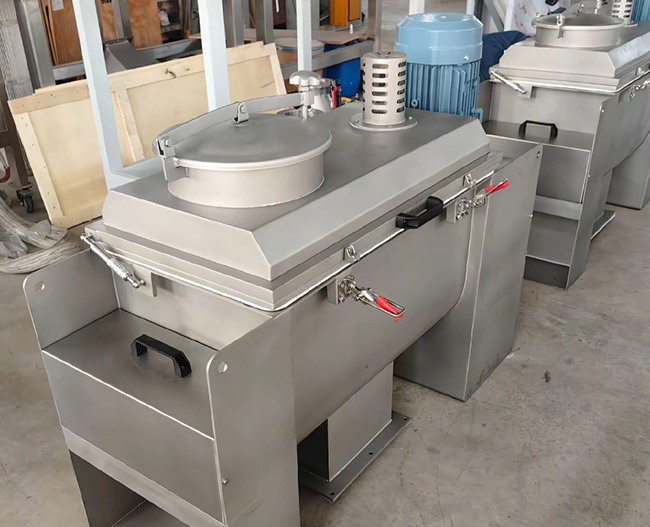
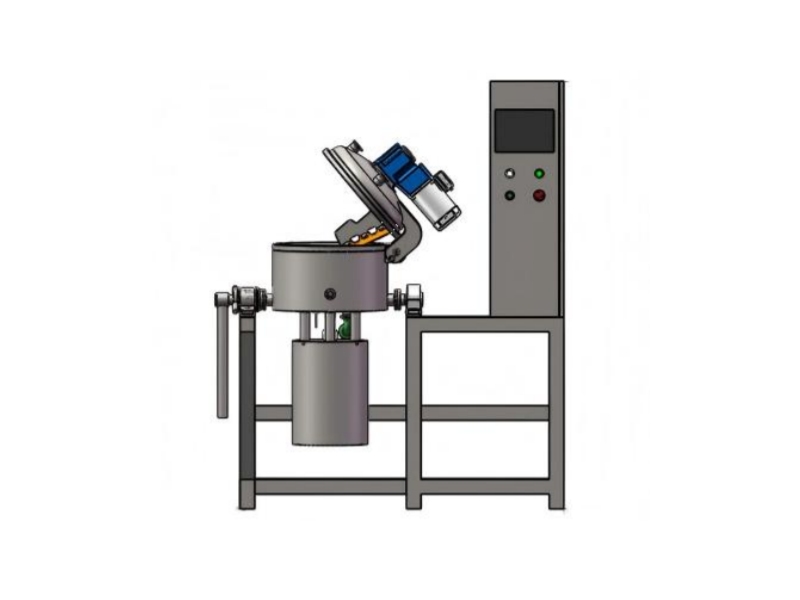
Equipment model | SLCM-P15 vacuum cutter mixer(Integrated chopping and cooking) |
Heating method | Dual-channel steam heating (direct injection into the pot + jacket heating); only jacket heating was activated for this test |
Vacuum system | Active after the initial cutting |
Raw materials for test use | 4kg fresh pineapple, 500g white granulated sugar, 1kg water |
Heating temperature | 100°C |
Total duration | Approximately 40 minutes |
III. Test Procedure
The pineapple jam cooking process generally follows the steps outlined below; please refer to the following description to understand the complete test procedure.
3.1 Ingredient Loading and Cutting
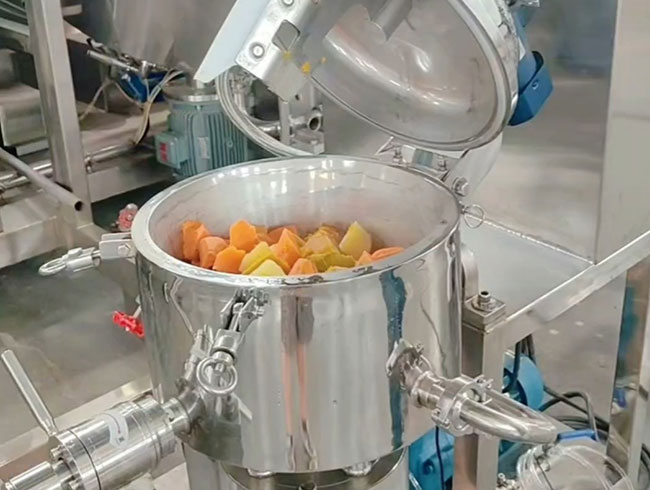
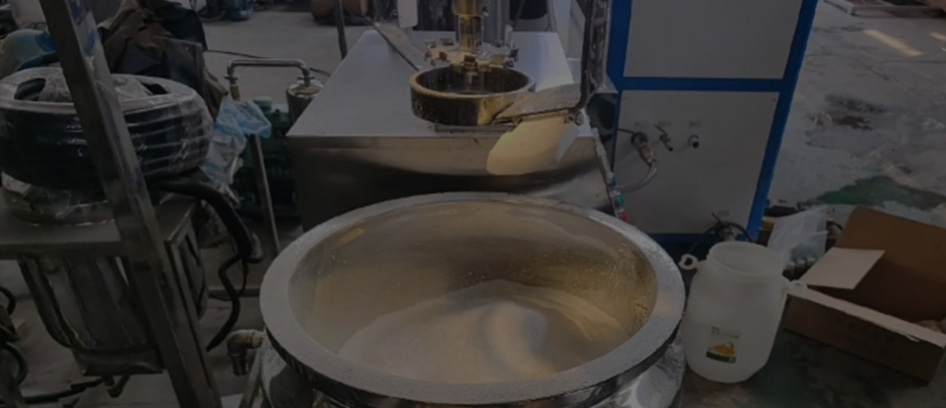
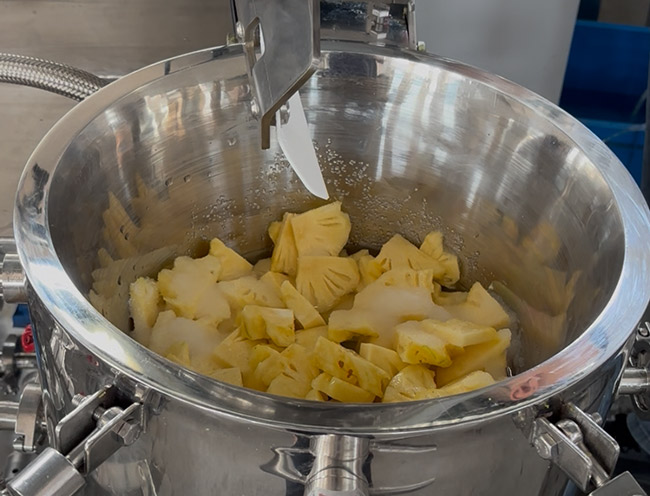
4 kg of pineapple, 500 g of white granulated sugar, and 1 kg of water were loaded into the SLCM-P cooking pot at one time. After powering the equipment, we started the cutting function to break the pineapple into paste, facilitating sugar penetration and moisture evaporation during the subsequent heating and cooking phase. The initial cutting speed was set at 1,500 rpm. It took only 2 minutes for this process, and you can see the cutting performance by watching the following video.
3.2 Heating and Cooking and Mixing
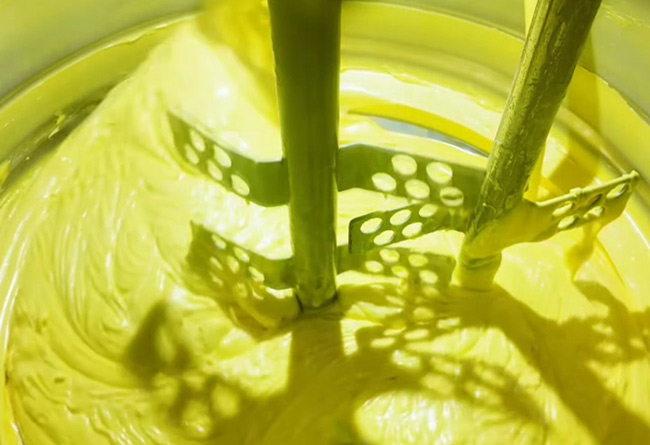
Once the cutting is completed, steam is introduced for heating and cooking. The equipment features a dual-channel steam heating system (direct steam injection into the vessel and jacket heating); for this test, only the jacket heating channel is utilized, with a maximum steam temperature of 100°C. Meanwhile, we started the top mounted scrapping mixing system (in case of localized overheating and scorching) and raised the bottom cutting speed to 3000 rpm (mix the three ingredients more uniformly, and the enhance the jam smoothness).
3.3 Vacuum-Assisted Concentration
The vacuum system remains active throughout the cooking process. Operating under a vacuum lowers the boiling point of water, allowing moisture within the product to evaporate rapidly at lower temperatures. Additionally, the vacuum environment helps to:
• Shorten cooking time and improve efficiency
• Reduce oxidative loss of heat-sensitive components (such as Vitamin C and aromatic compounds)
• Remove air bubbles, resulting in a smoother, glossier jam texture
3.4 Total Duration
The entire process from ingredient loading to product discharge takes approximately 40 minutes, covering cutting, cooking, and vacuum concentration.
IV. Test Results and Analysis
Our team has compiled the results and conducted an analysis and discussion regarding the entire pineapple jam cooking test. You can view the summary below.
4.1 Test Results
Test Item | Result |
Cutting effect | Pineapple rapidly get crushed into a pulp |
Heating | Uniform temperature with no scorching |
Maximum temperature | 100°C |
Vacuum cooking | Effective moisture evaporation; high concentration efficiency |
Total processing time | Approx. 40 minutes |
Finished product state (check the final jam state in the video below) | Jam-like texture, though viscosity could be improved |
4.2 Findings Regarding Viscosity
Testing revealed that pineapples have a high water content; when the recipe includes added water, the viscosity of the finished jam is suboptimal. This is primarily due to the low natural pectin content of pineapples.
Fruit | Natural Pectin Content | Viscosity After Cooking |
Pineapple | Low | Require gelling agents to assist thickening |
Blueberry | High | Good natural viscosity |
Apple | Medium | Moderate |
Recommendations for Industrial Production:
1)Control added water: Since pineapples already have a high water content, the proportion of water in the recipe can be reduced during commercial production based on actual conditions.
2)Add gelling agents: Incorporating food-grade gums such as pectin, xanthan gum, or CMC is recommended to improve the jam's viscosity and spreadability.
3)Adjust recipes based on fruit variety: Pectin content varies significantly among different fruits; the characteristics of each raw material must be taken into account when producing mixed-fruit jams.
V. Conclusion
This pineapple jam cooking test has demonstrated the reliable performance of the SLCM-P series vacuum cutting mixer with heating function in jam production. The test also revealed how the characteristics of the raw pineapple affect the viscosity of the finished product, providing valuable process insights for industrial production: adjusting the ratio of water and the dosage of gelling additives based on the fruit variety is key to achieving the desired jam texture.
If you have a need for jam cooking mixer or are interested in this tested equipment, please feel free to contact Salinovate Team.