


 English
 French
New Grinder Feeding Hopper Design with Magnetic Bar for Spice & Grain Processing
By:Salinovate Team Nov 03,2026
Metal contamination is an often-overlooked concern when processing spices, grains, and other agricultural raw materials. Small metal fragments may enter raw materials during harvesting, transportation, storage, or handling. If they pass directly into a grinding chamber, they may contaminate the finished powder or potentially damage grinding components.
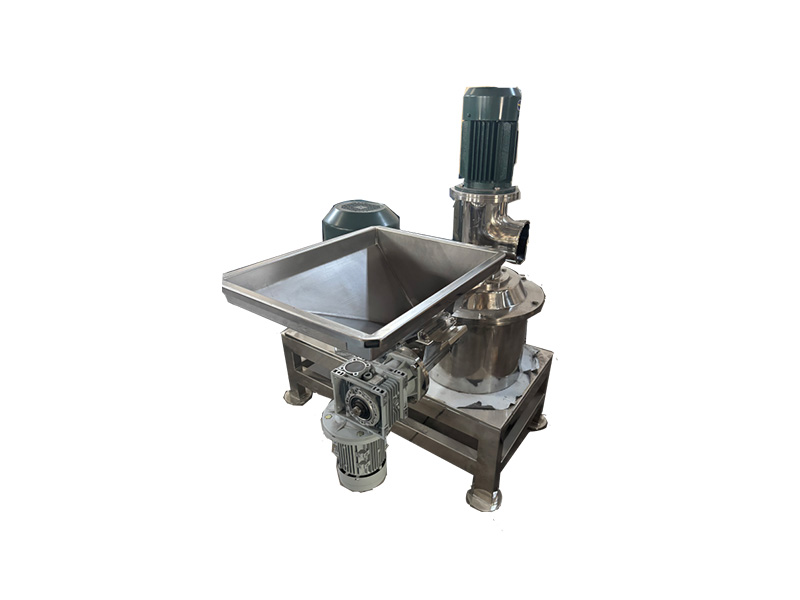
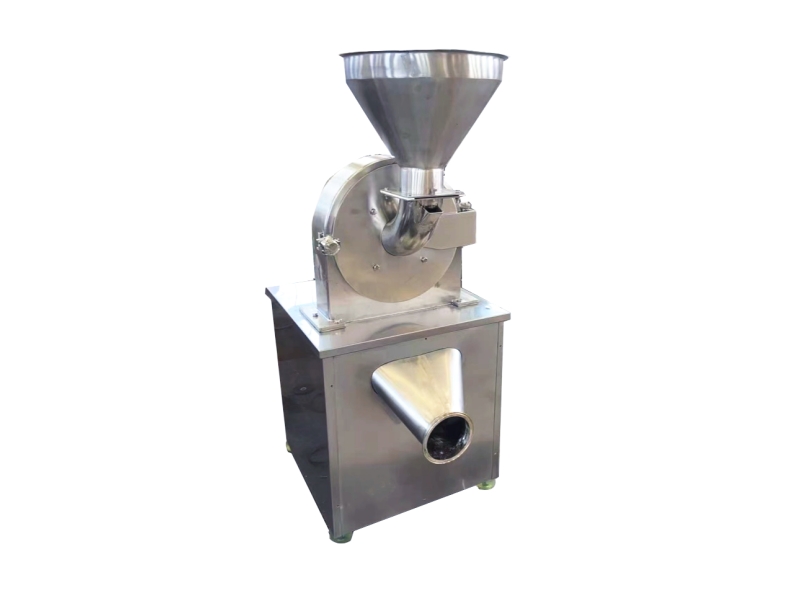
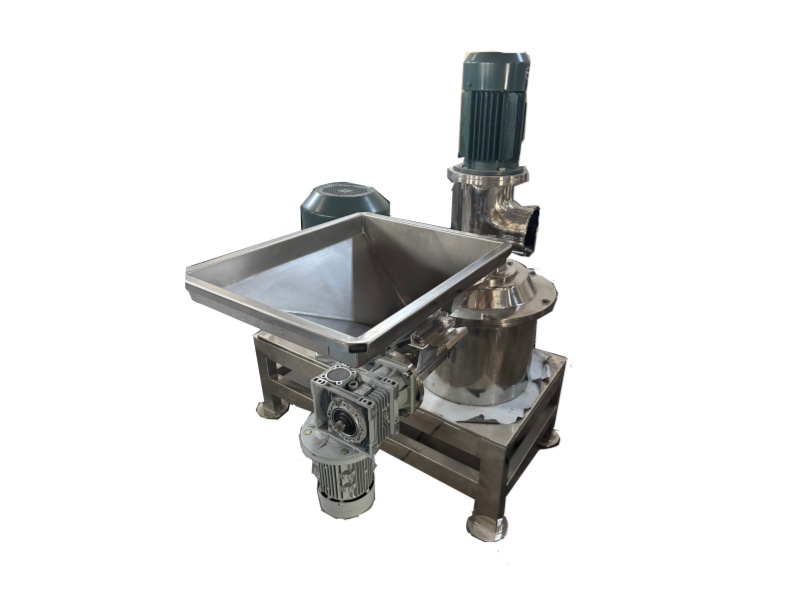
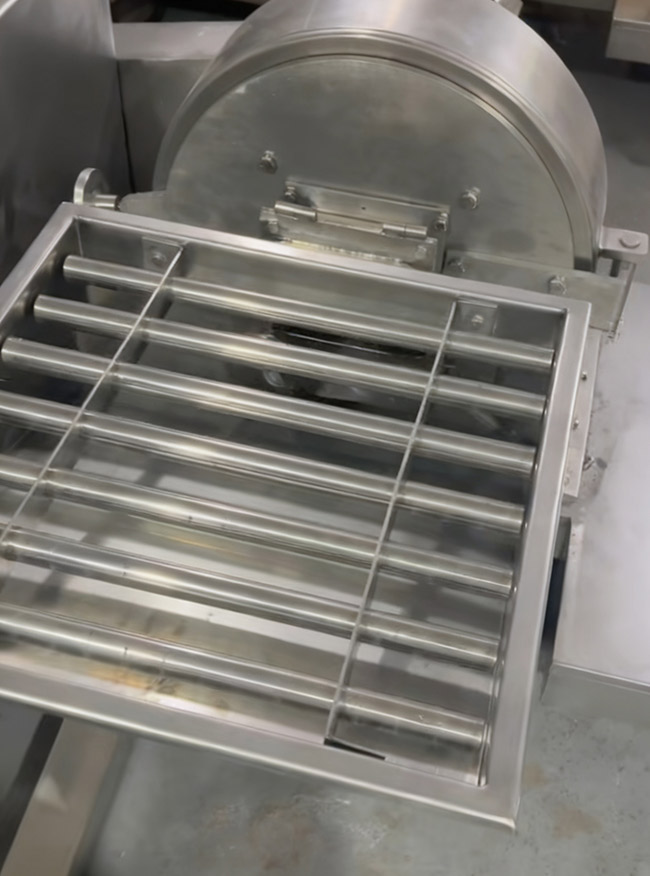
To provide an additional layer of protection before powder grinding, we have introduced a new grinder feeding hopper design with an integrated magnetic bar assembly. The magnetic bar is installed at the material feeding inlet. As raw materials pass through the hopper, small ferrous metal particles can be attracted to and retained on the magnetic surface before entering the grinding chamber. This design is particularly suitable for applications involving spices, grains, and similar dry materials that may contain a small amount of magnetic metal contamination. Rather than adding a separate magnetic separation machine to the production line, this design integrates a basic magnetic interception function directly into the grinder’s feeding structure.

I. Why Add Magnetic Protection to a Grinder Feeding Hopper
The quality of finished powder depends not only on the grinding process but also on the condition of the raw materials entering the machine.
In food processing, foreign materials can originate from several stages before the grinding operation. For example, agricultural raw materials may pick up metal fragments during harvesting, transportation, or storage. Metal contamination can also result from loose fasteners, worn components, or other equipment-related issues.
For spice and grain processing, these risks deserve attention because the raw materials are often fed directly into the grinding chamber.
A small metal fragment entering the grinder may:
• Become mixed with the finished powder.
• Cause abnormal wear or damage to grinding components.
• Increase the risk of unexpected sparks or mechanical problems under certain operating conditions.
• Create additional quality-control concerns for downstream processing.
The Codex General Principles of Food Hygiene identify metal fragments and other foreign materials as potential physical contaminants. They recommend appropriate prevention strategies, equipment maintenance, inspection, and detection or screening devices where necessary.[1]
The key point is that foreign-material control should begin before raw materials enter the main processing equipment.
II. How Does the Integrated Magnetic Bar Work
The new design places a magnetic bar assembly inside the grinder feeding hopper, creating a magnetic interception point before the material reaches the grinding chamber. During normal operation, spices, grains, or other raw materials pass through the feeding hopper. When small ferrous metal particles move close to the magnetic bar, the magnetic force attracts them to its surface. The captured particles remain attached to the magnetic bar instead of continuing directly into the grinding chamber.
The working principle can be summarized as follows: raw material feeding → magnetic interception → grinding chamber → powder discharge. This arrangement uses the existing feeding stage to provide an additional opportunity for removing magnetic contaminants.
The magnetic bar is especially useful for capturing small iron and steel particles that come into close contact with its magnetic field. The actual separation performance depends on factors such as the magnetic strength, particle size, material flow, contamination level, and distance between the metal particles and the magnetic surface.
Unlike a standalone magnetic separator installed elsewhere in a production line, this design integrates the magnetic element into the grinder itself, keeping the overall equipment arrangement relatively simple.
III. What Types of Materials Can Benefit from This Design
The integrated magnetic bar is mainly intended for dry raw materials that may contain a small amount of ferrous metal contamination. Typical applications include:
Spice Grinding
Spices such as chili, cumin, pepper, coriander, and other dried seasoning materials are often sourced from agricultural supply chains involving harvesting, drying, transportation, and storage. Although raw materials should undergo appropriate cleaning and inspection before processing, occasional small metal fragments may still be present.
Installing a magnetic bar at the grinder inlet provides an additional opportunity to capture magnetic particles before the spices enter the grinding chamber.
Grain Grinding
Grains and cereal materials may also encounter metal contamination during harvesting, handling, or transportation. For applications such as rice flour, corn flour, and other grain-based powders, the integrated magnetic bar can serve as an additional protective measure at the feeding stage.
Other Dry Food Ingredients
The design may also be considered for selected dry food ingredients, including certain plant-based materials and food-processing powders, provided that their flow characteristics are compatible with the hopper and magnetic bar arrangement.
However, this design is not intended to replace raw-material cleaning or a complete foreign-material control system. Its main application is to provide supplementary protection when the expected ferrous contamination level is relatively low.
IV. What Are the Advantages of Integrating a Magnetic Bar into the Grinder
The main advantage of this design is that magnetic interception is incorporated into an existing equipment component rather than requiring an additional independent machine.
4.1 Additional Protection Before Grinding
The magnetic bar is positioned at the feeding stage, upstream of the grinding chamber. This allows certain ferrous particles to be captured before they enter the grinding area, helping reduce the risk of metal contamination and protecting grinding components from some foreign metal objects.
4.2 No Separate Magnetic Separator Required for Basic Applications
For customers processing relatively clean raw materials with only occasional small ferrous contaminants, installing a standalone magnetic separator may not always be necessary. The integrated design offers a simpler alternative for applications where basic magnetic interception is considered sufficient as an additional precaution. It can help reduce equipment footprint and avoid adding another independent processing unit.
4.3 A Practical Design for Existing Grinding Processes
The magnetic bar is incorporated into the grinder feeding hopper. The basic process remains unchanged: operators feed the raw material through the hopper, and the material continues into the grinding chamber after passing the magnetic interception area. This makes the design relatively straightforward to incorporate into selected grinder configurations.
4.4 Easier Inspection and Routine Cleaning
The magnetic bar should be checked and cleaned regularly because captured metal particles gradually accumulate on its surface. A practical cleaning routine helps prevent collected contaminants from being released back into the material flow and allows operators to monitor the type and quantity of metal being captured. The frequency of cleaning should depend on the raw material condition and production volume.
V. Important Limitations: A Magnetic Bar Is Not a Complete Metal Detection System
Although an integrated magnetic bar provides an additional opportunity to remove metal contaminants, it is important to understand what it can and cannot do. A magnetic bar primarily captures ferromagnetic materials. It cannot reliably remove every type of metal contamination. For example:
Contaminant Type | Magnetic Bar Performance |
Iron particles | Can be attracted and captured |
Carbon steel fragments | Can be attracted and captured |
Certain magnetic stainless steels | May be attracted, depending on their magnetic properties |
Aluminum | Cannot be captured by a conventional magnetic bar |
Copper | Cannot be captured by a conventional magnetic bar |
Brass | Cannot be captured by a conventional magnetic bar |
Many non-magnetic stainless steels | Cannot be reliably captured |
Another important consideration is the quantity and physical condition of the contamination. This design is intended for raw materials that may contain a small amount of ferrous metal particles. If the incoming material has significant metal contamination, a magnetic bar installed inside the feeding hopper should not be considered sufficient. In such cases, customers should consider more comprehensive raw-material cleaning and magnetic separation solutions.
For food factories with strict foreign-material control requirements, a downstream metal detector or X-ray inspection system may also be necessary, depending on the hazard analysis and product specifications. Research on foreign-material detection in food processing also emphasizes that magnets, sieves, metal detectors, X-ray systems, and inspection procedures serve different purposes. No single method can address every type of foreign material.[2]
Therefore, the integrated magnetic bar should be understood as an additional magnetic protection measure, not a replacement for a complete food safety control program.
VI. Installation and Maintenance: What Should Operators Pay Attention To
The effectiveness of a magnetic bar depends not only on its magnetic strength but also on its installation position, material flow, and maintenance condition. For this reason, several practical points should be considered during operation.
First, the magnetic bar should be positioned where the incoming material can pass sufficiently close to its magnetic surface. If the material falls through the hopper too quickly or bypasses the magnetic area, some contaminants may not be captured. The actual arrangement should therefore be designed around the hopper geometry and material flow.
Second, accumulated metal particles should be removed regularly. Operators should inspect the magnetic bar at appropriate intervals and clean it according to the production schedule. The collected metal should be handled carefully to avoid falling back into the raw material or finished product.
Third, the magnetic assembly should be inspected periodically. The magnet should be checked for physical damage, corrosion, loose components, and changes in magnetic performance where applicable. The inspection frequency should be determined by the manufacturer’s maintenance recommendations and the factory’s food safety procedures.
Finally, operators should investigate repeated or unusual metal findings. If the magnetic bar repeatedly collects a large amount of metal, this may indicate a problem with the incoming raw materials, transportation containers, or upstream equipment. Simply cleaning the magnet without investigating the source may leave the underlying contamination risk unresolved.
VII. A Simple Design Improvement for More Considered Grinding Equipment Selection
Not every powder grinding application requires a complete magnetic separation system. However, for spice, grain, and other dry food-processing applications where occasional small ferrous contaminants may be present, adding magnetic protection at the powder grinder feeding inlet can be a practical improvement.
The new feeding hopper design brings together two functions:
• Material feeding: guiding raw materials into the grinding chamber.
• Magnetic interception: capturing certain ferrous contaminants before they enter the grinding area.
This is a relatively simple design change, but it addresses a practical issue that can be overlooked when selecting a powder grinding machine.
At Salinovate, we consider raw-material characteristics, processing requirements, equipment configuration, and production conditions when designing grinding solutions. The integrated magnetic bar is one optional design feature that can be considered for suitable applications. If your raw materials are spices, grains, or other dry ingredients that may contain a small amount of ferrous metal contamination, contact our engineering team to discuss whether this magnetic-bar feeding hopper is suitable for your grinder.
The right grinding solution should not only achieve the required powder fineness and production capacity. It should also consider what enters the machine before grinding begins.
References:
[1] Province of Manitoba — Magnetic Separators in Food Processing
[2] Detection and prevention of foreign material in food: A review
[3] Codex Alimentarius — General Principles of Food Hygiene (CXC 1-1969)
[4] U.S. FDA — Good Manufacturing Practices for the 21st Century for Food Processing
[5] Eriez — Grate Magnets for Tramp Metal Removal