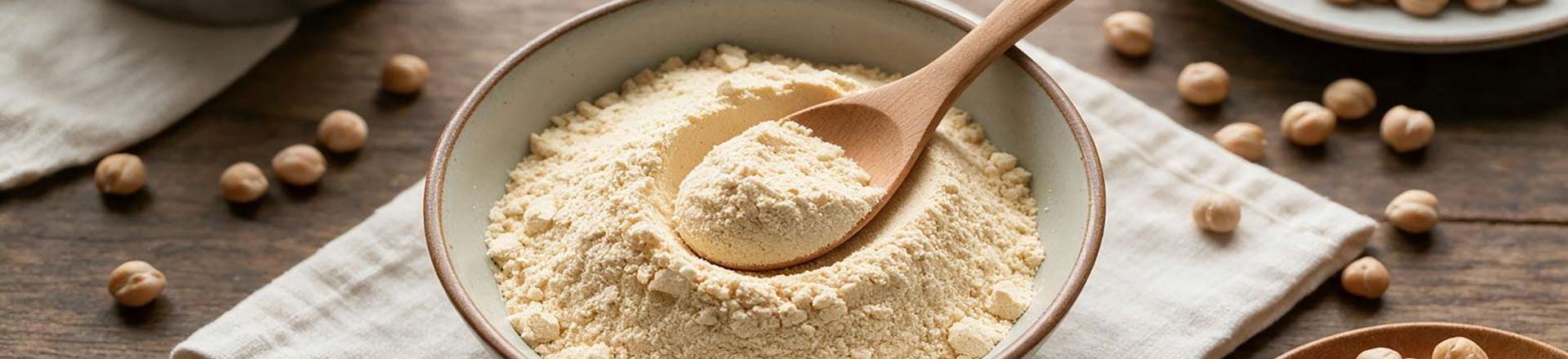
Grind the dried chickpeas or dried chickpea splits into powder, then you can get besan flour (chickpea flour/gram flour). Industrial flour production usually does not require one single type of grinding machine. Different food manufacturers may process different forms of dried chickpeas, operate at different production capacities and require different levels of flour fineness. A small food factory may need a cost-effective grinder for moderate-fine besan, while a larger producer may require a continuous grinding system with tighter particle-size control. For this reason, we offer several besan flour mill options across different grinding technologies and model sizes.
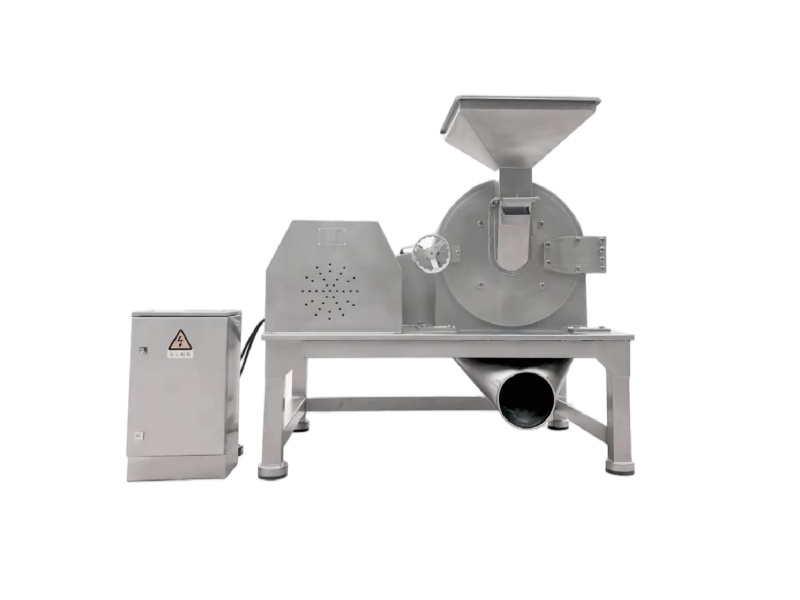
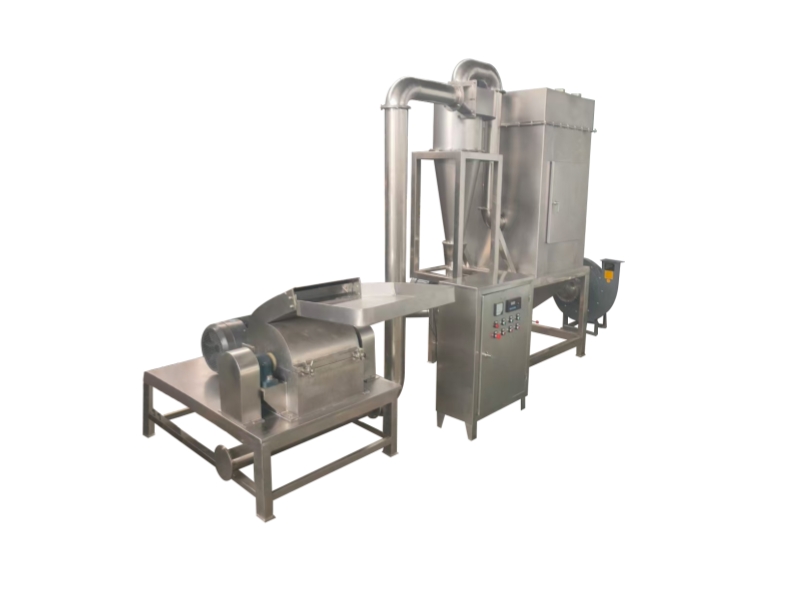
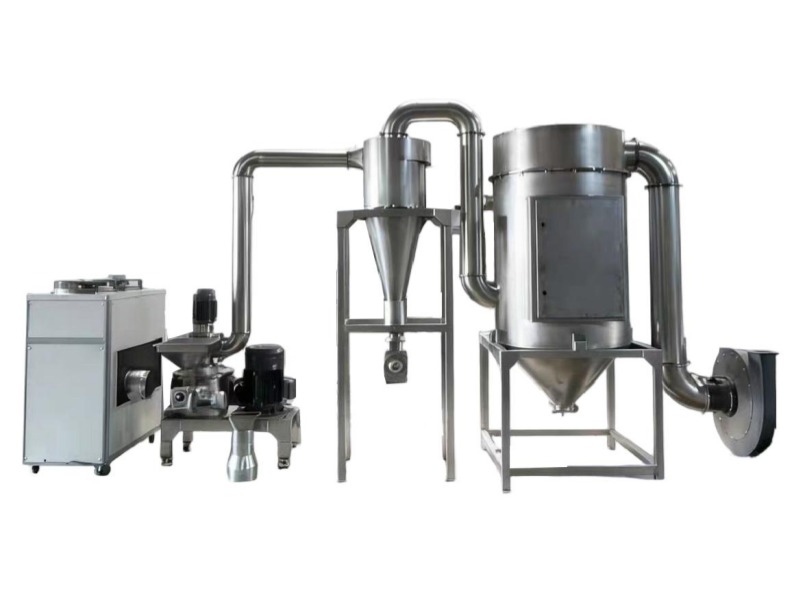
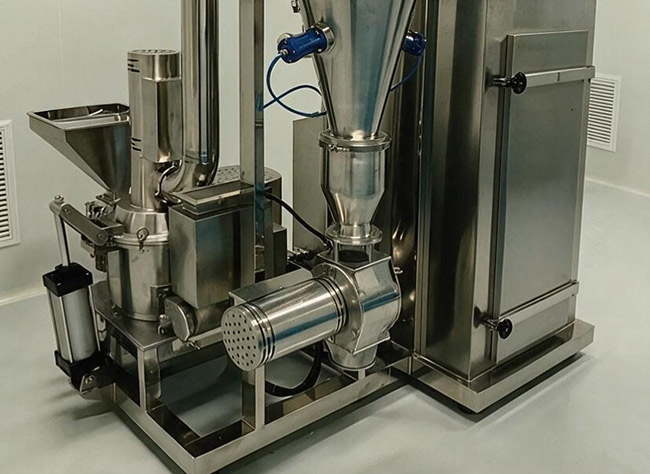
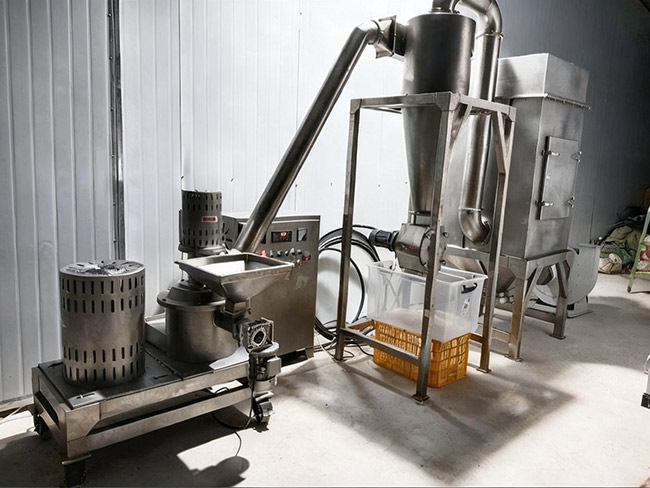
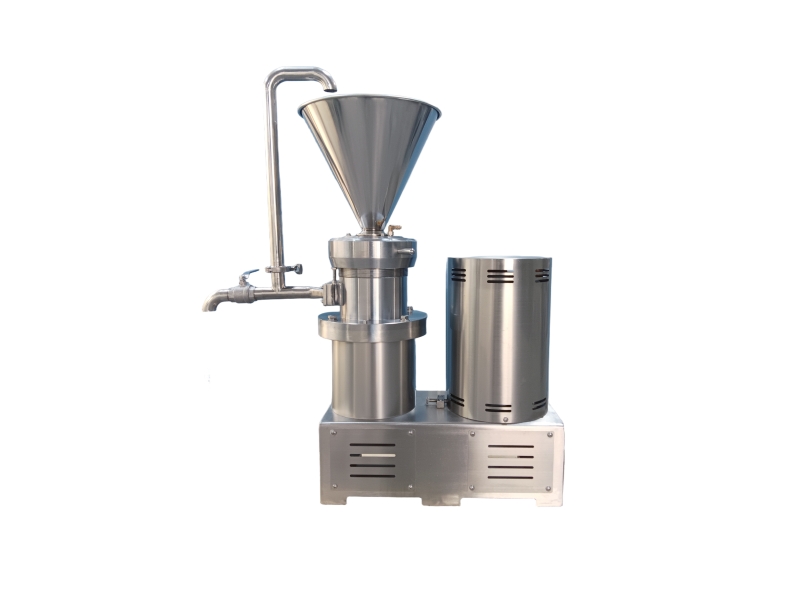
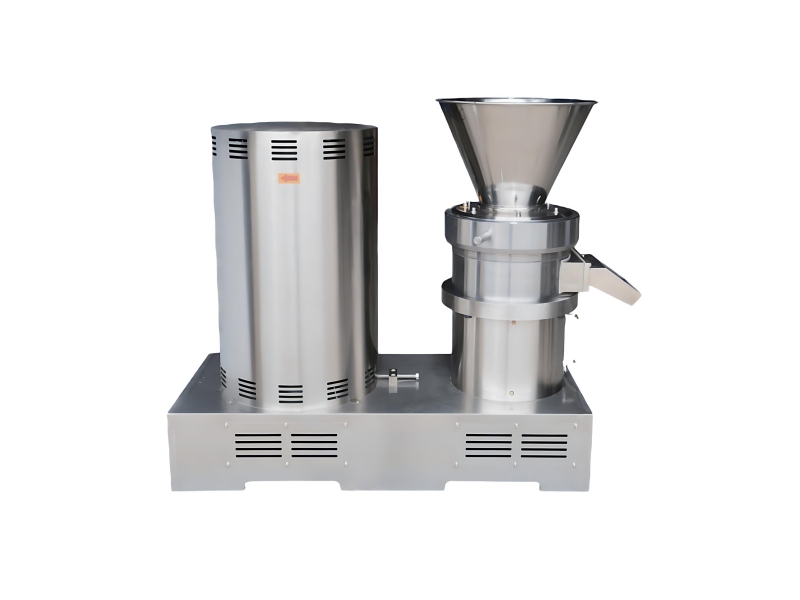
Salinovate team generally recommend three practical equipment families for besan flour production, which are our SLU series universal powder grinder, SL series hammer mill and SLA series air classifier mill. These three options cover different combinations of capacity, fineness, particle-size distribution, equipment complexity and investment level.
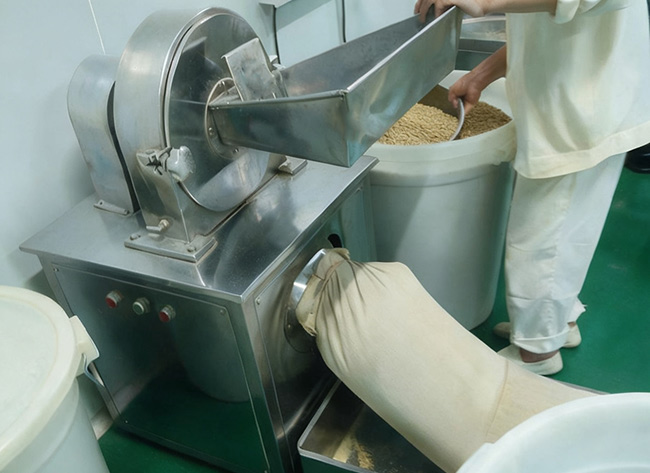
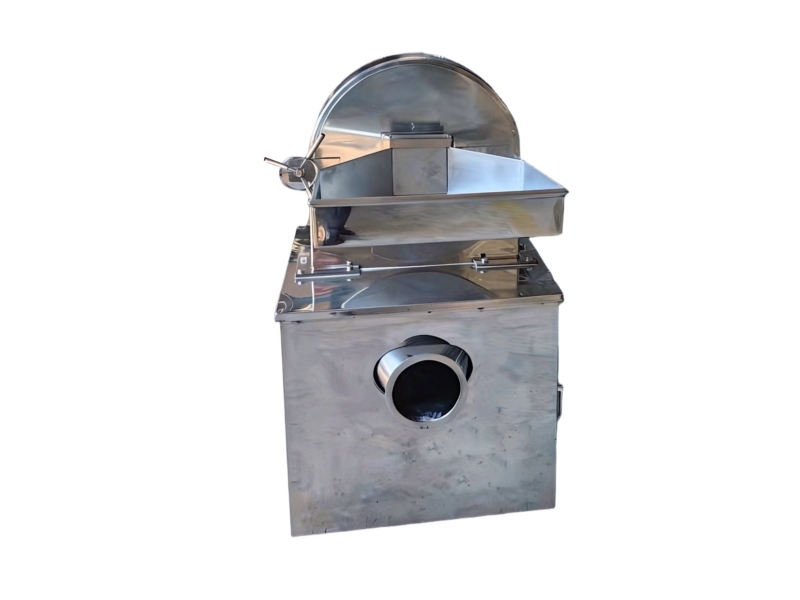
The SLU series universal grinder is one of the flexible options for customers who need a relatively simple and economical solution for dried chickpea grinding. For the pursuit of fine powder, it can work together with the sifting machine.
Besan flour size: About 40-120 mesh, with broad particle size distribution.
Grinding capacity: About 10kg/h to 2000kg/h, different models in supply.
Best for: Cost-conscious small to medium besan flour production with moderate-fine flour requirements.
Flexible grinding configuration: Disc-type or beating hammer-type cutter designs are both suitable for besan flour.
Screen-based fineness adjustment: The approximate 40-120 mesh range is primarily controlled through screen selection.
Dust control: For this type, small model is the standalone unit, but we can add the dust design. For medium and large models, there are separate cyclone and dust collecting systems.
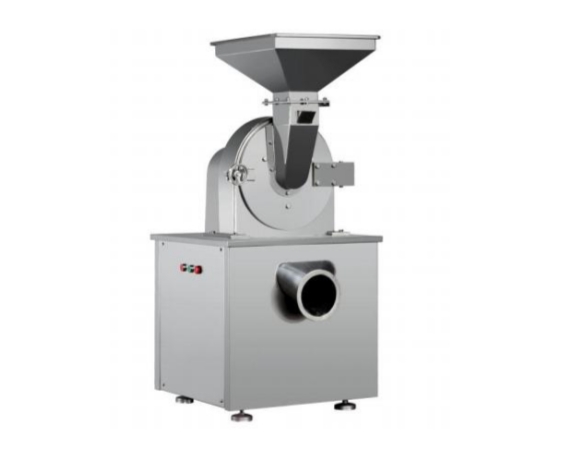
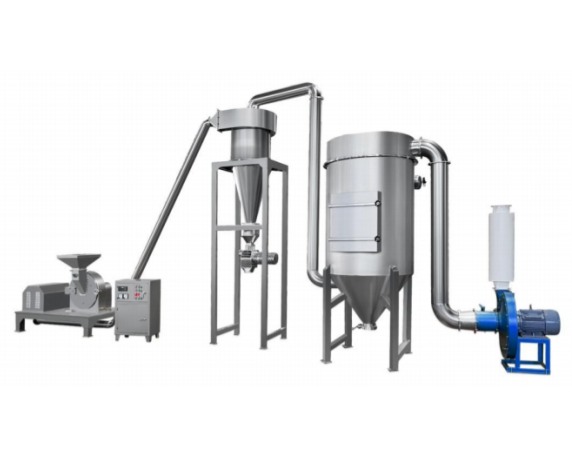
Relatively moderate investment: The SLU series generally provides a lower to medium investment level, making it attractive to cost-sensitive customers.
Suitability: start-up besan production, cost-sensitive projects, and moderate production capacity.
Compared with the universal grinder, this machine is designed around a dedicated fixed hammer-type cutter configuration. The grinding fineness is medium to fine level, a downstream sifting machine can be added if you require a more uniform fine fraction.
Besan flour size: About 40-100 mesh, with broad particle size distribution.
Grinding capacity: About 70-2000kg/h, different models in supply.
Best for: Medium and large scale besan flour production requiring relatively fast grinding.
Grinding principle: The rotating hammers generate repeated impact against the dried chickpeas, rapidly reducing the particle size.
Relatively fast grinding action: Compared with SLU and SLA series with same motor powers, the grinding speed of SL series is higher.
Sieve control fineness: The besan flour fineness is primarily controlled through screen selection, the range is about 40-100mesh.
Dust control: Separate cyclone and dust collector is standard configuration.
e besan flour production, production where some variation in particle size is acceptable, etc.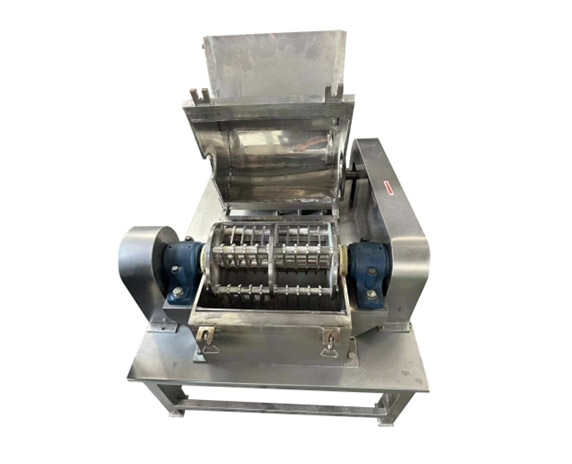
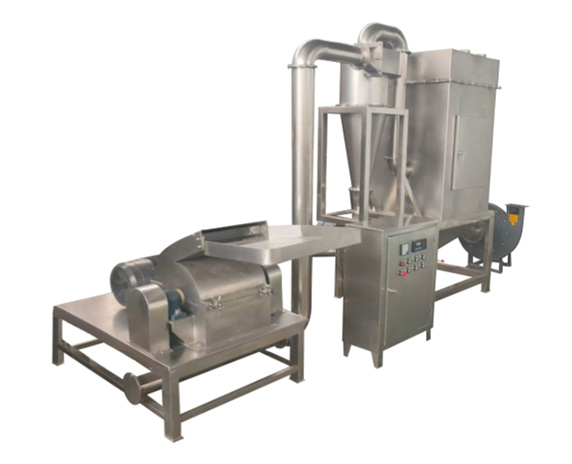
Medium investment level: The SL series generally sits between a small universal grinder and a more sophisticated air-classifier grinding system in terms of investment and system complexity.
Suitability: Medium-size food factories, large besan flour production, production where some variation in particle size is acceptable, etc.
The third option is the SLA Series air classifier mill, designed for customers with substantially higher fineness requirements. Usually, no need of the sieving work by sifting machine, the SLA fine powder itself can bring fine quality powder.
Besan flour size: About 80-300 mesh, with narrow particle size distribution.
Grinding capacity: About 70-2000kg/h, different models in supply.
Best for: Fine besan flour requiring tighter particle-size control.
Fineness Control Design: No screen design, the output powder size is controlled by adjusting the air classifying speed. The classifier separates particles according to size-related aerodynamic behavior, allowing oversized material to return for additional grinding.
Finished powder quality: more controlled and concentrated particle-size distribution in a fine level.
Dust control: Separate cyclone and dust collector is standard configuration.
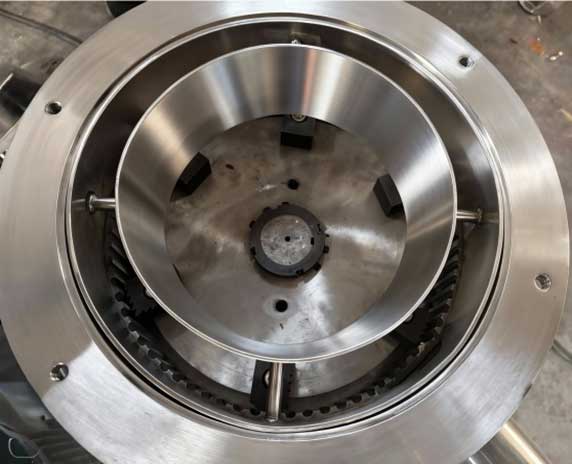
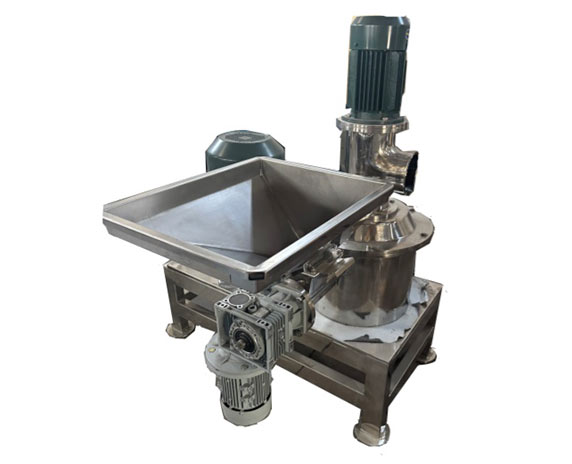
Higher equipment and system investment: The classifier, airflow system and associated collection components make the SLA more sophisticated than a conventional screen-based grinder. The cost is higher than the previous two types.
Suitability: Fine or ultra-fine besan production, large food factories with the pursuit for fine powder, customers with high purchase budget, etc.
Above we have introduced the three besan flour mill options, you can see each with different grinding characteristics, investment cost and application scenarios. So which flour mill is the good option for you to make the besan flour? To help you choose the right model more quickly, we have summarized the following eight points for your reference. Of course, you are welcome to contact Salinovate Team directly for the solution recommendation.

Chickpea Type
Whole chickpea vs. dehulled chickpea vs. dehulled and split chickpeas. For peas with hull, there will be fibers hard to grind into fine powder for sieve control grinder machines.
Output Flour Size
What output size is your production need, for example, 40-80mesh, 80-100mesh, and 100-200mesh, etc?Raw Material Type: For low to medium oil content, consider universal grinders and hammer mills; for high fiber content, consider hammer mills and ACM mills.
Particle-Size Distribution
Two flour products may both be described as 100mesh but their particle-size distributions can still be different. SLA series is the right option for the narrow powder distribution.
Grinding Capacity
How many chickpeas you need to grind per hour? For example, 50-60kg/h, 100-200kg/h, and 500-600kg/h, etc.
Dust Control
Do you have a sanitary requirement for a clean food processing room? If yes, dust control is a must.
Production Room Size
For small grinder, usually the production room is enough. For medium to large scale size grinders, we need to check with you the room size in length, width and height.
Machine Control
All the grinders adopt button control for standard units. If you need PLC control, please tell us in advance.
Purchase Budget
What is your investment cost for the besan flour mill? For example, the investment cost is controlled in USD9,000, USD20,000, and USD60,000, etc.
Provide you with the industry`s best solutions

Offer the pre-sales and after-sales technical support
Back to Top
We are devoted to the R&D, production and selling of the grinder machine, mixer machine and filling machine for the food factories. They work for the dry and wet food.
0086 150-5215-2936

 English
 French