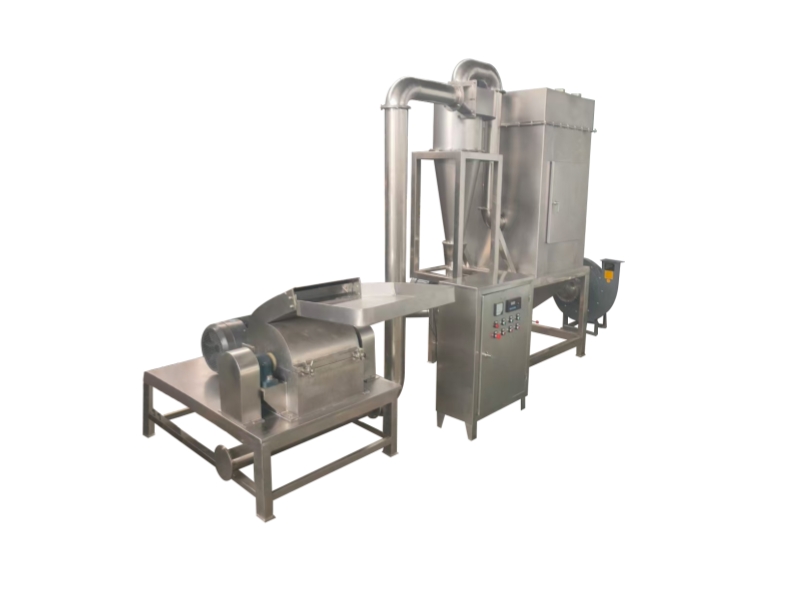



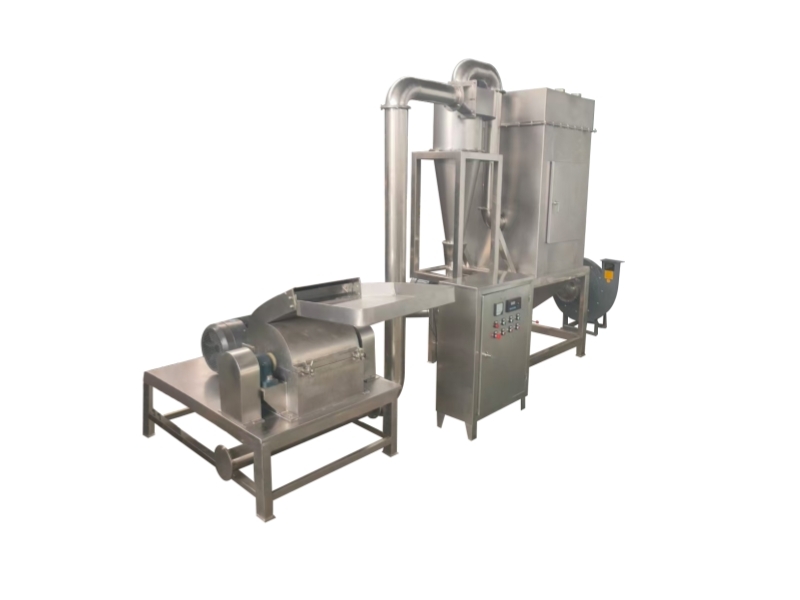
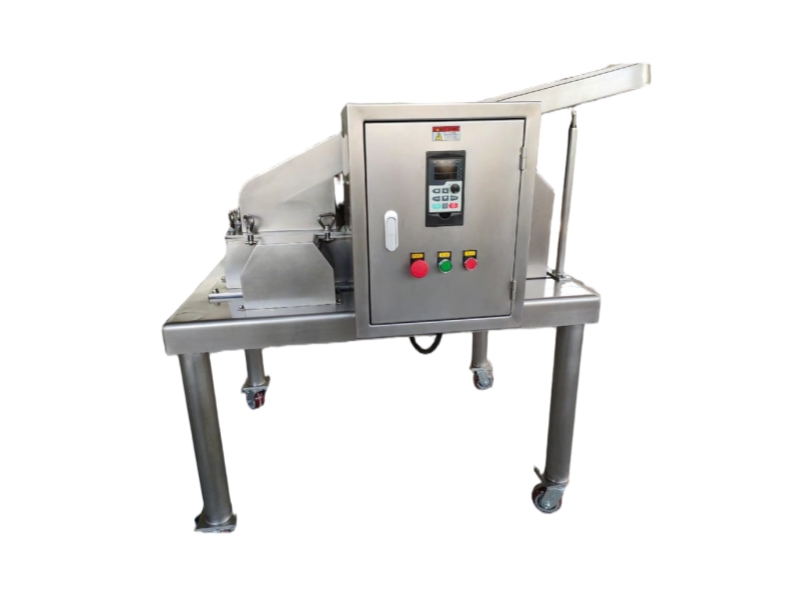
Powder grinder type: hammer mill type
Grinding system: impact grinding system for dried materials
Grinding purpose: medium-fine grinding
Output size: 10-120 mesh
Fineness control method: by sieving system
Main application: food, feed, and agricultural industries
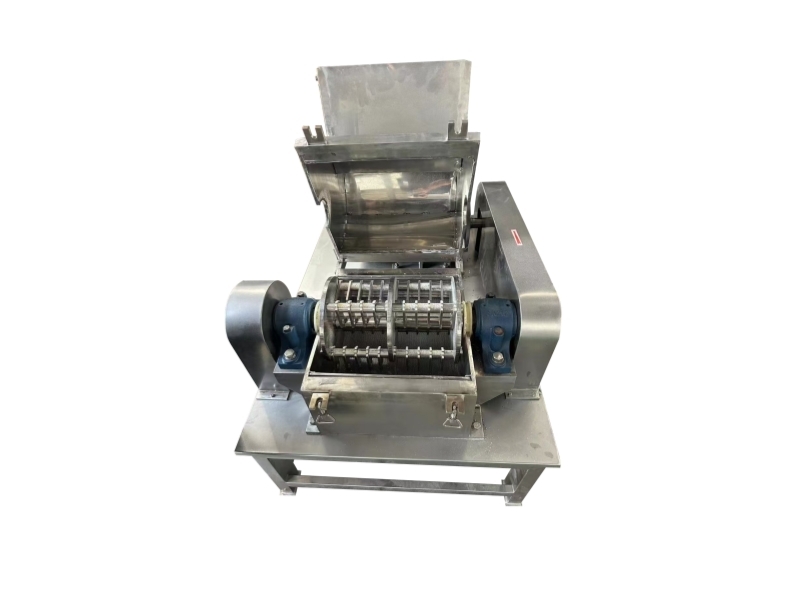
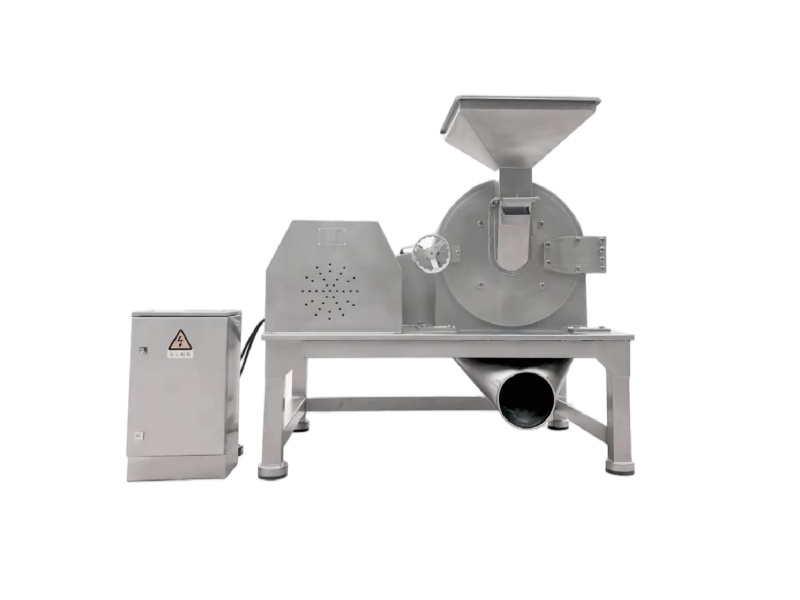
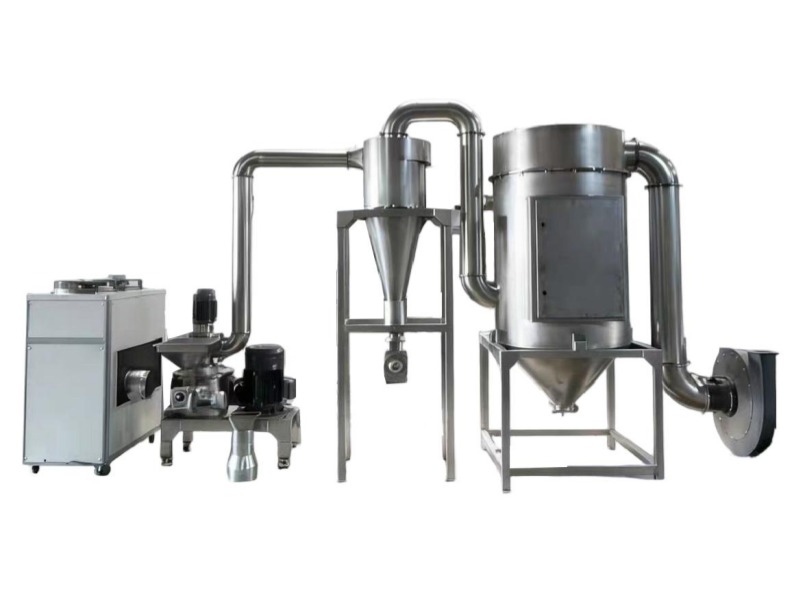
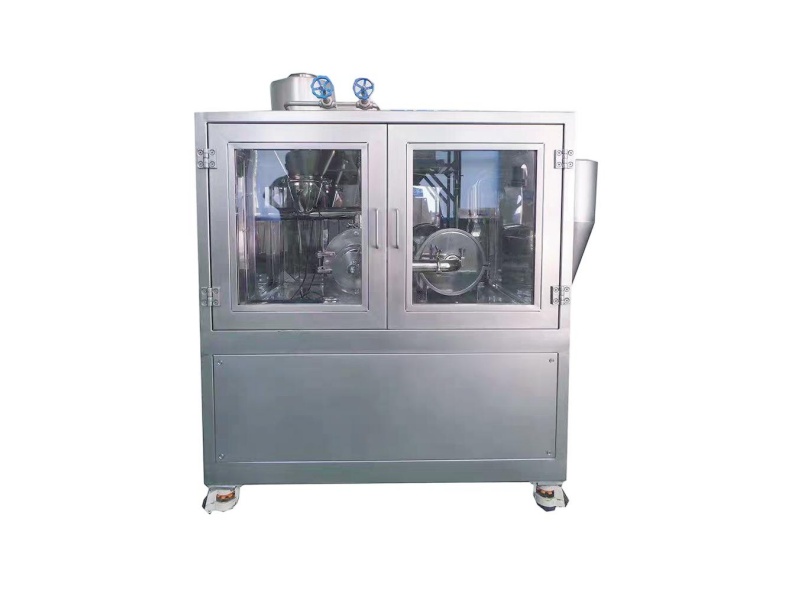
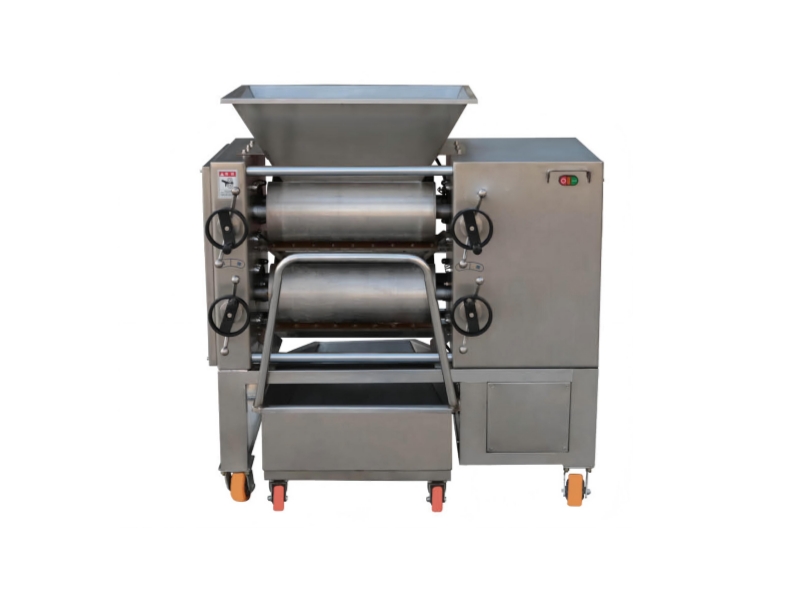
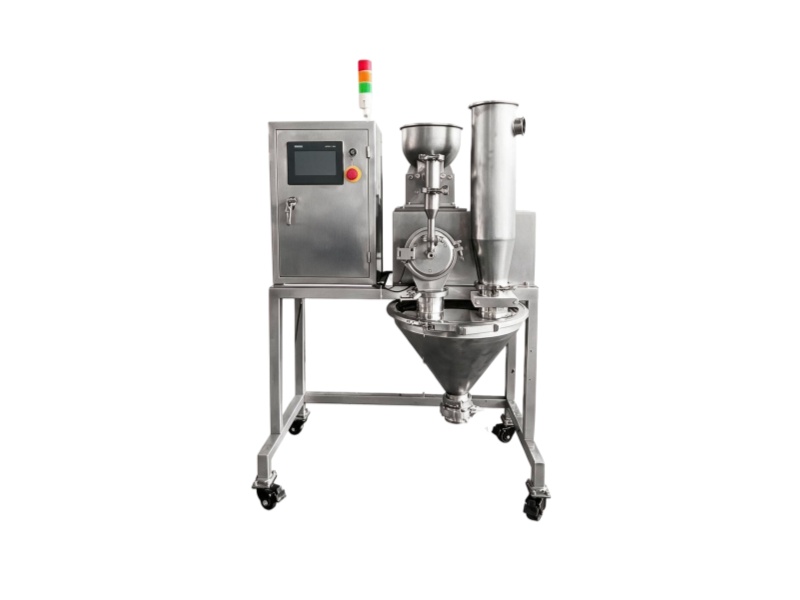
A hammer mill powder machine is an impact grinding system designed to grind dried material into powder using high-speed rotating hammers. It is widely used for coarse to medium-fine grinding across the food, feed, and agricultural industries.
Compared with an air classifier mill, a hammer mill offers higher throughput, simpler construction, easier maintenance, and lower investment cost, making it an ideal choice for many standard powder processing applications.
The hammer mill operates using the principle of high-speed impact grinding. The production process typically follows these steps:
1)Raw materials are fed into the grinding chamber through a hopper or screw feeder.
2)A high-speed rotor fitted with multiple swinging hammers rotates at high speed.
3) The hammers repeatedly impact the material, breaking it into smaller particles.
4)Once the particles are small enough to pass through the selected screen, they are discharged from the machine.
5) Larger particles remain inside the grinding chamber until they reach the required size. The final particle size is primarily controlled by the material hardness and the screen hole size.
Choosing the right grinding equipment is essential for product quality, production efficiency, and operating costs. Compared with other grinding systems, a hammer mill offers several practical advantages:
• High production capacity
• Simple and durable mechanical structure
• Easy operation and maintenance
• Adjustable particle size through interchangeable screens
• Suitable for a wide variety of dry materials
• Lower investment cost than ultra-fine grinding systems
• Reliable continuous operation
For manufacturers looking for an economical and versatile powder grinding solution, a hammer mill remains one of the most popular choices.
Hammer mills are suitable for grinding a wide range of dry, brittle, and fibrous materials across multiple industries with a low requirement for the output powder size.
Industry | Material | Typical Final Particle Size | Applications |
Food | Sugar | 40-100 mesh | Powered sugar |
Food | Salt | 40-100 mesh | Seasonings |
Food | Chili pepper | 20-60 mesh | Chili powder |
Food | Cumin | 20-60 mesh | Cumin powder |
Food | Ginger | 20-80 mesh | Ginger powder |
Food | Herbal leaf | 10-60 mesh | Leaf powder |
Feed | Corn | 10-60 mesh | Animal feed |
Feed | Wheat Bran | 10-40 mesh | Animal feed |
Feed | Soybean Meal | 20-60 mesh | Livestock feed |
Note: Actual particle size depends on the material properties, moisture content, oil content, machine model, rotor speed, and screen size. Material testing is recommended to determine the optimum grinding configuration.
The hammer mill type powder grinder machine mainly has five major features, you can read below for details:
1)High Grinding Efficiency
The high-speed rotating hammers generate strong impact forces, enabling rapid size reduction and continuous production.
2)Adjustable Particle Size
Different screen sizes allow the machine to produce various powder fineness without changing the grinding mechanism.
3)Wide Material Compatibility
The hammer mill handles numerous dry materials used in food, chemical, pharmaceutical, and feed industries.
4)Easy Maintenance
The modular design allows quick replacement of hammers and screens, reducing maintenance time and operating costs.
5)Stable and Reliable Operation
A dynamically balanced rotor minimizes vibration and ensures smooth operation during long production runs.
Model | Capacity | Input Size | Output Size | Weight | Speed | Grind power |
kg/h | mm | mesh | kg | rpm | kw | |
SL-200 | 50-150kg/h | <50 | 10-120 | 900 | 2,900 | 5.5/7.5 |
SL-400 | 200-300kg/h | <50 | 10-120 | 1,300 | 2,900 | 15/18.5kw |
SL-600 | 300-500kg/h | <50 | 10-120 | 1,800 | 2,900 | 22kw |
SL-800 | 700-800kg/h | <50 | 10-120 | 2,200 | 2,350 | 30kw |
SL-1000 | 800-1500kg/h | <50 | 10-120 | 2,800 | 2,000 | 37kw/45kw |
When discussing the hammer mill, many customers are curious about its difference from the air classifier mill. Following is the comparison table for your reference:
Feature | Hammer Mill | Air Classifier Mill |
Grinding Principle | Impact grinding | Impact + air classification |
Particle Size | 10-120 mesh | 60-2500 mesh |
Particle Distribution | Standard | Very uniform |
Capacity | Higher | Medium |
Investment Cost | Lower | Higher |
Maintenance | Simple | More complex |
Best for | General powder production | Ultra-fine powders |
If your application requires ultra-fine powders with narrow particle size distribution, an air classifier mill may be more suitable. For general-purpose grinding with high throughput and lower investment, a hammer mill is often the preferred solution.
Not every material behaves the same during grinding. Factors such as hardness, moisture content, oil content, and target particle size all influence machine selection. Contact our engineering team with the following information:
• Material name
• Required particle size (mesh or um)
• Capacity (kg/h)
• Moisture content
• Product application
Based on your production requirements, we will recommend the most suitable hammer mill powder machine model and provide a customized powder processing solution.
Provide you with the industry`s best solutions

Offer the pre-sales and after-sales technical support
Back to Top
We are devoted to the R&D, production and selling of the grinder machine, mixer machine and filling machine for the food factories. They work for the dry and wet food.
0086 150-5215-2936

 English
 French