


 English
 French
What is the best mixer for powder? In fact, within our “Processing Technology” section, we have already introduced the powder mixing techniques employed by various types of powder mixers. Each type mixer possesses its own distinct design characteristics and application advantages. We will now draw upon the equipment knowledge outlined in that section to address this specific question.
I. Quick Answer
If we use one sentence to quickly answer this question, it is that any given powder mixer could potentially be the best choice. Selecting a powder mixer is not a technical competition, but rather a comprehensive balancing act involving material characteristics, production scale, hygiene requirements, and budget constraints.
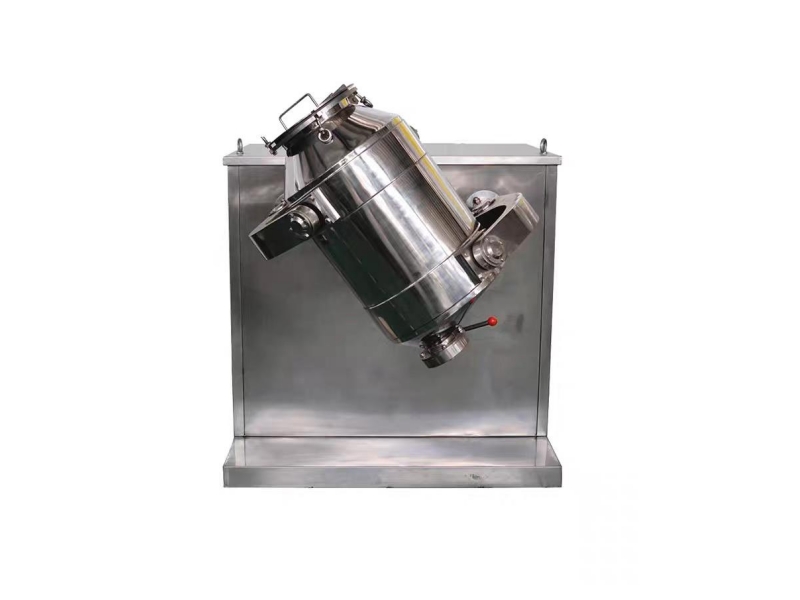
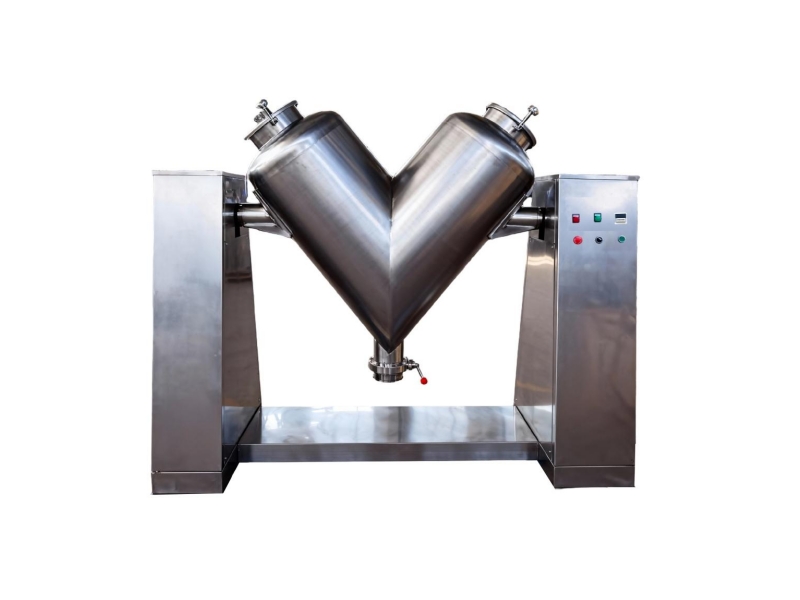
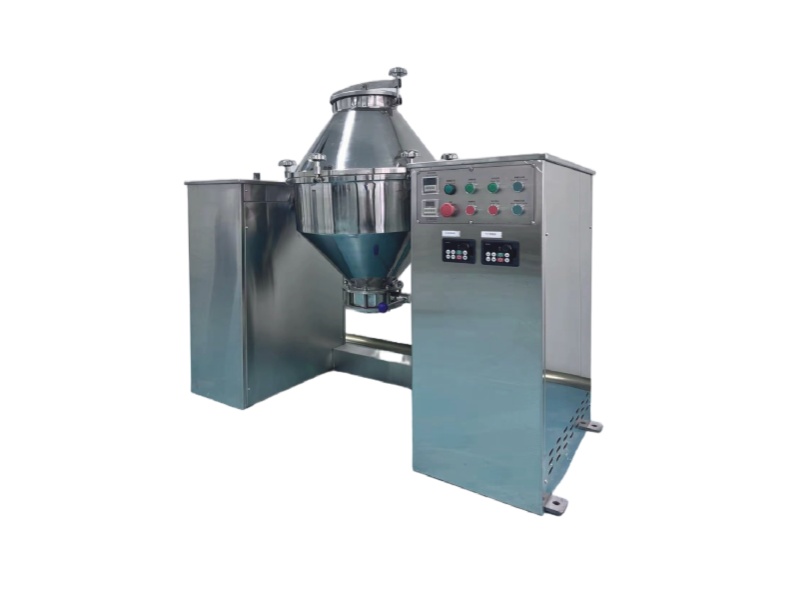
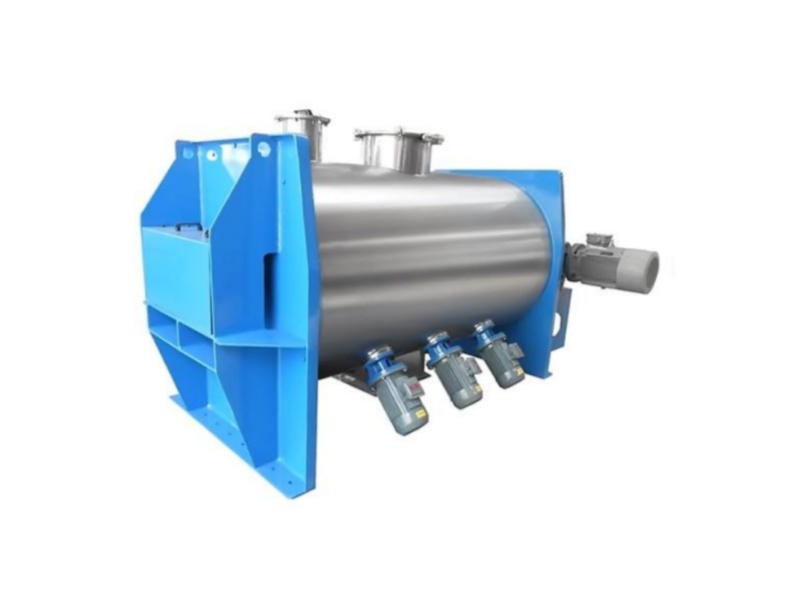
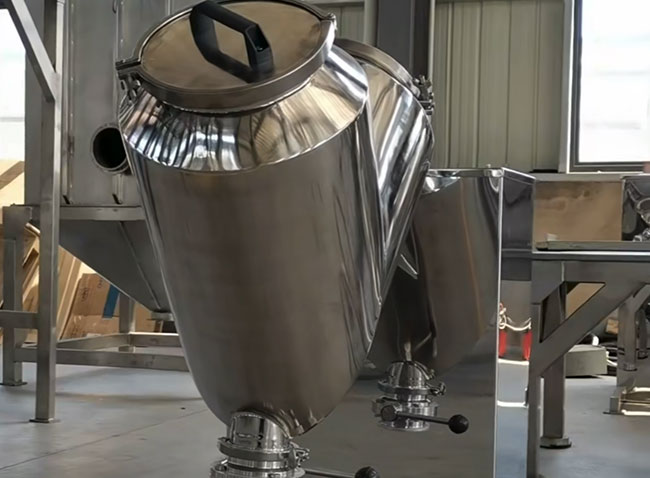
In Powder Mixing Techology Analysis, we have shown that V-type mixers, double-cone mixers, three-dimensional mixers, ribbon mixers, and plow mixers all differ in terms of material compatibility, ease of cleaning, customization options, and price. You can see the working video of these mixers below. Consequently, each type of equipment can represent the optimal choice for different groups of customers. The following are our recommendations to assist you in selecting the right mixing equipment.
II. Selection Recommendations
First, we recommend selecting a model based primarily on the characteristics of the materials to be processed. Subsequently, the final selection should be made based on production preferences and budgetary constraints.
2.1 Selection Based on Material Characteristics
Material Characteristics | Recommended Type | Rationale |
Dry powders with good flowability | SLV series v type mixer, SLW series double cone mixer | Ensure thorough diffusive mixing; easy to clean.
|
Materials with significant differences in specific gravity | SLV and SLW series with forced agitator or ribbon, SLT series three dimensional mixer, SLR series ribbon mixer | Strong mixing performance with inside mixing agitators or multi-dimensional mixing function. |
Standard powders (no special requirements) | SLR series ribbon mixer | High efficiency; excellent cost-performance ratio. |
Viscous powders | SLPS series plow mixer | Generate strong shear force to prevent agglomeration. |
Fibrous materials | SLPS series plow mixer | Plow blades effectively shear fibrous strands. |
Pharmaceutical/Food (High Hygiene Standards) | SLV series, SLW series, SLT series | No internal fixtures for standard type; easy to clean and sanitize. |
2.2 Selection Based on Production Preferences
Production Requirement | Recommended Solution |
High hygiene requirements; ease of cleaning | Rotary-type (SLV series, SLW series, SLT series) |
High mixing efficiency; large-batch processing | Horizontal-type (SLR series) |
Require liquid addition | Ribbon mixer + Spray system |
2.3 Pricing Factors
Budget Level | Recommended Equipment |
Low level | Standard type SLV series V powder mixer or SLW series double cone mixer |
Medium level | SLV or SLW plus forced agitator inside |
Medium to high level | SLR ribbon mixer, SLW series double cone mixer plus inside mixing ribbons |
High level | SLPS series plough mixer |
III. Summary
Let’s return to that initial question, what is the best mixer for powder? Have you found the answer yet? Fundamentally, the key lies in aligning the equipment with your specific dry powder mixing requirements. When selecting a dry powder mixer, we recommend addressing the following five questions:
Question | Your Answer | Impact |
What is the material? | Dry Powder / Granules / Viscous / Fibrous | Determine the technical approach |
Is liquid addition required? | Yes / No | Determine the need for a spray system |
Are hygiene requirements strict? | High / Standard | Determines the sanitary design |
What is the batch processing volume? | Small / Medium / Large | Determines the equipment specifications |
What is the budget? | Limited / Ample | Determines the configuration tier |
Need assistance with equipment selection? Please contact us. Provide us with details regarding your material characteristics, production capacity requirements, and hygiene standards, and we will recommend the most suitable solution for you.