


 English
 French
This article is to analyze the market trend of fruit and vegetable combinations(which often mean the fruit and vegetable puree) in baby food field. Most research data are from authoritative institutions such as Research and Markets, Co-Research Industrial Research Institute, and Global Growth Insights to objectively reflect the development trend of fruit and vegetable purees in the infant food industry.
I. Market Overview: The Billion-Dollar Blue Ocean of Baby Food
Firstly, let's focus our attention on this huge market of baby food. According to the latest "Baby Food Market Report 2026" released by Research and Markets, the global baby food market will reach $87.06 billion in 2026 and is projected to grow to $107.65 billion by 2030, with a CAGR of 5.4% during the forecast period.
Meanwhile, data from Mordor Intelligence shows that the global baby food market will be approximately $74.57 billion in 2026 and is projected to reach $90.44 billion by 2031, with a CAGR of 3.93%. Although the forecasts from different institutions differ, the growth trend is highly consistent.
Global Growth Insights is even more optimistic. Its report indicates that the global baby food and beverage market will be $100.11 billion in 2025, and is projected to reach $109.63 billion in 2026, potentially growing to $248.32 billion by 2035, with a CAGR as high as 9.51% during the forecast period.

II. Baby Fruit and Vegetable Puree: The Fastest Growing Sub-Segment
Baby fruit and vegetable puree, is the sub-segment of the baby food. The market trend of this type baby food is upward, making it a highly valuable investment.
2.1 Global Baby Fruit Vegetable Puree Market Size and Growth Rate
Among the many sub-categories of baby food, fruit and vegetable puree is one of the fastest growing sectors. Baby Fruit Puree Market Outlook 2026-2034, the latest report from Research and Markets(see below chart), shows:
● Global baby fruit puree market size of US$1.61 billion in 2025
● Projected to grow to US$3.06 billion by 2034
● CAGR of 7.4% during the forecast period
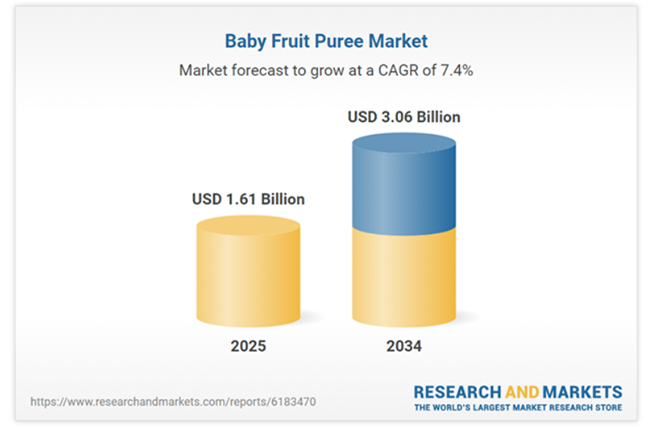
(Remark: The picture comes from the Research and Markets.)
This growth rate far exceeds the overall baby food market (5.4%), highlighting the investment value of fruit and vegetable puree as a star sub-category.
2.2 Core Drivers of Market Growth
2.2.1 Consumer Group Evolution: Post-95 Parents Become the Core Force
The Co-Research Industrial Research Institute points out that the post-95s to pre-00s generation is gradually becoming the core force in maternal and infant consumption. They place greater emphasis on scientific parenting, safety, and quality, and reject "concept marketing." Characteristics of this generation of parents include:
Feature | Specific Manifestations | Impact on the Fruit and Vegetable Puree Market |
Scientific feeding awareness | Pay attention to staged feeding to suit the baby's developmental stage. | Drive demand for phased and functional fruit and vegetable purees. |
Cleaning label preferences | Prefer organic, additive-free products | Sugar-free and additive-free fruit and vegetable purees are becoming mainstream. |
Information acquisition ability | Reject IQ tax and delve into the ingredient list. | This forces brands to improve product transparency. |
2.2.2 Increased Dual-Income Families Drive Surging Demand for Convenience
A Mordor Intelligence report analyzes that infant feeding patterns are shifting as more mothers enter the workforce. In the US, the labor force participation rate for mothers with children under 3 years old has rebounded to post-pandemic levels; in India, the female labor force participation rate reached 37% in 2022-23, marking a significant demographic shift.
This trend is particularly pronounced in urban areas, where the increasing prevalence of dual-income families is driving stable demand for convenient feeding solutions. The Research and Markets report also emphasizes that convenience, expectations regarding clean labeling, and the increase in dual-income families are the core drivers of growth in the fruit and vegetable puree market.
2.2.3 Increased Penetration Rate and Per Capita Consumption
According to Frost & Sullivan data, the penetration rate of complementary foods for infants aged 6 months to 3 years is projected to increase from 38% in 2024 to over 50% in 2029, with per capita annual expenditure on packaged complementary foods for infants increasing from RMB 6,247 to RMB 7,318.
Driven by the upgrading demand for scientific feeding, complementary foods are rapidly transforming from a side dish to a nutritional staple. Such trend is propelling the overall market towards healthier, more functional, and more diversified directions.
III. Consumer Trends: From Basic Satiety to Scientific Nutrition
We have seen the great potential of the fruit and vegetable combination puree market from the above information. Here let us focus on the trend of the customer demand for this type baby food.
3.1 Product Upgrade: The Rise of Compound and Functional Fruit and Vegetable Purees
According to the 2025-2031 China Infant Fruit Puree Market Development Prospect Forecast and Investment Strategy Consulting Report, as consumers' demand for balanced nutrition for infants and young children deepens, the infant fruit puree market is shifting from basic satiety to a stage of scientifically fortified nutrition.
Key Figures:
● By 2026, the market share of compound fruit purees (containing two or more kinds of fruits and vegetables) is expected to increase to 58%.
● Products with added probiotics, DHA, and other scientifically formulated ingredients are growing at an annual rate exceeding 20%.
● Approximately 44% of new products emphasize organic claims, 32% promote plant-based or lactose-friendly positioning, and 28% emphasize enhanced functions.
3.2 Upgraded Consumer Selection Standards
Data from iResearch Consulting shows that consumer purchasing has shifted from brand-oriented to prioritizing scientific formulation, paying more attention to:
● "Sugar-free, salt-free, fragrance-free" labels
● Precise nutrition such as iron, zinc, and DHA
● Functional products such as organic, hypoallergenic, and plant-based products
3.3 Packaging Format Evolution: Spout Pouches Become Mainstream
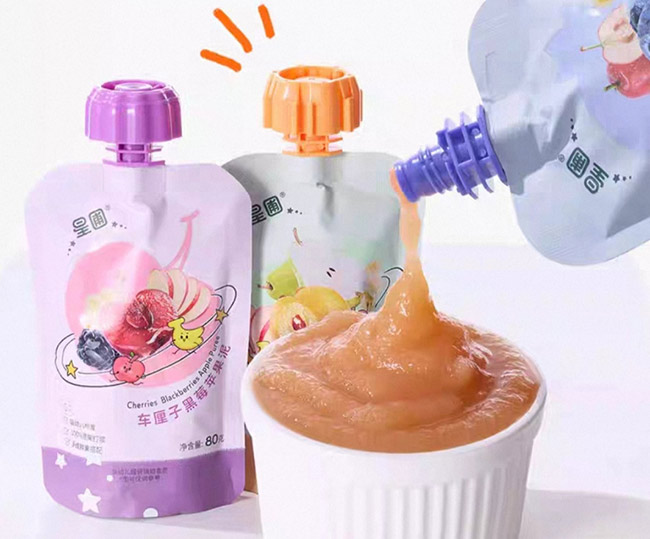
A Research and Markets report emphasizes that lightweight spout pouches are popular due to their portability and self-feeding capabilities, but brands are gaining consumer trust through recyclable materials, clear date coding, and tamper-evident seals.
Global Growth Insights data corroborates this trend: approximately 33% of innovation focuses on pouch products, and 26% on organic lines. Spout pouches, with their convenience, hygiene, and suitability for outings, are becoming the mainstream packaging format for baby fruit and vegetable purees.
IV. Regional Market Landscape
After knowing the market chances and the customer demands, we should move our attention to the specific landscape where marketing should be done.
4.1 Asia Pacific: Largest and Fastest Growing
In 2025, the Asia Pacific region will account for 44.40% of the baby food market and will be the fastest growing region with a CAGR of 6.82%. This growth is attributed to:
● A large population base
● A rapidly growing middle class
● Increasing female labor force participation
A Research and Markets report indicates that rapid urbanization and disposable income growth in the Asia Pacific region are driving the expansion of high-quality fruit and vegetable purees, especially in convenient packaging. Local flavors inspire product innovation(tropical fruits and fruit/vegetable/grain blends), and e-commerce and live-streaming e-commerce are educating new parents.
4.2 North America: Premiumization and Organicization
The mature North American market achieves value growth through premiumization and organic products. Research and Markets analysis indicates that the North American market has a high penetration rate of bagged products, a strong preference for organic products, and retailers emphasize transparency in heavy metal testing, bundled packaging, and phased guidance.
4.3 Europe: Standards Leadership and Sustainable Development
Europe, with its stringent standards for infants and young children and environmental aspirations, favors glass jars and recyclable bags, and features clear country-of-origin labeling. China Food Safety Network reports that Europe excels in organic product leadership and stringent quality standards, which often become global benchmarks.
V. Future Outlook: Market Size Forecast for 2030
So, how big the vegetable and fruit puree market will be? Please kindly check the following analysis:
5.1 Global Market: Continued High-Speed Growth
Based on various forecasts:
● Research and Markets: Global infant food market size to reach US$107.65 billion in 2030
● Global Growth Insights: Reaching US$248.32 billion in 2035, CAGR 9.51%
● Infant puree market: Reaching US$3.06 billion in 2034, CAGR 7.4%
5.2 China Market: Poised to Become the World's Largest
According to data from Frost & Sullivan cited by Consumer Daily, the Chinese infant and toddler complementary food market is projected to reach RMB 81.75 billion in 2029, potentially becoming the world's largest market.
5.3 Changes in Product Category Structure
The Research and Markets report projects the following trends in the future fruit and vegetable puree market:
● Stage-specific products: Matching different viscosities and particle sizes according to the infant's developmental stage
● Low sugar content: Reducing sugar content by incorporating ingredients such as pumpkin, carrots, and oats
● Freeze-drying technology: The rise of cold chain and freeze-drying methods, retaining over 90% of nutrients
● Allergen-friendly: Introducing small doses of nuts or dairy products to support early allergen introduction
VI. Conclusions and Investment Recommendations
Based on the comprehensive survey and analysis above, we can conclude the market trend, development potential, investment chances, etc.
6.1 Core Conclusions
● Vast Market Potential: The global infant food market exceeds $80 billion, with fruit and vegetable purees leading the growth with a 7.4% CAGR.
● Clear Consumption Upgrade: Shifting from basic satiety to scientific nutrition, compound and functional fruit and vegetable purees are becoming mainstream.
● Accelerated Channel Transformation: E-commerce and live-streaming e-commerce are becoming core channels for educating consumers and reaching users.
● Standard Upgrades Driving Reshuffling: The implementation of new national standards eliminates outdated production capacity, creating development opportunities for leading companies.
6.2 Recommendations for Manufacturing Enterprises
Direction | Specific Strategies | Value |
R&D | Develop compound, functional fruit and vegetable purees, focusing on stage-specific nutritional needs. | Meet the needs of consumption upgrading. |
Process upgrade | Investing in a shredder/mixer combined with aseptic filling equipment enables integrated "cooking and shredding" production. | Improve efficiency and ensure quality |
Packaging Innovation | Using recyclable spout bags, it combines convenience and sustainability. | Adapt to packaging trends. |
Standards Leading | Actively participate in the development of group standards, shifting from passive compliance to proactive standard setting. | Build competitive barriers. |
6.3 Conclusion
Fruit and vegetable combination puree in baby food field represents a golden market with excellent trends and immense potential. For companies entering this market, to propel themselves to the forefront of industry development, they need to build higher quality standards beyond basic requirements. To be specifically, solve real feeding problems through solid R&D, respond to consumer trust with transparent standards, and drive industry progress through continuous innovation.
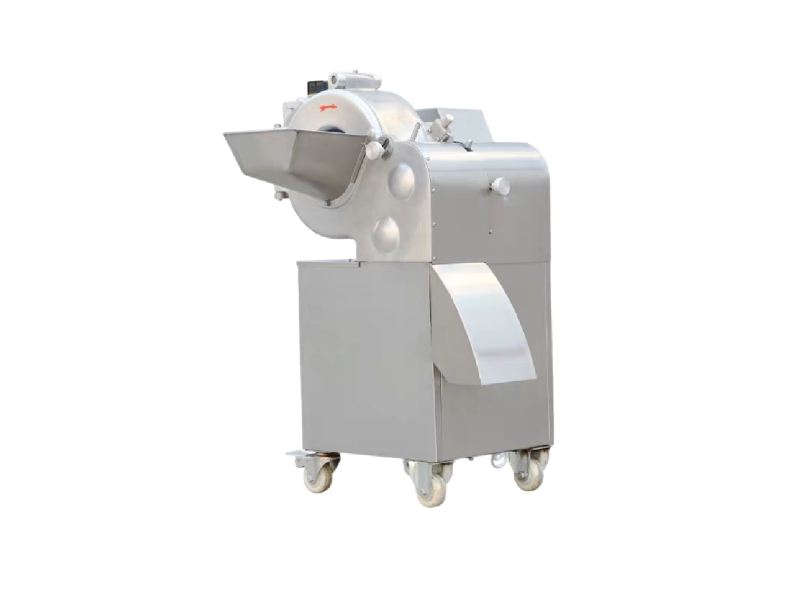
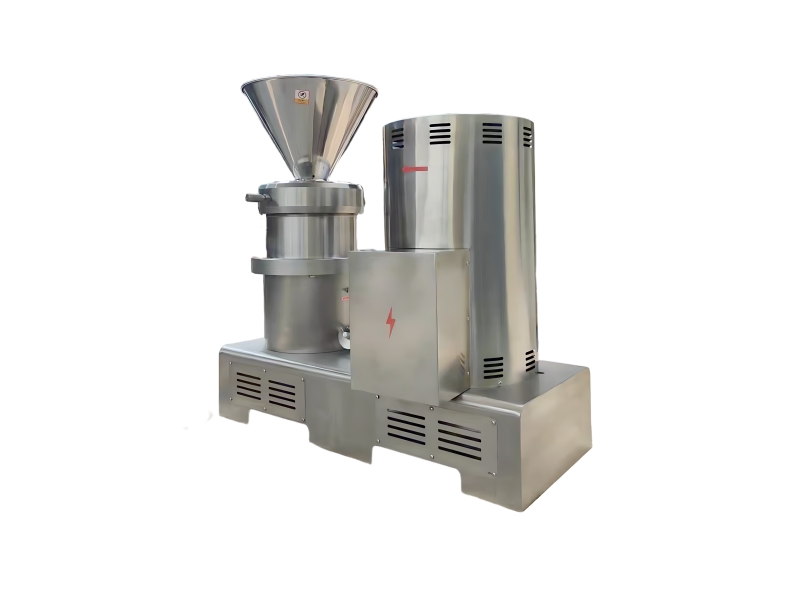
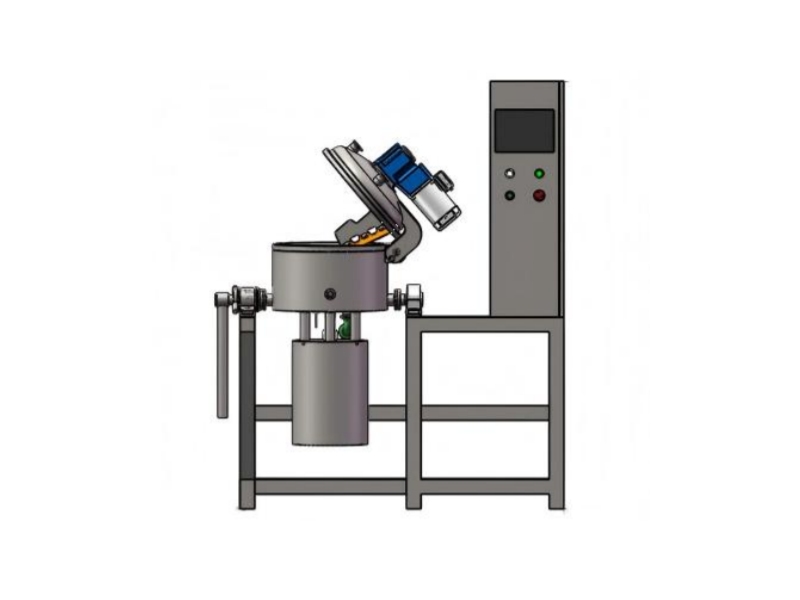
Salinovate Technology, as the machine supplier, we can provide fruit and vegetable grinder machines, vertical cutter mixer, and spout pouch bag filling machines for baby fruit and vegetable puree production. Please contact us if you have such a need.
References:
1. Co-Research Industrial Research Institute. (2026). 2026 China Infant Food Industry Panorama Survey and Investment Strategy Research Report.
2. China Food Safety Network. (2026). Standards Reshape the Industry Landscape, Infant Complementary Food Enters a New Cycle of Staged High-Quality Development.
3. GII (Japan). (2026). Market Size, Market Share and Growth Analysis of Food Purees (2026-2033).
4. Research and Markets. (2026). Baby Food Market Report 2026.
5. Mordor Intelligence. (2026). Baby Food - Market Share Analysis, Industry Trends & Statistics, Growth Forecasts (2026-2031).
6. Research and Markets. (2025). Baby Fruit Puree Market Outlook 2026-2034: Market Share, and Growth Analysis.
7. Global Growth Insights. (2026). Baby food and beverage market size and forecast (2026-2035).