


 English
 French
This article systematically analyzes the current consumption status, growth potential, consumer group classification, and future opportunities of the tomato sauce market from a global perspective. Basically, most data are based on the latest market research reports from authoritative institutions such as Fortune Business Insights, Mordor Intelligence, and SkyQuest in 2026. The aim is to provide decision-making references for the tomato sauce business investors.

I. Market Overview: A Steadily Growing Billion-Dollar Industry
1.1 Market Size and Growth Expectations
Is the tomato sauce business profitable? The answer is yes, but the answer lies in how to do it.
According to the latest data from Fortune Business Insights, the global tomato sauce market reached $25.92 billion in 2025 and is projected to grow from $27.51 billion in 2026 to $44.22 billion in 2034, with a compound annual growth rate (CAGR) of 6.11% during the forecast period.
While forecasts from different research institutions vary, the growth trend is highly consistent:
Research institutions | Forecast period | CAGR | Annual Market Size |
Fortune Business Insights | 2026-2034 | 6.11% | $44.22 billion in 2034 |
SkyQuest | 2026-2033 | 3.6% | $29.28 billion in 2033 |
Mordor Intelligence | 2026-2031 | 4.74% | $23.61 billion in 2031 |
TechSci Research | 2025-2030 | 4.11% | $21.72 billion in 2030 |
Key Findings: Despite discrepancies in forecasts from various institutions, the global tomato paste market is steadily expanding at an average annual growth rate of 3.5%-6.1%, making it a growth sector with strong certainty.
1.2 Regional Landscape: Who's Eating tomato sauce?
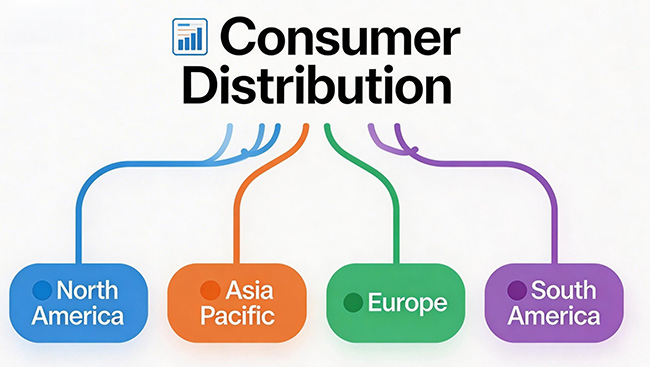
North America dominates the global market with an absolute advantage, holding a 39.18% market share and a market size of $10.16 billion in 2025. The United States is the world's largest consumer of tomato sauce, a position driven by its large population, reliance on processed foods, and mature fast-food culture.
Notably, according to Canadian government data, the United States imported $55.4 million worth of tomato sauce and sauces, totaling 30.6 million kilograms, in 2022. This data reveals a structural demand gap even among major producers.
The Asia-Pacific region is becoming the fastest-growing regional market, with a CAGR of 7.12%. Countries like China, India, and Japan possess large consumer bases, and continued economic development has increased disposable income, enabling consumers to explore processed products. India's urban population has increased sixfold since 1951, reaching 377.1 million in 2011, and is projected to grow to 590 million by 2032. This urban expansion has directly driven the popularization of Western diets.
The European market is experiencing steady growth. Germany, as Europe's largest economy, is seeing rising demand for ethnic and spicy foods, driven by increased home cooking and a preference for ready-to-eat meals.
South America, led by Brazil, is experiencing growth fueled by increased fast food consumption and the growing prevalence of Western condiments in the food service sector. The Middle East and Africa benefit from a large expatriate population; the UAE has an expatriate population that comprises 88.1% of its population, the second highest proportion globally, directly driving demand for convenience foods.
II. Market Drivers: Three Pillars Promoting Growth
2.1 Continued Rise in Demand for Convenience Foods
With accelerating urbanization and a faster pace of life, consumers increasingly favor quick and simple meal solutions. tomato sauce, as a versatile condiment, has become an easy way to enhance the flavor of ready-to-eat or pre-packaged foods. This trend is particularly pronounced in dual-income households, where limited cooking time prompts the search for hassle-free and convenient meal options.
Data from the U.S. Department of Agriculture also confirms this: with the increasing prevalence of dining out and rising condiment usage, demand for single-serving tomato sauce has surged. These single-serving packages are especially popular in fast-food chains, cafeterias, and convenience stores.

2.2 Global Expansion of Fast Food Culture
In the Asia-Pacific and Latin America regions, fast food chain networks are expanding rapidly, directly driving the growth in tomato sauce usage. Both American chains and local franchises are using tomato sauce as a standard condiment to introduce the product to new consumer groups and solidify its position in modern dietary habits.
With increased disposable income and a growing acceptance of Western dietary styles, young urban residents are making tomato sauce a part of their daily meals, often pairing it with popular fast foods such as hamburgers, fries, and sandwiches.
2.3 Product Innovation Opens New Space
Traditional tomato sauce is no longer the only option on supermarket shelves. Major manufacturers are innovating with a variety of new flavors, such as garlic, sweet pepper, or exotic flavors. This innovation attracts a large number of consumers seeking novel and unique condiment experiences.
Recent Product Innovation Cases:
● September 2024: Kraft Heinz launched Heinz Pickles Tomato Sauce in Ireland.
● April 2025: Heinz launched Heinz Sweet Sriracha Tomato Sauce, with a sweet and spicy flavor.
● April 2025: Granos, a premium health food brand, launched Granos Better tomato sauce, a clean label product made with no added sugar, sweetened with raw sugar, and 100% natural ingredients.
● December 2024: Brooke's launched Organic Jalapeno Tomato Sauce, blending organic tomato sauce with jalapeno peppers.
III. Market Constraints: Challenges and Risks Coexist
3.1 Rising Health Concerns
Consumers are increasingly health-conscious and wary of the sugar, salt, and preservatives in tomato sauce. Traditional tomato sauces often contain high levels of salt and sugar; according to FDA data, increased sodium intake can lead to high blood pressure and serious cardiovascular diseases.
In the United States, many regular SKUs no longer meet the requirements for health claims under the FDA's new 2025 standards, limiting promotional opportunities on packaging. In Western Europe, retail chains use traffic light nutrition labels, placing high-sugar tomato sauces on lower shelf positions.
3.2 Raw Material and Cost Challenges
The seasonal availability of tomatoes poses challenges to production, while scrutiny of artificial preservatives and competition from other condiments may hinder further market development. Climate-driven fluctuations in tomato yields are a long-term risk for the industry.
3.3 Technical Challenges to Flavor Improvement
Balancing acidity and viscosity while reducing sugar content increases research and development costs. Although monk fruit and stevia are widely used as sugar substitutes, their lingering aftertaste hinders large-scale market acceptance.
IV. Consumer Segmentation: Opportunities Lie in Segmentation
4.1 Classification by Product Type
Type | Market Share | Characteristics | Target Group |
Original tomato sauce | Dominant | Traditional consumer preferences, balanced taste | Household daily consumption, mass market |
Flavored tomato sauce | Fastest growing | Spicy, garlic, exotic flavors | Exploratory Consumers |
Organic tomato sauce | CAGR 6.03% | Pesticide-free, clean label | Health-conscious parents |
Low-sugar/sugar-free tomato sauce | New | In line with health trends, but technically challenging | Specific dietary groups |
Changing Consumer Psychology: Health-conscious consumers are seeking healthier alternatives that don't compromise taste. Organic tomato sauce is projected to jump to a 22.60% share in specialty retail by 2031, driven by double-digit sales growth.
4.2 Classification by by Consumption Scenario
Package Type | Characteristics | Growth Trend | Packaging Preferences |
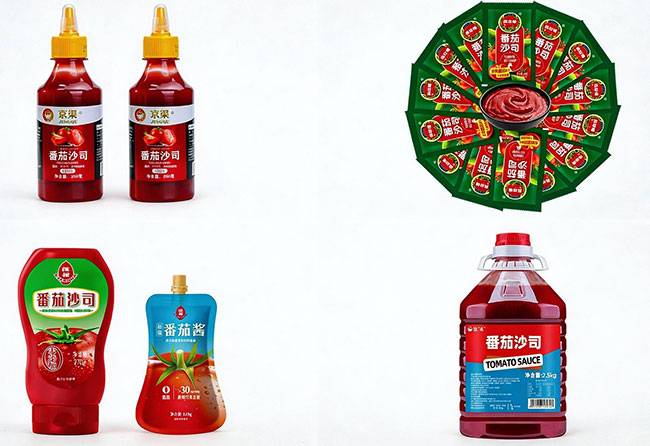
Household consumption | The pursuit of large packaging and cost-effectiveness is greatly influenced by brand loyalty. | Stable growth | Mainly bottle package |
Food service | High demand, price sensitivity, and a need for stable supply. | Rapid growth | Large bags, large buckets |
Takeout/Delivery | Demand for single-serving packaging is surging, and hygiene requirements are high. | Fast growth | Single-serving soft bag, small cup |
Snack food | Paired with fries, chicken nuggets, etc., impulse purchases. | Stable growth | Small bag package |
Data support the increasing popularity of dining out and the trend of trying different cuisines are driving increased use of the product in the food service sector. Demand for single-serving tomato sauce has surged, particularly in fast-food chains, buffet restaurants, and convenience stores.
V. Competitive Landscape: The Game Between Giants and Innovators
5.1 Market Concentration and Major Players
The global tomato sauce market is characterized by high concentration, with the top ten companies holding a dominant share. However, regional brands and emerging innovators are challenging this pattern.
Company | Market Share | Core Advantage | Recent Developments |
Kraft Heinz | Global leader | Brand awareness, channel coverage, and scale advantages. | Continuously launch innovative flavor products. |
McCormick & Company | Key participants | Diversified product lines and strong catering channels. | Expand into emerging markets. |
Unilever | Key participants | Global distribution network, brand portfolio. | Health-oriented product layout. |
ConAgra Foods | Key participants | Deepening its presence in the North American market ;Acquiring innovative brands. | Acquire innovative brands. |
Del Monte | Regional leaders | Quality reputation, traditional channels. | Expand the Asia-Pacific Market. |
General Mills | Key participants | Brand portfolio, R&D capabilities. | Organic product line expansion. |
5.2 Emerging Innovator Model
Type | Representative Case | Competitive Advantage | Challenge |
Organic brands | Granos Better tomato sauce | Clean label, health positioning | High costs and difficulties in channel expansion. |
Flavor innovators | Heinz kimchi flavored tomato sauce | Topicality and appeal to young people | Short life cycle, difficult to scale. |
Regional specialty brands | Local brands | Regional identity, taste compatibility. | Difficulty in expanding across regions. |
5.3 Competitive Strategy Analysis
The tomato sauce market is indeed quite profitable, but also highly competitive. Therefore, we recommend that initial investors focus on local markets, producing tomato sauce that meets the tastes and preferences of the local population. This is the first step in product positioning. Meanwhile, there's room for innovation in this area, because local cuisine and traditional tomato sauce often differ in flavor. Additionally, investors need to conduct thorough market research to identify the largest customer groups in their investment area and their preferred packaging formats. Then, they should choose packaging primarily suited to these key customer groups and select appropriate filling equipment. For product promotion, they should effectively utilize new e-commerce models and strengthen local marketing and customer acquisition. Regarding pricing, this also requires thorough market research and competitor analysis to develop a pricing strategy.
Another suggestion is to take a niche approach, producing tomato sauce with a unique flavor. However, this strategy still needs to be based on market research. Does the investment area have a sufficient customer base for this type of tomato sauce? Do these customers have sufficient financial resources to purchase a more expensive, uniquely flavored tomato sauce?
Therefore, there is no fixed strategy. Everything needs to be adapted to local conditions, requiring thorough market research in the investment area before market positioning.
VI. Conclusion: Profitable, But Do It Smart
6.1 General Overview
Returning to the core question: Is the tomato sauce business profitable? The answer is yes, but the era of the traditional one bottle of tomato sauce is all you need is over.
The global market is steadily expanding at a CAGR of 6.11%, reaching a size of US$44.2 billion by 2034. This is a growth track with strong certainty. The North American market is mature and stable, while the Asia-Pacific region is experiencing rapid growth, with increasingly segmented consumer groups and ample room for product innovation.
6.2 Key Success Factors
For new entrants, the key to success lies in:
1)Identifying the right market segment: Don't try to serve everyone. Choose a specific consumer group (fitness enthusiasts, children, vegetarians, etc.) or a specific application scenario (barbecue, takeout, cooking, etc.). What’s more important, investors should consider the proportion of the local consumer base and make appropriate positioning decisions. Not all locations should adopt a single strategy.
2)Differentiated Product Positioning: Focus on three key areas: health (low sugar/organic), flavor (spicy/exotic), and functionality (added protein/prebiotics). Aim for excellence in one of these areas. It is advisable to observe the tastes of the local population when investing, and to ensure the food aligns with their dietary habits.
3)Matching Production Line Design: It is essential to consider both investment costs and production line capacity when purchasing tomato sauce production line equipment that truly meets the requirements.
4)Precise Channel Strategy: Test the market through e-commerce, stabilize scale through the food service channel, and build brand presence through retail channels.
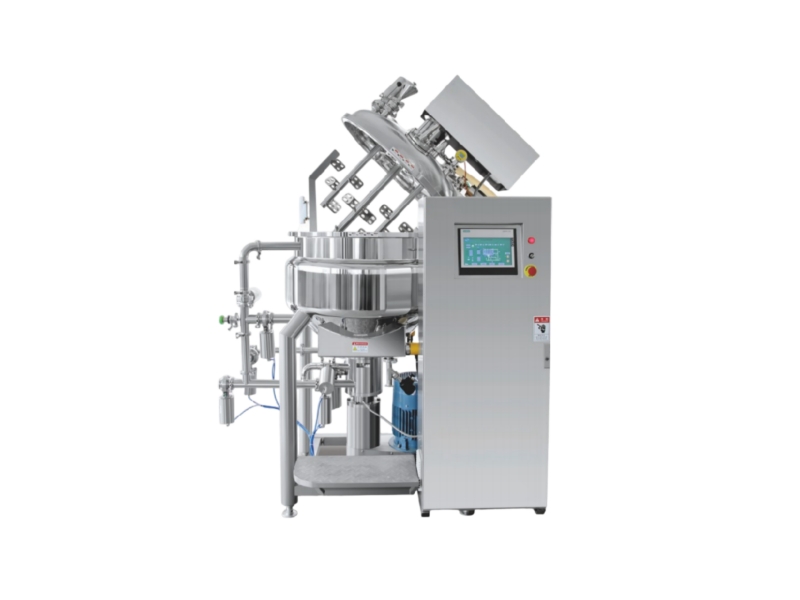
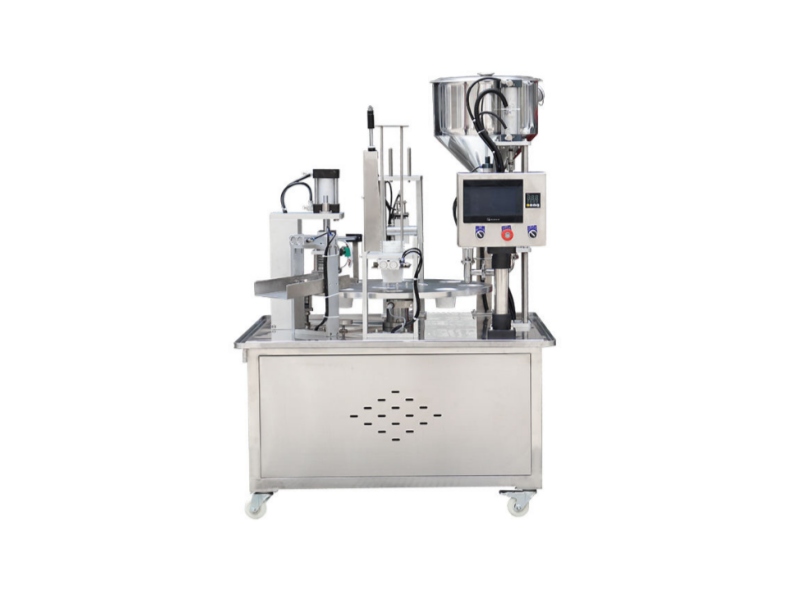
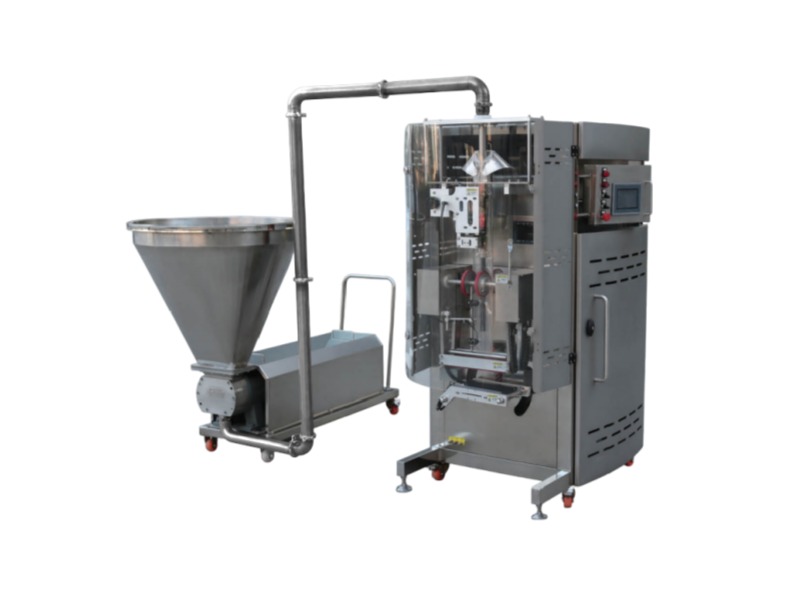
Salinovate mainly offers grinder, mixer and filling machine for the tomato sauce production line. We can also give you help in the complete line design. For any need, you can directly contact us.