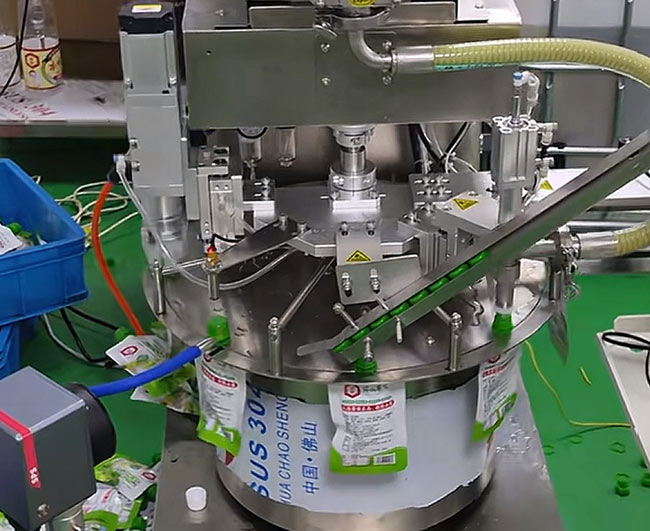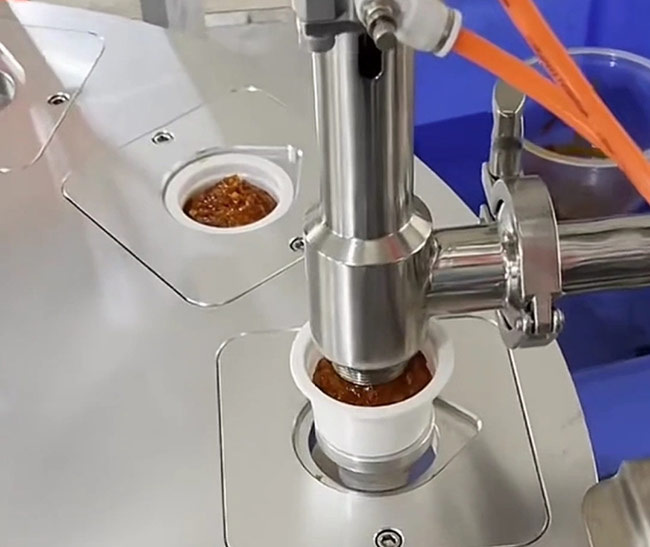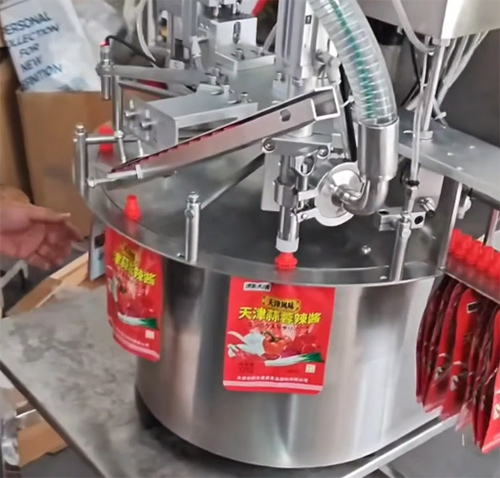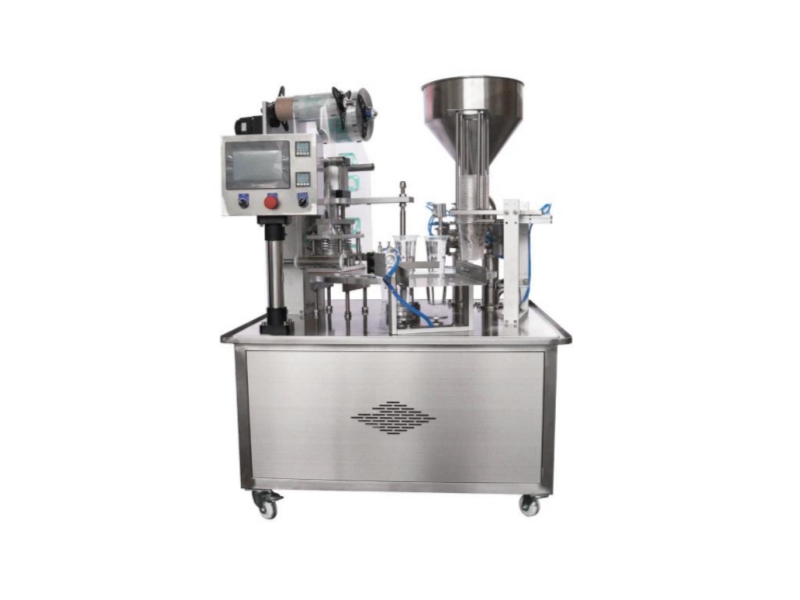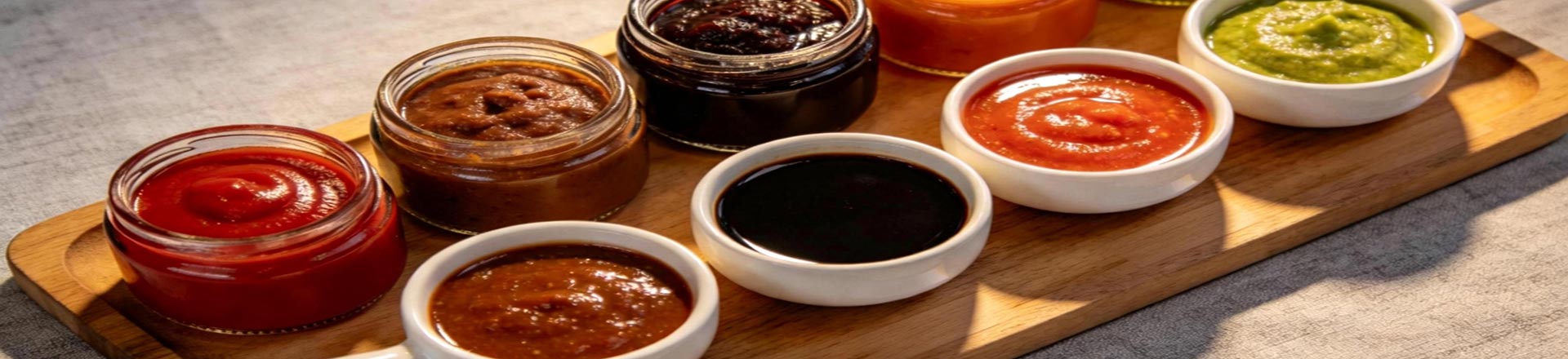
Food sauces have complex physical properties even for one type sauce due to the variety. Ranging from thin soy sauce to thick peanut butter, and even chunky tomato sauce to delicate ketchup, sauces have always been a challenge in the filling process. As the various sauce filling equipment provider for food companies, Salinovate understands the stringent requirements for equipment stability and flexibility behind the "one bottle, one sauce" principle.
Currently, the mainstream package formats for food sauces on the market are mainly divided into three categories: bags, bottles, and cups. The package format directly determines the layout and efficiency of the downstream production line. This article starts from the three packaging types, deeply analyze the technical details of different filling equipment, and provide eight practical selection angles to help you find the most suitable equipment for your sauce production line.
After understanding that sauce package comes in various forms, we cannot immediately find specific equipment based on the package type. This is because each type of package corresponds to several different types of filling equipment with varying customized functions. Below, we provide a detailed explanation based on each package type.
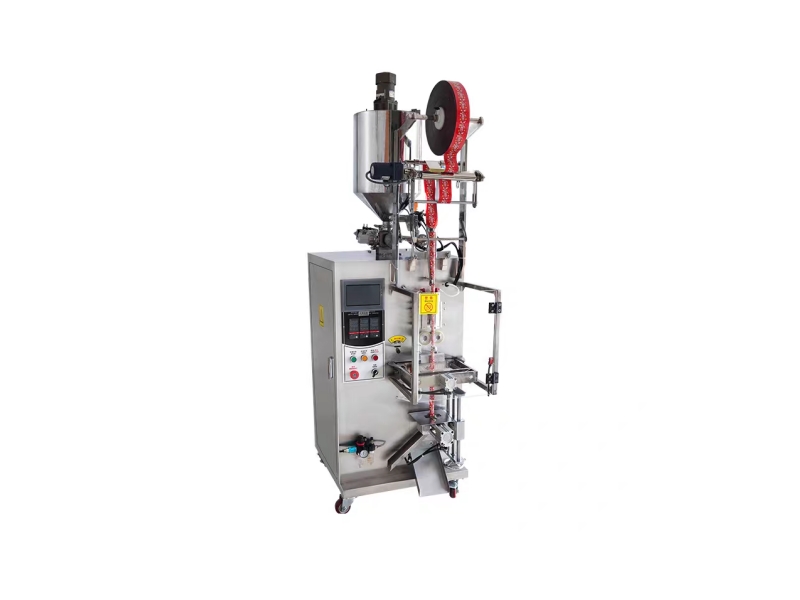
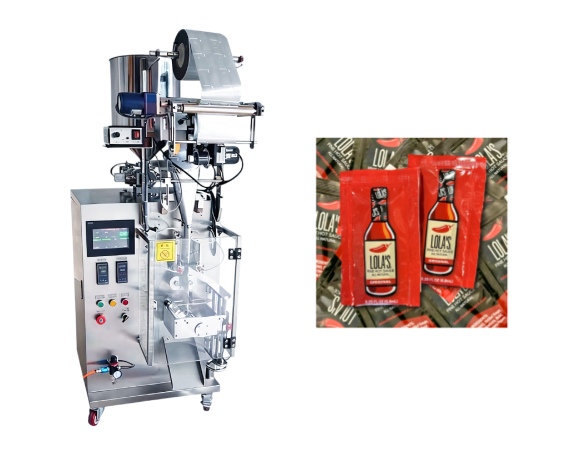
Bagged sauces are widely used in the fast food, airline catering, and retail condiment markets due to their portability. The bag packages are often in the form of small roll film bags and spout pouch bags.
Equipment Classification: SLBF series small bag packaging machine and SLXF series spout pouch bag filling and capping machine
Filling volume for small roll film bags typically ranges from 5g to 20g, such as 20g of ketchup, 15g of chili sauce, or 10g of salad dressing.
Filling volume for spout pouch bags typically ranges from 50g to 1kg, such as 100g fruit puree, 290g peanut butter, 1kg curry paste, etc.
Metering Pump Selection: Based on different viscosities and particle sizes, piston pumps, gear pumps, and rotor pumps need to be configured according to the specific situation.
Machine Type: Single-lane machines are suitable for small-batch production with moderate speeds; multi-lane machines (e.g., 4, 6, or 8 rows) can significantly increase capacity. Speeds range from 30bpm to over 200bpm, directly impacting the price.
Cut and Bag Type: Bag design affects user experience. Different design requirements, such as easy-tear openings, flat and V-shaped cuts, and irregularly shaped bags (e.g., rounded corners, special contours), will lead to price variations.
Coding Devices: Ribbon coding, ink roller coding, inkjet coding, etc.
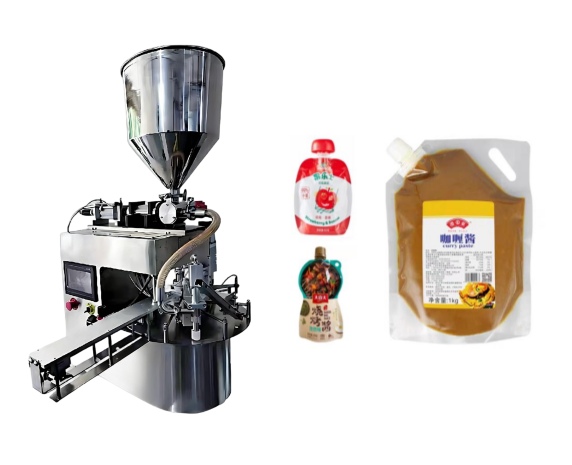
Applications: Spout bags are commonly used for children's fruit puree, nut butter, curry sauce, ketchup, salad dressing, etc., with filling volumes generally between 50 grams and 1000 grams.
Machine Types: Mainly divided into single-head and double-head filling and capping machines. Single-head machines are suitable for startups, requiring less space; double-head machines double the efficiency and are suitable for medium-sized production.
Core Actions: The equipment needs to automatically complete a series of actions including bag loading, positioning, filling, cap sorting, and capping.
Bottled products are the preferred choice for showcasing a high-end sauce brand image. The bottle is ideal for labeling and offers excellent capping sealing or vacuum crimping or cap pressing.
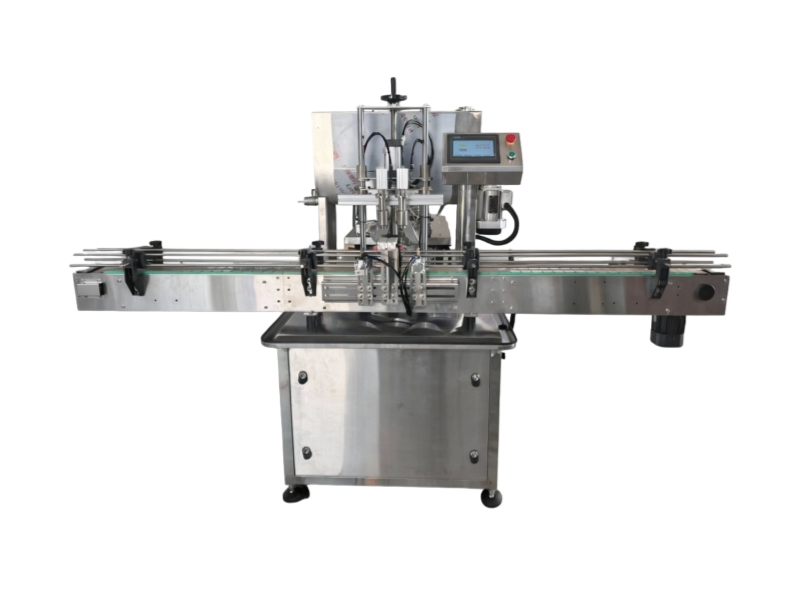
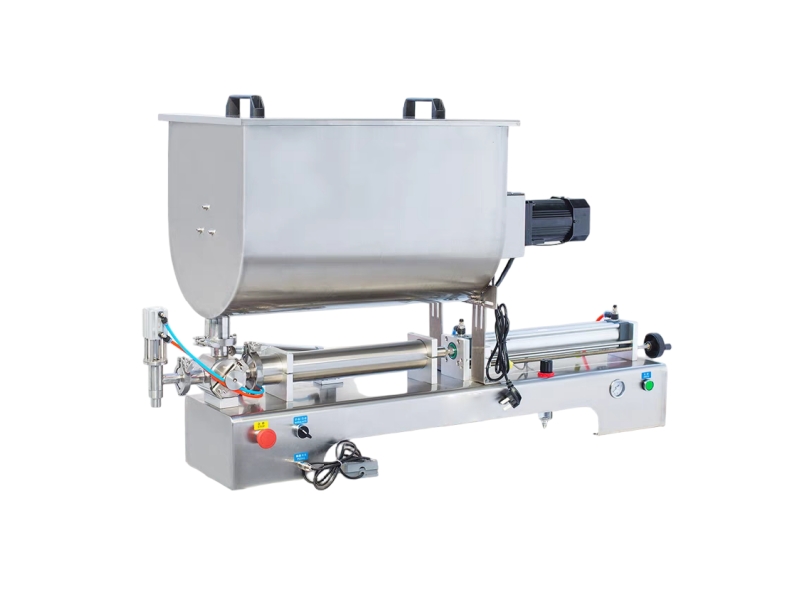
Classification: SLSF series semi-automatic bottle filling machines and SLJF-1 and SLMF model automatic single-head and multi-head filling machines to suit different speed requirements.
Customized Design: Suitable for various bottle types including round, square, and irregularly shaped bottles, as well as different filling volumes, with corresponding customized conveyor line designs.
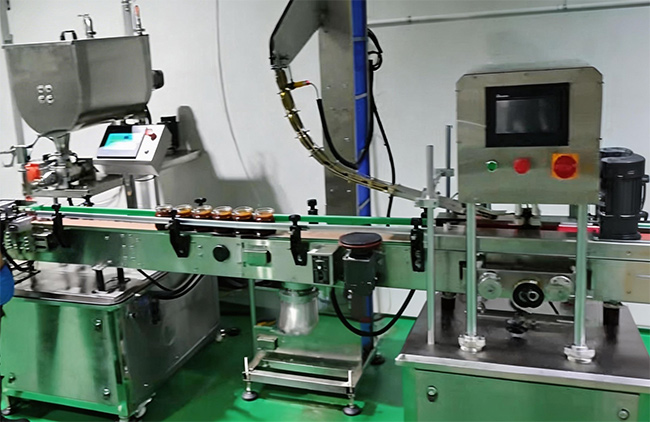
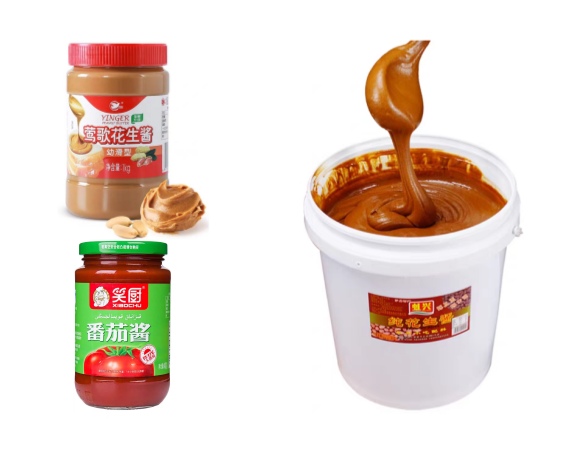
Glass Bottles: For 50-500g mayonnaise, nut butter, jam, hot sauce, chili sauce, etc. Chain conveyor lines are commonly used; they are wear-resistant.
PET Bottles: For 50-500g edible oil-based sauces or ketchup; they are lightweight. Belt conveyor lines or chain conveyor lines are commonly used.
Buckets: For 1-20kg industrial containers used in the catering industry, such as nut butter, bean paste, hot sauce, salad dressing, etc. Chain conveyor or roller conveyor systems are required; they have high load-bearing capacity.
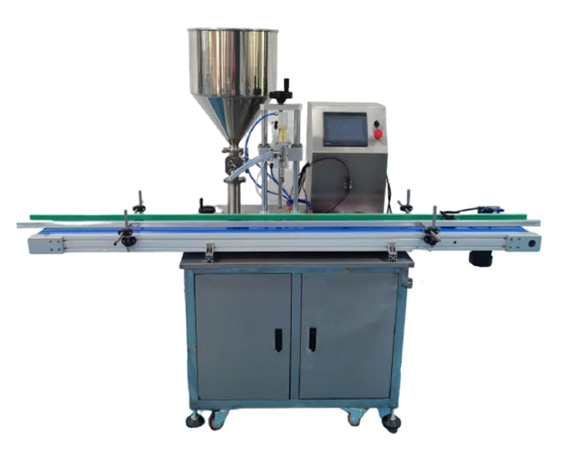
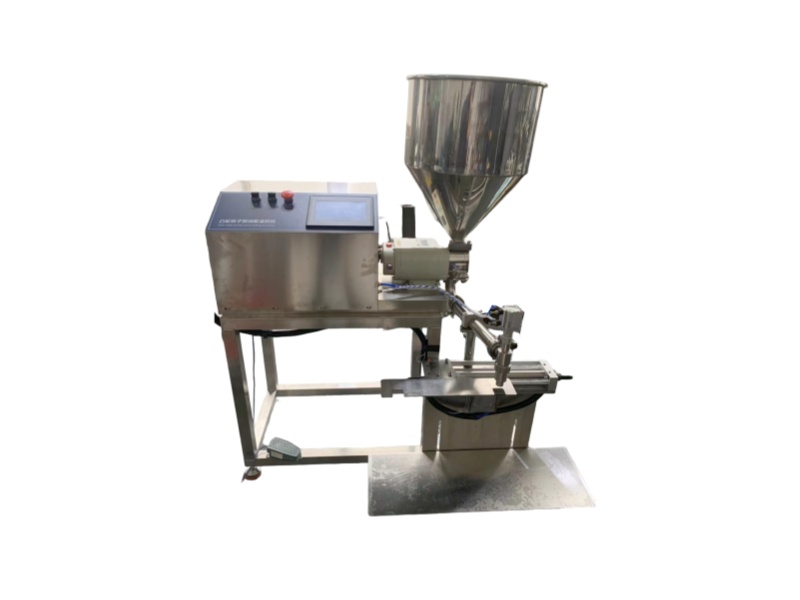
Semi-automatic single/multi-Head Filling Machine: For flexible production with small batches and multiple runs. Manual bottle placement is required. Low investment cost and wide filling volume range, adjustable from 5ml to 5L. For volumes exceeding 5L, repeat filling or increase filling time.
Automatic Filling Line: Such as single head, 4-head, 8-head, lines, suitable for medium to large-scale production, significantly improving efficiency. Typically includes bottle washing, filling, capping, labeling, and coding. Prices range from US$20,000 to over US$100,000, mainly depending on the number of filling heads and the degree of automation.
Applicable sauces: Sweet and sour sauce, salad dressing, chili sauce, ketchup, condensed milk, etc. They are usually in 30-50g filling range, certainly, for large filling range from 30g to 500g, we can also do.
The demand for cup-packaged sauces has surged with the rise of ready-to-eat meals. Since ready-to-eat meals typically require smaller portions, usually serving as a single-serving dipping sauce, cup packaging perfectly meets this requirement.
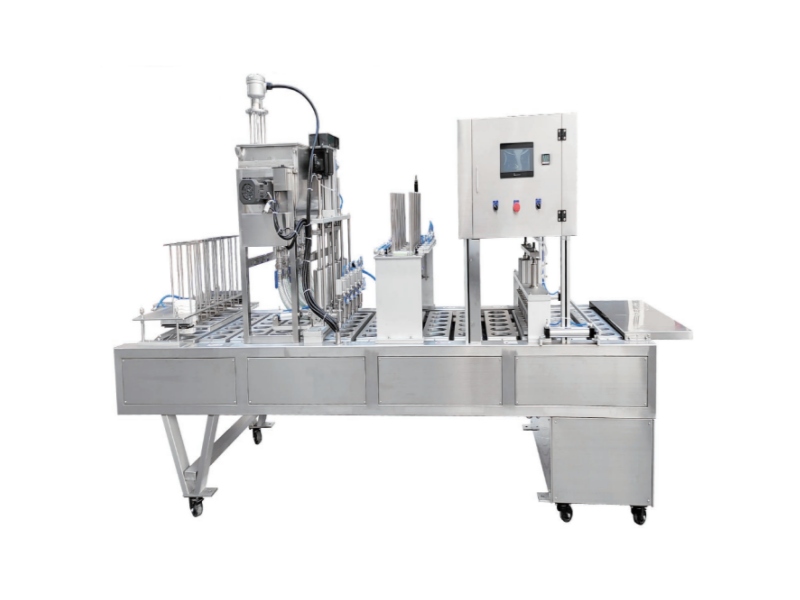
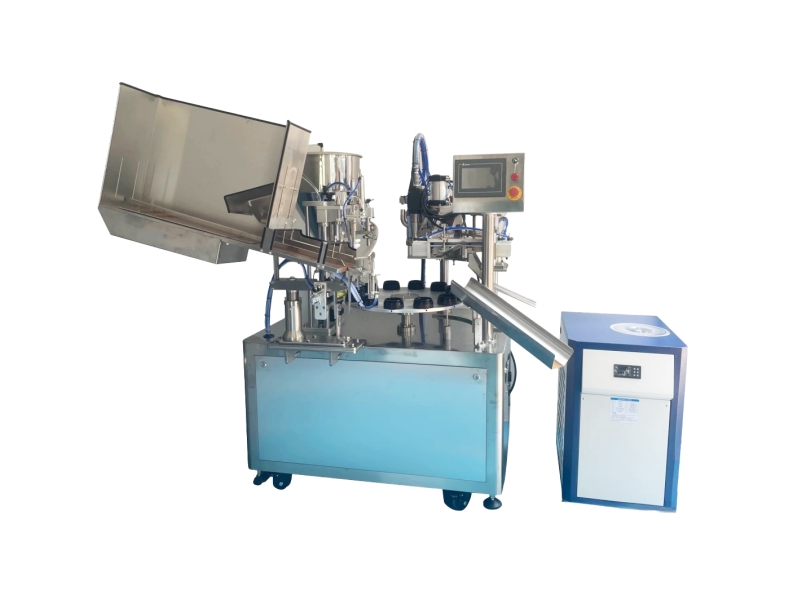
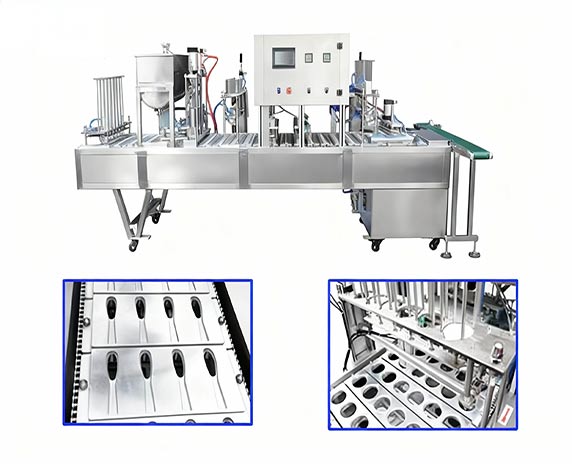
Equipment classification: SLCF series semi-automatic and automatic cup filling and sealing machines, rotary and linear types.
Highly Integrated Functions: Cup-filling equipment typically refers to an integrated filling and sealing machine, featuring automatic cup dropping, automatic filling, automatic film rolling, film covering and cutting (automatic sheet film placement), automatic heat sealing, and coding (optional).
Customization: Dosing pumps, cup dropping molds, cup holder molds, etc., all support customized designs based on the actual food sauce and cup size.
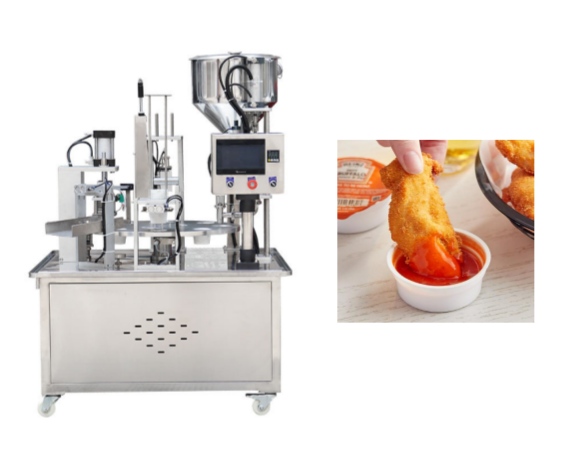
Semi-automatic single-head model: Manual cup placement, filling, and sealing; simple structure, affordable price, suitable for sample production or small stalls.
Fully automatic multi-head model: Such as 4-head, 6-head, or 8-head filling valves. High degree of automation, usually with CIP cleaning function to ensure hygiene and safety.
Having understood the above-mentioned specific dimensions, you can comprehensively consider the following eight aspects when faced with the dazzling array of food sauce filling machines on the market. We also welcome direct consultation. Because filling machines are highly customized, professional analysis and judgment are still necessary.

Sauce Characteristics
Is it particulate or fluid? What is the particulate size? This determines the dosing pump.
Packaging Form
What specific sauce package you are using? This determines the main structure of the production line.
Filling Volume and Speed
What’s the filling volume and the daily production need? This determines whether to choose a single-head or multi-head pump, and a single-lane or multi-lane machine.
Filling Accuracy
High-value sauces require high-precision pumps with servo control.
Bag and Bottle Design
Is a V-shaped cut, irregularly shaped bag, or special bottle neck required? This affects mold costs and equipment compatibility.
Integration and Coordination
Does it need to be integrated with a laser marking machine, bottle unscrambler, or conveyor belt? Consider the stability of the entire production line.
Ease of Cleaning
Sauces are oily, so whether the equipment supports quick disassembly and thorough cleaning directly affects production changeover efficiency and food safety.
Budget Range
For the semi-automatic and automatic multi-head filling equipment, the price gap is huge. You can consider the budget limit first.
Provide you with the industry`s best solutions

Offer the pre-sales and after-sales technical support
Back to Top
We are devoted to the R&D, production and selling of the grinder machine, mixer machine and filling machine for the food factories. They work for the dry and wet food.
0086 150-5215-2936

 English
 French