


 English
 French
How to Make Curry Powder from Spices
By:Salinovate Team Dec 12,2025
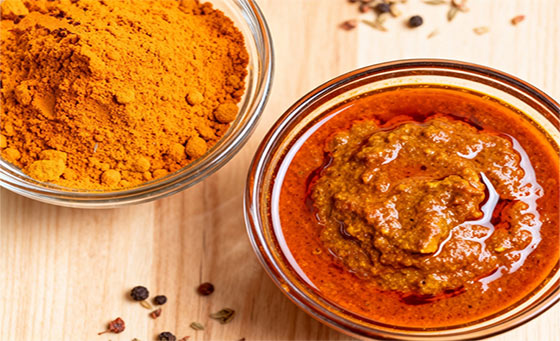
From the rich masala of Indian streets to the tangy and spicy Tom Yum of Thailand, from the warm curry rice of Japanese homes to the British national dish, curry chicken—this complex flavor, a blend of various spices, has long transcended geographical boundaries. And at the heart of all these flavors often lies a jar of magical powder, golden or dark brown: curry powder.
So, have you ever wondered how to make curry powder from spices? This article will unveil the secrets for you.
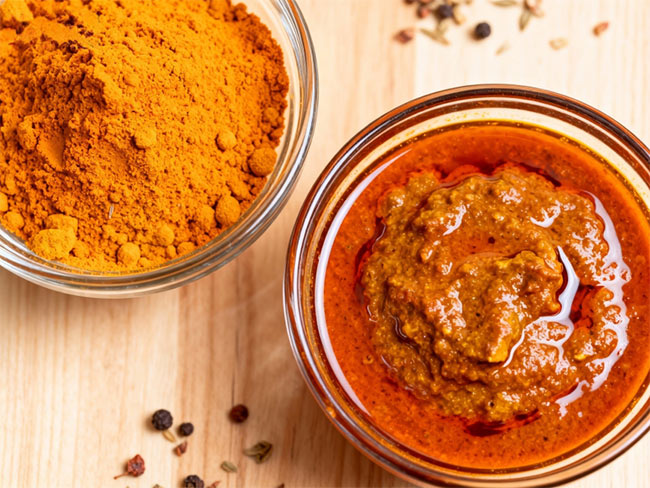
I. The Flavor Universe of Curry Powder: More Than One Recipe
First, let's dispel a myth: There is no single standard curry powder recipe. It's more like a flavor palette composed by regional cultures, where different proportions of spices create vastly different flavor worlds:
1)Indian Flavor Foundation: Centered around turmeric (giving it its signature golden color and earthy spiciness), coriander seeds, and fennel(warm smokiness). This is complemented by the heat of chili, the sharpness of black pepper, and a complex aromatic layer built from cardamom, cinnamon, and cloves, resulting in a strong and layered style.
2)Thai Flavor Soul: In addition to some shared spices, it emphasizes the fresh sourness of lemongrass, galangal, lime peel, and the savory flavor of shrimp paste(usually not in the powder itself, but essential to its flavor profile), creating an overall fresh, sour, and spicy flavor.
3)Japanese Mild Style: Mild and slightly sweet. In addition to basic spices, it often incorporates fruity sweeteners such as apple and honey (as seen in the finished product), and uses less chili, focusing more on a smooth texture and balanced flavor.
Understanding these basic flavor structures is the first step in creating your own curry powder.
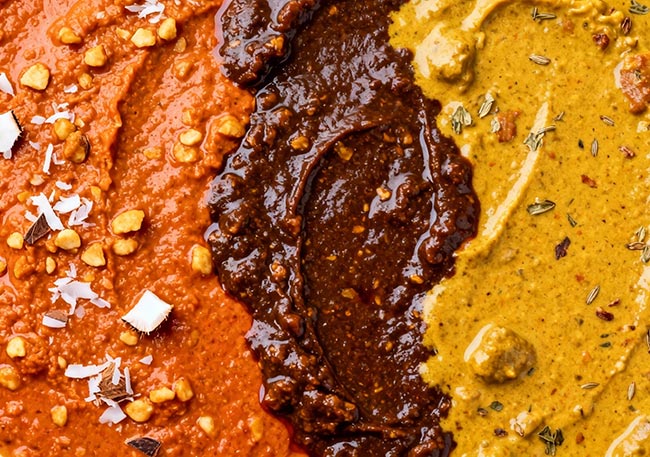
II. Core Process: The Art of Grinding and Blending
Transforming hard spices into a uniform, fine, and blended powder relies on two key processes.
1)Grinding Process: Releasing Sealed Aromas
The essence of spices(volatile essential oils and flavor compounds) is sealed within their cell walls. Grinding is not merely about physically reducing size; it's about breaking down cell walls to thoroughly release these flavorful elements.
Pre-treatment: For hard spices like fennel and coriander seeds, dry-roasting is recommended. Stir-roasting over low heat until fragrant; this removes excess moisture, enhances deeper nutty flavors, and makes subsequent grinding easier.
Grinding Considerations: Ideal curry powder isn't necessarily the finer the better. Overly fine powders (e.g., over 200 mesh) oxidize quickly during storage, losing their aroma, and are prone to clumping during cooking. A fineness of 30-80 mesh typically strikes a good balance between a smooth texture, lasting flavor, and ease of use.
2)Blending Process: A Harmonious Symphony
The precise and uniform blending of various finely ground spice powders is crucial to the final flavor harmony. Blending is not merely a physical mixing process; it allows molecules of different aromas to come into contact and fuse, forming the initial chemical starting point for complex flavors. Uniformity is paramount; any localized imbalance will affect the consistency of the final product's flavor.
III. Equipment Selection: From Small Batch to Large Batch Production
Salinovate has different types of spice grinder and mixer machines for different production scale and requirements.
1)Grinder Machine: From Lumps to Powder
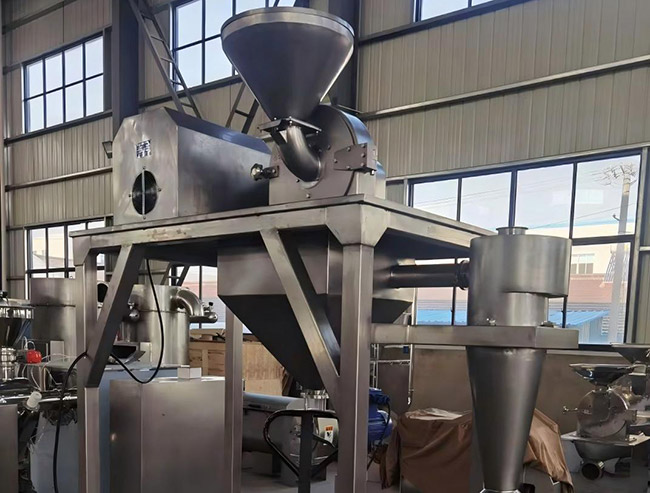
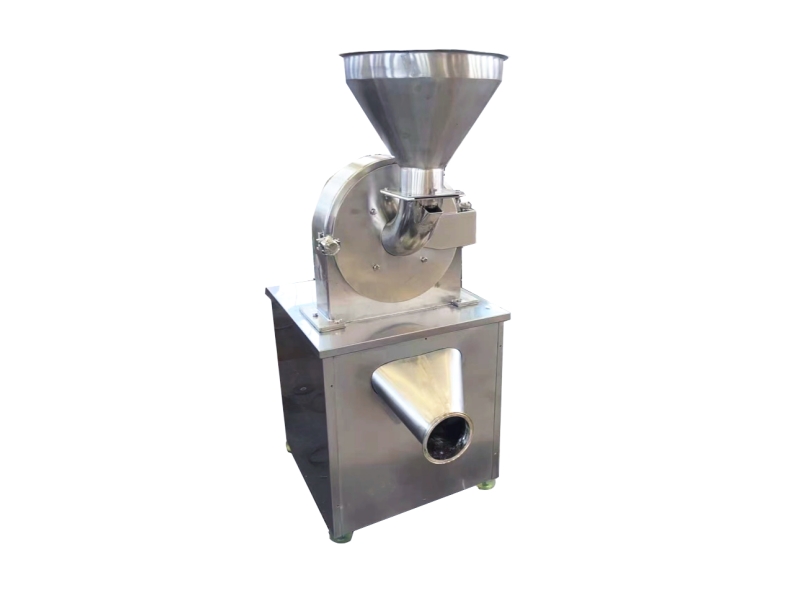
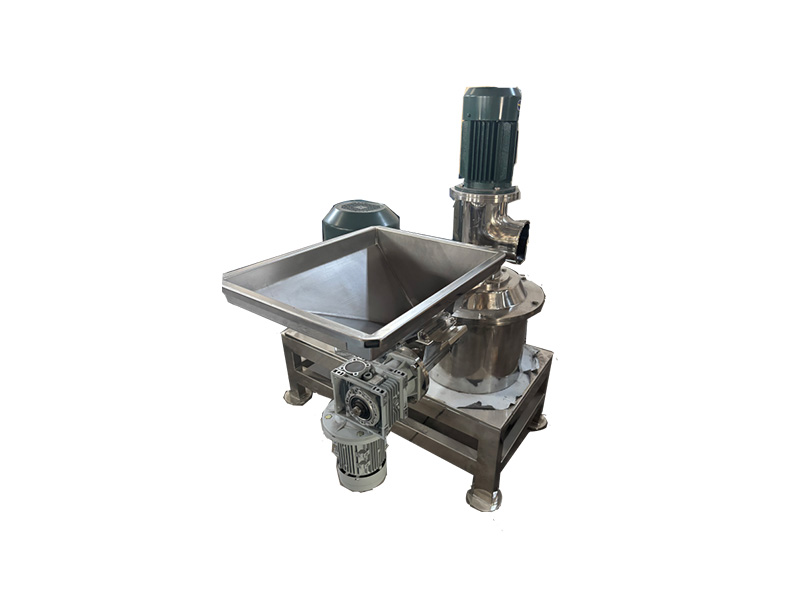
For small workshops/commercial startups, our SLU series universal grinder is very suitable. The capacity is basically 20-100kg/h depending on specific models. It is far more efficient than household equipment, making them a cost-effective choice for small-scale production.
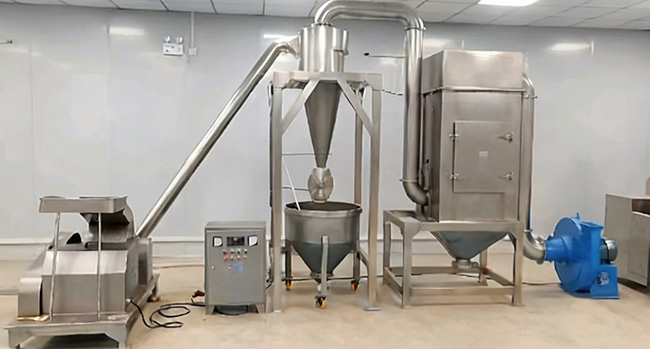
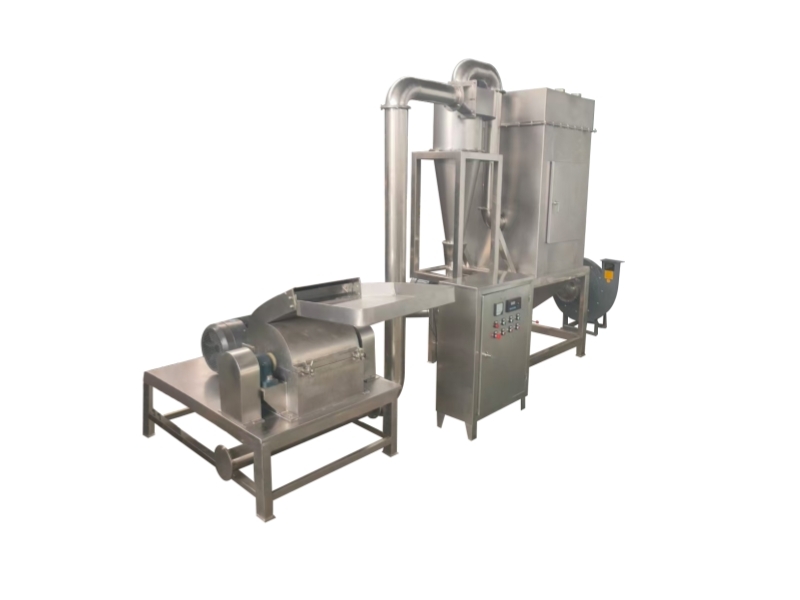
When you need to get medium to large-scale production, our SL series hammer mill and SLA ultra fine grinder can be your selections. The grinders support air-cooling systems to prevent heat generation from high-speed friction from damaging spice flavor. Customization is available to meet target fineness requirements.
2)Mixing Equipment: For Uniform Flavor Blending
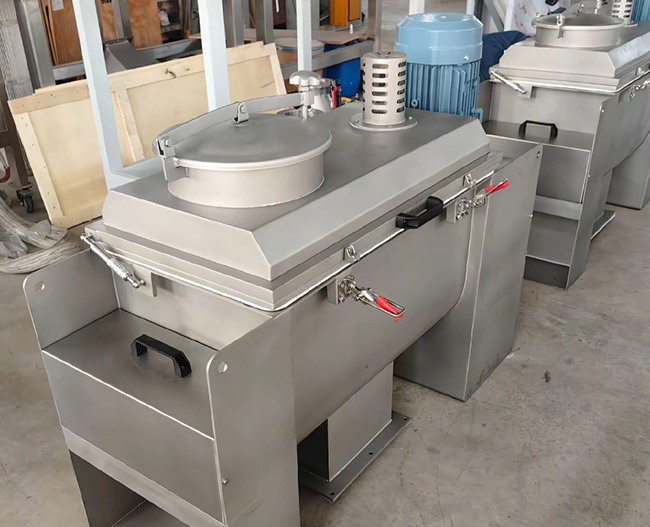
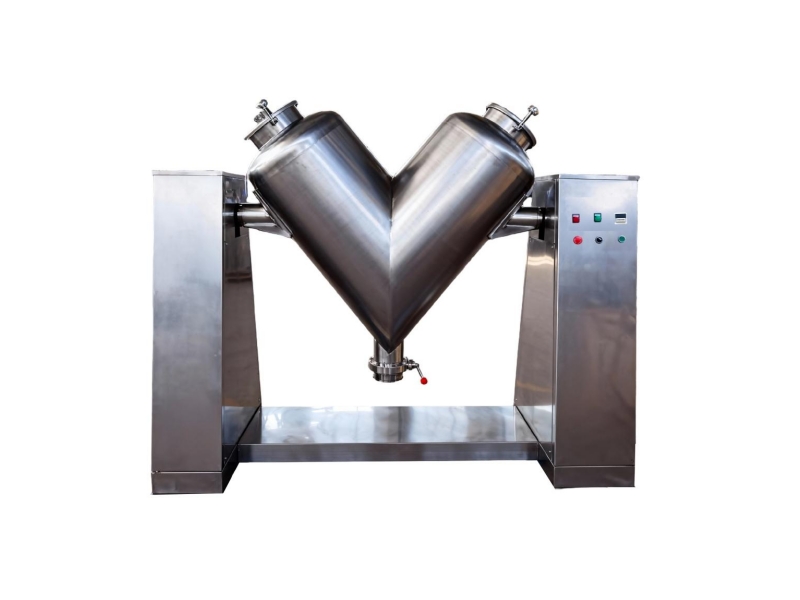
SLV series v shape mixer: It is a cost-effective mixing option, with a simple V barrel and the support base. The mixer rotates its barrel to mix the inside powder materials. Certainly, we suggest to add the forced mixing paddles inside the mixer when it is used for curry powder mixing.
SLR series ribbon mixer: The mixing U shaped container is fixed. The rotating internal ribbon pushes materials from both ends towards the center, creating a gentle yet effective three-dimensional convection mixing. It can reach high efficient mixing performance when used for spice powder mixing.
IV. Summary: Steps and Equipment Selection Tips
Back to the core question: How to make curry powder from spices? It's a systematic project that integrates creativity and craftsmanship.
Standard Five-Step Process:
1)Recipe Design: Determine your flavor profile, select spices, and determine experimental proportions. It's recommended to start with a classic framework and fine-tune it.
2)Pre-treatment: Roast and cool spices that require dry roasting separately to bring out their optimal flavor.
3)Grinding: Grind spices using appropriate equipment based on their hardness, oil content, and desired fineness. Spices of different hardness can be processed in batches.
4)Precise Mixing: Weigh all spice powder according to the recipe and add them to a mixing device for thorough and even mixing.