


 English
 French
An industrial sauce production line usually includes raw-material preparation, grinding, mixing, cooking, cooling, temporary storage and filling. Temperature control connects these stages and directly affects product texture, viscosity, color, filling accuracy and production efficiency. Whether the factory produces chili sauce, tomato sauce, fruit jam, mayonnaise, cheese sauce or nut butter, the heating and cooling system should be considered together with the processing equipment.

Main Production Stages
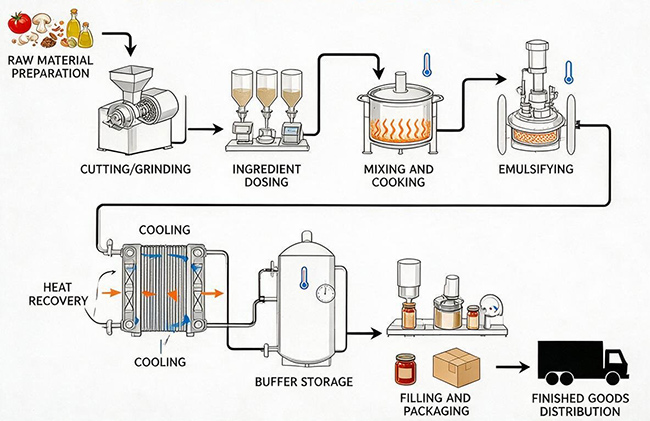
A typical sauce production process may include:
1. Raw-material preparation
2. Cutting, crushing or grinding
3. Ingredient dosing
4. Mixing and cooking
5. Emulsifying or homogenizing
6. Cooling
7. Buffer storage
8. Filling and packaging
The equipment configuration depends on the product formula. Sauces containing particles or fibres require different processing equipment from smooth, emulsified products.
Selecting the Cooking Mixer
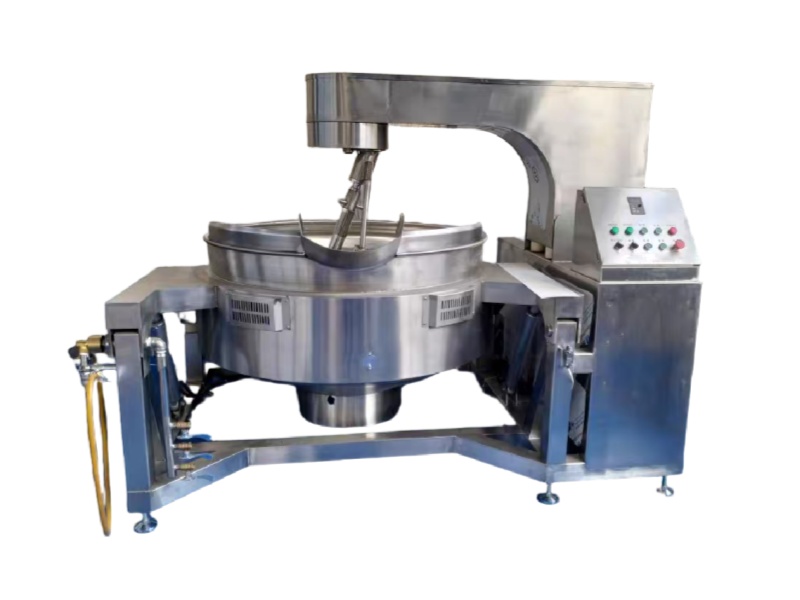
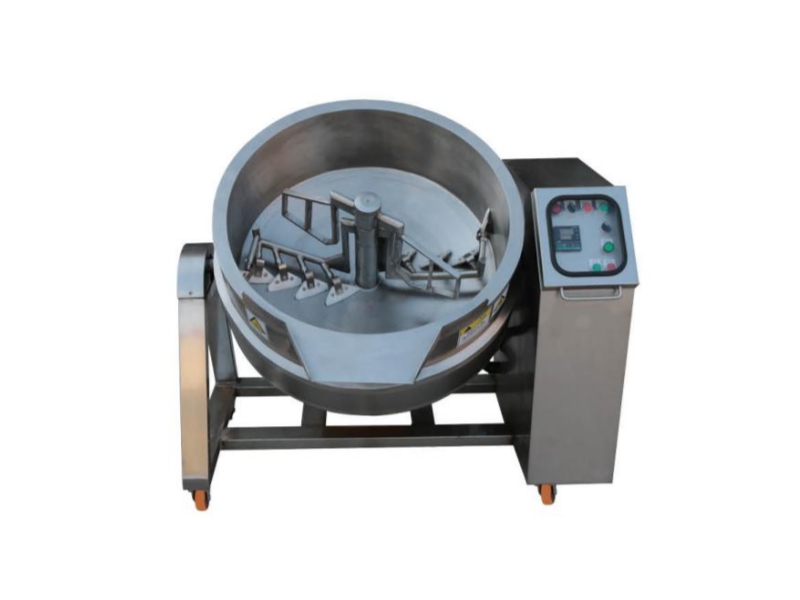
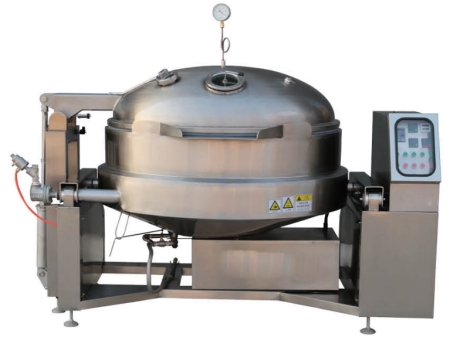
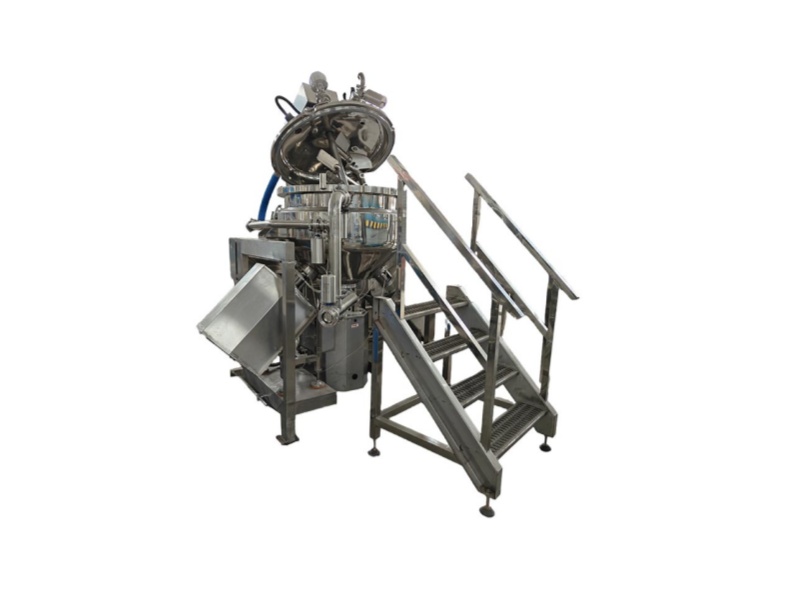
The cooking mixer is one of the most important machines in a sauce production line. It combines mixing and heating, while some models may also include cutting, scraping, vacuum treatment or homogenizing functions.
A planetary cooking mixer is suitable for many viscous products because the agitator continuously moves material across the bottom and sides of the vessel.
A vacuum cooking mixer or vacuum emulsifying mixer may be selected when the process requires air removal, oxidation control or a smoother product texture.
Different cooking mixer configurations should be evaluated according to the product viscosity, batch capacity, heating temperature and required texture.
Choosing the Heating Method
Industrial cooking mixers may use:
• Electric heating
• Steam heating
• Gas heating
• Thermal-oil heating
• Hot-water circulation
Electric heating is relatively easy to install and is often suitable for smaller production lines.
Steam heating can provide faster heating for larger batches, but the steam pressure, condensate drainage and temperature-control system must be properly designed.
Hot water circulation provides gentler and more stable heating, making it suitable for products that should not be exposed to excessively high surface temperatures.
The final choice depends on the batch size, required cooking temperature, heating time and available factory utilities.
Heating Through a Jacketed Vessel
Many sauce mixers use a jacket around the processing vessel. Steam, hot water or thermal oil flows through the jacket and transfers heat through the tank wall.
The jacket keeps the heating medium separated from the food product. However, stable heating also requires sufficient circulation flow, accurate temperature measurement, suitable insulation and effective mixing inside the vessel.
If the heating medium temperature or flow rate changes significantly, the cooking time may vary between batches.
Using an External Plate Heat Exchanger
An external heat exchanger can be installed between the factory utility source and the clean water circuit connected to the mixer jacket.
For example, the primary side may receive boiler water or another industrial heating fluid, while the secondary side supplies clean hot water to the processing equipment. A gasketed plate heat exchanger can help separate the primary utility circuit from the jacket circulation loop. This arrangement may provide several benefits:
• Separation of different water qualities
• More stable jacket-water temperature
• Easier system maintenance
• Reduced contamination between utility circuits
• Flexible expansion of the production line
• Opportunities for heat recovery
The heat exchanger must be selected according to the required heating capacity, flow rate, inlet and outlet temperatures, operating pressure and allowable pressure drop.
Cooling After Cooking
Some sauces are hot filled, while others must be cooled before entering the filling machine.
Cooling can be completed by circulating chilled water through the mixer jacket. A separate cooling or buffer tank may also be installed after the cooking stage. The cooling system should be designed according to:
• Product batch volume
• Initial and final temperatures
• Required cooling time
• Cooling water temperature
• Product viscosity
• Agitation speed
• Vessel heat-transfer area
Viscous products usually require continuous agitation during cooling. Without sufficient mixing, the material close to the vessel wall may cool much faster than the product in the center.
Direct Product Cooling
Smooth and pumpable sauces may sometimes pass directly through a hygienic heat exchanger before filling.
However, direct cooling is not suitable for every product. The equipment supplier should evaluate the product viscosity, particle content, maximum particle size, flow rate, cleaning requirements and allowable pressure drop.
Sauces containing large particles, fruit pieces or long fibres may block narrow heat-exchanger channels. These products may require a wide-channel design or cooling through a jacketed vessel.
Temperature Control Before Filling
Filling temperature affects both the sauce and the packaging process.
When the product is too hot, it may damage certain plastic containers. When it is too cold, the viscosity may increase and reduce filling accuracy.
A buffer tank can be installed between the cooking and filling stages to maintain a stable product temperature and supply.
The tank may include a slow-speed agitator and a heating or cooling jacket. The filling machine can then receive the product at a more consistent temperature.
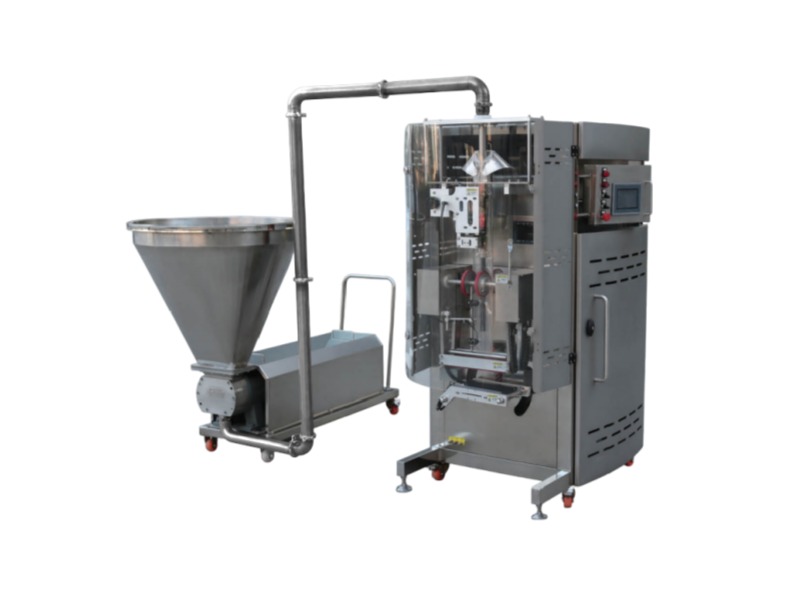
Bottle, bag, cup and other food sauce filling solutions should be selected according to product viscosity, packaging type and required production capacity.
Heat Recovery
Food production lines often heat one stream while cooling another.
Heat removed from a hot product, cleaning-water return or utility stream may be used to preheat incoming water. This can reduce steam consumption, electrical demand, boiler load and cooling-water usage.
An intermediate clean water circuit may be used when direct heat recovery between two process streams is not suitable.
Information Required for System Design
Before selecting the equipment, the buyer should provide:
• Product type and ingredients
• Viscosity and particle content
• Batch capacity
• Heating and cooling temperatures
• Required processing time
• Available steam, water or electrical power
• Filling capacity
• Packaging format
• Cleaning requirements
• Installation space
Complete process data helps the supplier select the correct mixer, heating method, cooling system and filling equipment.
Conclusion
An efficient sauce production line requires coordinated grinding, mixing, heating, cooling and filling processes.
By integrating jacketed vessels, circulation systems, buffer tanks and plate heat exchangers, manufacturers can achieve more stable temperatures, shorter batch cycles, consistent product quality and improved energy efficiency.