


 English
 French
When searching for the best pin mill manufacturer, many buyers focus only on machine price, production capacity, or appearance. However, selecting a pin mill supplier is not simply purchasing a grinding machine. A pin mill is part of a complete powder processing system, and the wrong equipment selection can lead to problems such as:
• Unstable powder quality
• Excessive heat generation
• Low production efficiency
• Difficult cleaning and maintenance
• Unexpected downtime
• Higher operating costs
A reliable pin mill manufacturer should not only provide a machine but also provide professional powder processing knowledge, application experience, and long-term technical support. Here Salinovate team guides you how to evaluate key factors before choosing a pin mill manufacturer.

I. Does the Manufacturer Understand Your Material
The first difference between an equipment seller and a professional pin mill manufacturer is whether they understand your raw material. A good supplier should not immediately recommend a machine based only on capacity requirements.
Before selecting a pin mill, they should ask:
• What material do you want to grind?
• What is the moisture and oil content?
• Is the material heat-sensitive?
• What particle size do you need?
• What is your expected production capacity?
• Is continuous production required?
Different materials behave differently during grinding. For example:
• Sugar requires excellent powder fineness.
• Spices require preservation of aroma and color.
• Pharmaceutical ingredients require strict contamination control.
• Chemical powders may require special wear-resistant components.
A manufacturer with real application experience will recommend the grinding solution based on material characteristics rather than simply selling a standard machine.
II. Evaluate the Manufacturer’s Grinding Technology Experience
A pin mill looks simple from the outside, but grinding performance depends heavily on internal design. When comparing manufacturers, pay attention to:
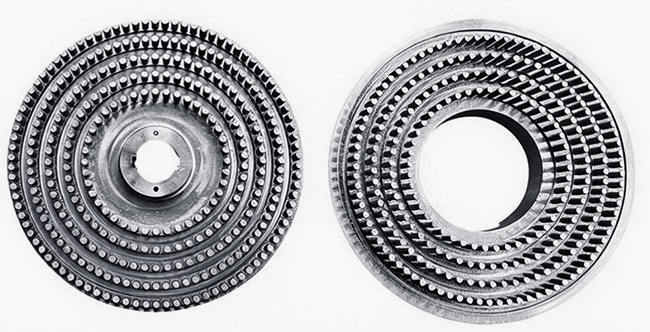
2.1 Pin Structure Design
The arrangement, shape, and material of the pins directly affect:
• Grinding efficiency
• Particle size distribution
• Energy consumption
• Wear resistance
A professional manufacturer should be able to explain why a specific pin configuration is selected for your application.
2.2 Grinding Chamber Design
A good grinding chamber should consider:
• Smooth material flow
• Reduced dead zones
• Easy cleaning
• Lower material retention
This is especially important for food and pharmaceutical applications.
2.3 Speed Control and Heat Management
High-speed grinding naturally generates heat. A reliable manufacturer should understand how to control temperature through:
• Optimized rotor speed
• Cooling jacket design (when required)
• Air cooling system
• Proper feeding control
Simply increasing speed does not always improve grinding performance.
III. Check Whether They Provide Material Testing
One of the most important questions when selecting the best pin mill manufacturer is, “Can they test my material before recommending the machine?”
Professional suppliers usually provide material testing because laboratory results help confirm:
• Suitable grinding technology
• Expected particle size
• Production capacity
• Temperature increase
• Final powder quality
A supplier who understands your material behavior can reduce the risk of selecting unsuitable equipment. Before placing an order, you should ask:
• Can I send my material sample?
• Can you provide grinding test results?
• Can you show powder samples?
• Can you provide videos of similar applications?
Real testing experience is often more valuable than general technical specifications.
IV. Look Beyond Machine Price
Price is an important factor, but the cheapest pin mill is not always the most economical choice. A low-cost machine may result in:
• Higher energy consumption
• More frequent maintenance
• Shorter service life
• Unstable powder quality
• Difficulty obtaining spare parts
When comparing quotations, consider the total ownership cost:
1)Machine Reliability
You can check the component brand and raw material quality:
• Motor brand
• Bearing quality
• Material thickness
• Processing accuracy
• Component suppliers
2)Maintenance Requirements
The following maintenance related questions are advised to ask:
• How often should wearing parts be replaced?
• How easy is cleaning?
• How quickly can spare parts be supplied?
3)Long-Term Technical Support
A reliable manufacturer should continue supporting customers after delivery. You can ask:
• Do you provide installation guidance?
• How do you support overseas customers?
• Are spare parts available?
V. Final Thoughts: The Best Pin Mill Manufacturer Is the One Who Understands Your Process
The best pin mill manufacturer is not necessarily the largest company or the cheapest supplier. A truly reliable manufacturer should combine:
• Powder processing experience
• Engineering capability
• Manufacturing quality
• Application knowledge
• Technical service
Choosing the right partner at the beginning can help you achieve stable production, consistent powder quality, and lower operating costs throughout the machine’s lifetime. When evaluating pin mill suppliers, focus on technical capability and long-term value but not only the initial quotation.