


 English
 French
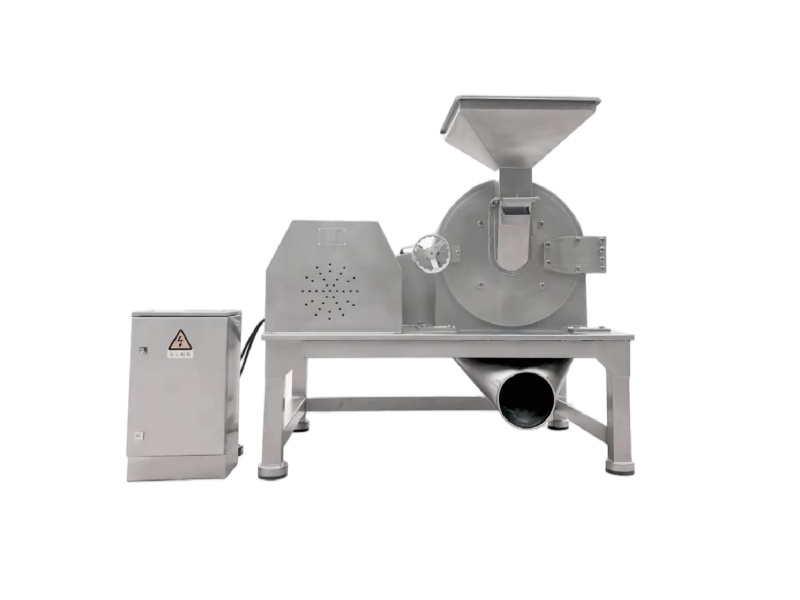
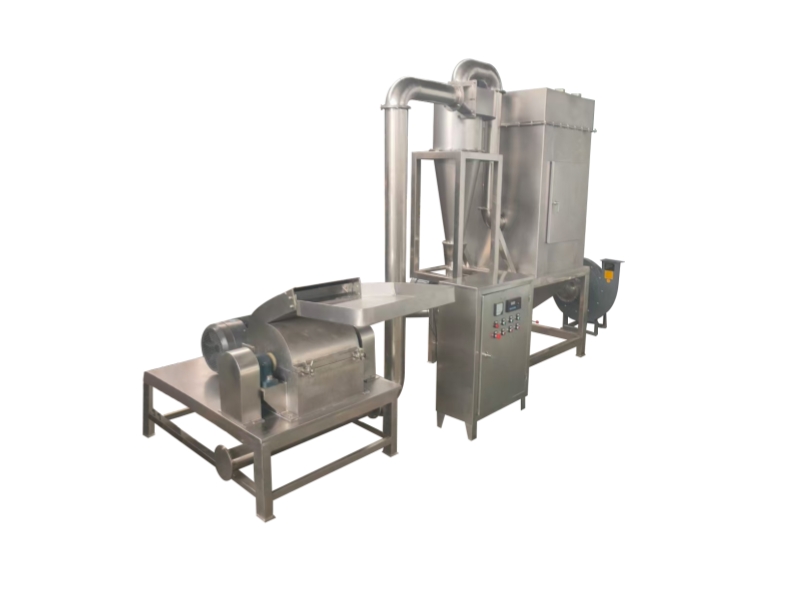
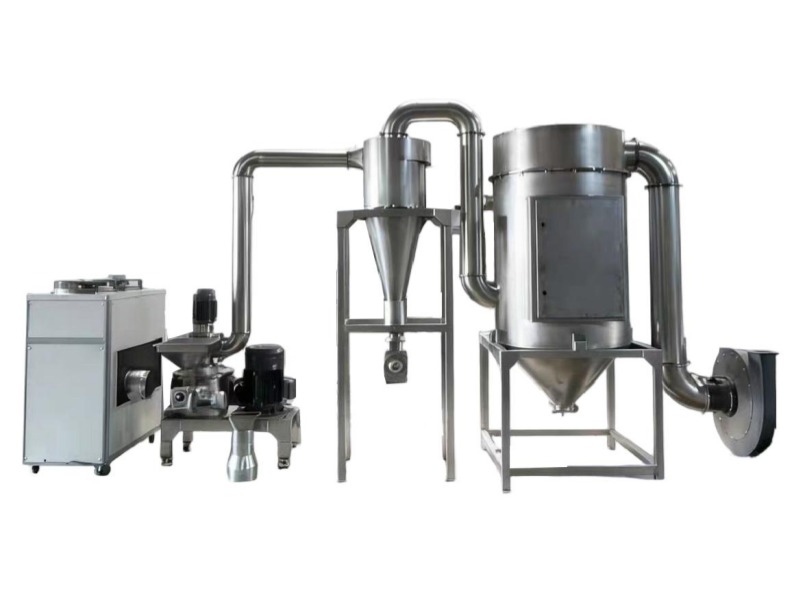
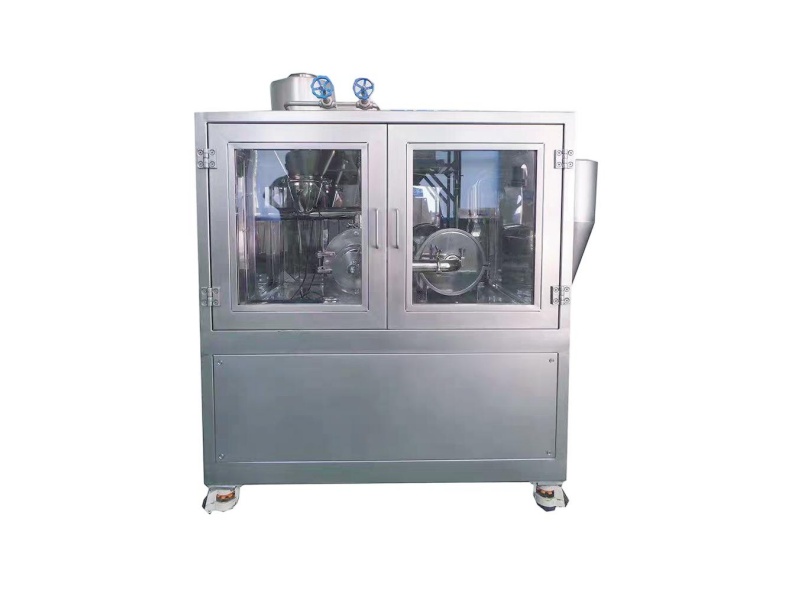
Salinovate team have encountered many customers who have purchase needs for the powder grinder. Many of them requested for a best grinder for power making. So, what is the best grinder for powder making? There are pin mills, hammer mills, air classifier mill, universal grinders, cryogenic grinder, etc powder grinder types on the market. Each type has their different features and advantages, thus there isn’t a single “best” grinder for every application. The right powder grinding machine depends on four key factors:
• Material properties
• Required particle size
• Production capacity
• Industry requirements
For example, a hammer mill may be ideal for most spices, while an air classifier mill is often better suited for ultra fine sugar powder, leaf powder, rice flour, etc making.
I. Four Questions to Answer Before Choosing a Powder Grinder
Before finding the right powder grinder, let us first consider these four questions.
1.1 What Material Are You Grinding?
Dry materials vary in terms of fiber, sugar, and oil content, as well as brittleness and hardness. Different grinders yield different results depending on the type of material being processed. The following table outlines common dry materials and their typically paired powder grinders. Please kindly note that this is for reference only, as some customers may have specific requirements regarding the grinding results for certain materials.
Raw Material | Recommended Machine | Reason |
Herbal Leafs | Air classifier mill | Easy to grind high fiber materials into fine powder |
Mustard seeds | Cryogenic grinder | Freezing temperature, easy to handle high oil spices |
White Sugar | Universal grinder, air classifier mill, pin mill, hammer mill, etc | Granulated sugar is very easy to crush, many powder grinders are suitable for the task. |
Red pepper | Universal grinder, hammer mill | Moderate oil content, common grinders are suitable. |
1.2 What Particle Size Do You Need?
Different powder grinders bring out varying final powder particle sizes when processing different dry raw materials.
Sample Table:
Particle Size | Typical Equipment |
10-120 mesh | Hammer mill |
10-400 mesh | Pin mill |
10-120 mesh | Universal grinder(hammer type, knife type, beating hammer, turbine type, disc type) |
10-1500 mesh | Air classifier mill |
40-300 mesh | Cryogenic grinder |
800+ mesh | Air jet mill |
Note: Even when using the same equipment, different materials can achieve varying levels of fineness by changing the screen or adjusting the classification speed; actual testing should be conducted to confirm the results.
1.3 How Much Capacity Do You Need?
Production capacity is a factor that cannot be overlooked; equipment is used by both small-scale processing plants and medium-to-large factories looking to expand output. We recommend clearly defining your current capacity requirements. The following table is for your reference to have a rough idea for the required capacity based on the production scale.
Production Scale | Required Grinding Capacity |
Small scale | 10-50kg/h |
Small to medium scale | 50-300kg/h |
Medium to large scale | 300-1,000kg/h |
Large scale | ≥1,000kg/h |
1.4 Does Your Industry Have Special Requirements?
The grinders are used not only in the food industry for producing spice powder, rice flour, bean powder, and the like, but also extensively in the pharmaceutical and chemical sectors for the production of various types of powders. Different industries may have specific requirements for these machines; the following is a brief overview of such requirements for reference.
Industry Type | Industry Requirement |
Food industry | Food-grade stainless steel 304, easy cleaning, dust collection, etc |
Pharmaceutical industry | GMP-oriented design, SS316L, easy cleaning, dust collection, etc. |
Chemical industry | Explosion-proof motor, explosion-proof control cabinet, dust collection, etc. |
II. Comparison of Common Industrial Powder Grinding Machines
Machine | Typical Fineness | Suitable For | Advantages | Limitations |
Hammer mill | Coarser to medium | Spices, herbs, grains, etc | Medium to high capacity | Not very fine powder size |
Pin mill | Coarse to fine | Sugar, spices, etc | High rotating speed | High temperature rise |
Air classifier mill | Fine to ultra fine | Chemicals, minerals, herbal roots, grains, etc | Precise particle control | Higher investment |
Cryogenic grinder | Middle to fine | Oily spices, high sugar materials | No temperature rise, no discoloration. | High operation cost |
Air jet mill | Ultra fine | High-value materials | Very fine powders | High investment |
III. Mistakes Buyers Often Make
When discussing powder grinder with clients, we often find that they tend to fall into the following four misconceptions:
3.1 Choosing Based Only on Price
Undeniably, price has always been a key factor influencing customer purchasing decisions. However, for certain specialized materials or strict customer requirements, low-cost grinding equipment models simply cannot meet the necessary standards. If the product fails to meet specifications, it ultimately cannot be brought to market.
3.2 Ignoring Material Properties
Virtually all companies provide capacity and fineness figures for their grinder machines that serve merely as general reference values; not all materials can actually meet those specific benchmarks. High-fat, high-moisture, or heat-sensitive materials often require different grinding solutions.
3.3 Not Testing the Material
Our team has encountered instances where clients in different countries processed materials of the same name using the same type of powder grinder but reported differing results. Variations in drying methods and other processing steps can lead to differences in oil content and dryness levels among the dried materials, thereby requiring different equipment configurations. If convenient, please send at least 3 kg of raw material to the Salinovate team for testing.
IV. How We Evaluate Powder Grinding Performance
Before recommending a machine, our engineers evaluate:
• Material type
• Oil content
• Moisture content
• Target particle size
• Required hourly capacity
• Temperature requirement
• Continuous or batch production
Based on the given details, Salinovate team will recommend the most suitable grinding solution relying on the years of deep cultivation in the grinder field. Certainly, the real material grinding test is the best to evaluate the final grinding performance. Still, we welcome all the customers to send your materials to our company for trial test use.
V. Conclusion
The best grinder for powder making depends on your material, required fineness, production target and production environment. Selecting equipment based on these factors is generally more effective than choosing solely by price or motor power. If you’re looking for a powder grinder machine now, welcome to consult with Salinovate team.