Chickpeas, renowned for their high protein, high fiber, and low-fat nutritional profile, have gained global popularity. Rich in eight essential amino acids, they also contain abundant folate, iron, phosphorus, and B vitamins, making them a favored ingredient among vegetarians, health enthusiasts, and the food industry. In daily diets, the two most common forms of chickpeas are chickpea flour (used for baking, pancakes, and thickening) and hummus (classic Middle Eastern dipping sauce). These widely beloved products rely on the critical process of grinding as their core manufacturing step. This article will delve into the industrial production methods, exploring how to grind chickpeas into fine powder or smooth paste by the professional machines.
Firstly, it is important to understand the common machines used for grinding chickpeas. There are generally three main categories, the first of which is a dry material grinder. Such type is commonly used for crushing dried chickpeas, and the finished product is chickpea flour. The second type is a cutter mixer that can crush cooked/soaked chickpeas into a paste, while supporting the addition of other ingredients such as sugar powder, chili powder, cooking oil, etc. to enhance flavor. The third type is colloid mill, the function of which is to grind the cooked chickpeas into very fine bean paste. The fineness is superior to the one mentioned in second category.
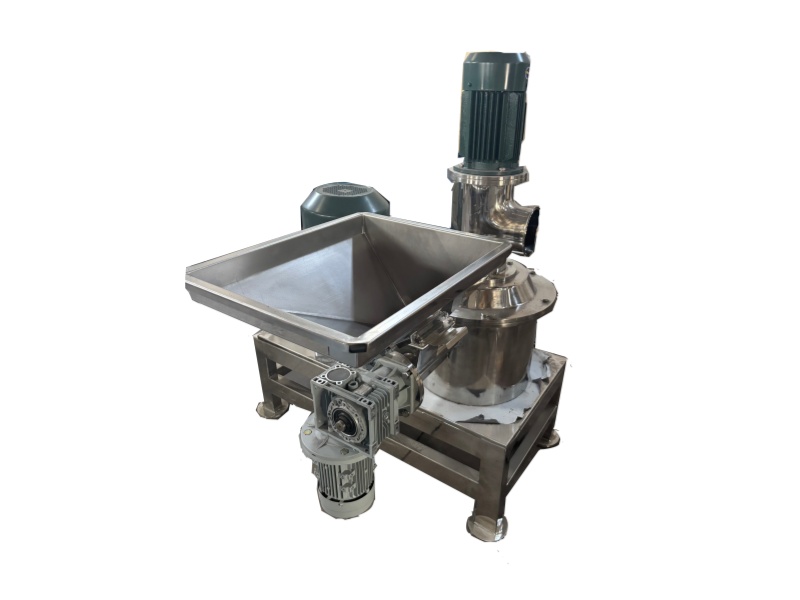
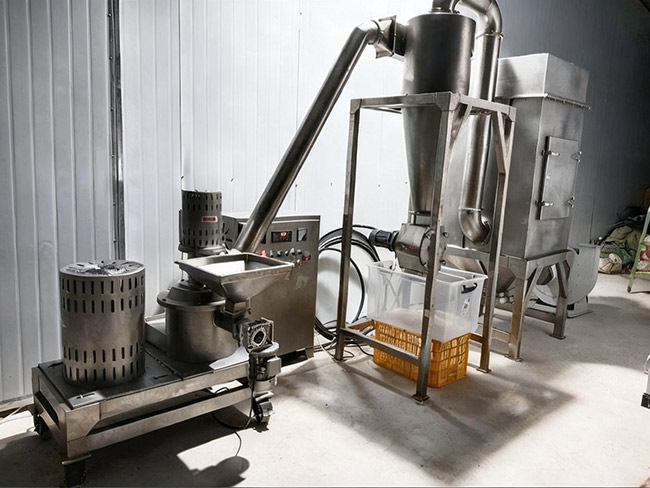
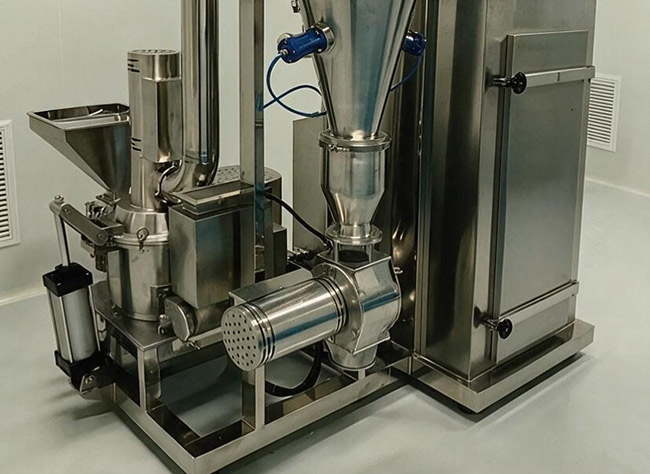
The dry food grinder is specifically for processing dried chickpeas, crushing them into an uniform powder through high-speed mechanical force.Grinder Model: SLU, SL, SLA, etc series
Material standard: The parts in contact with food are made of SS304, which meets food safety standards and is wear-resistant and corrosion-resistant, ensuring that the product is pure and pollution-free.
Convenient button operation: The function positions achieve automatic adjustment of feeding, crushing, dust removal, and discharging through buttons, ensuring batch stability.
Model lineage: According to working principle, it is mainly divided into hammer knife type screen grinder ( for medium fineness and high output) and airflow ultra fine grinder (obtain extremely fine and concentrated particle size distribution chickpeas flour).
Capacity configuration: Each type basically has small to large sizes from 20kg/h to 1500kg/h production capacity, meeting the needs of factories of different sizes.
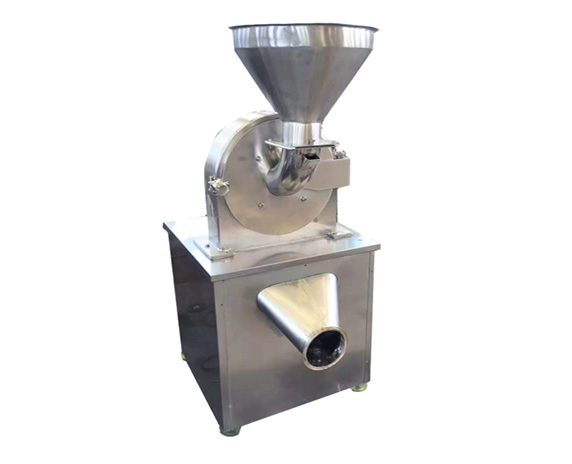
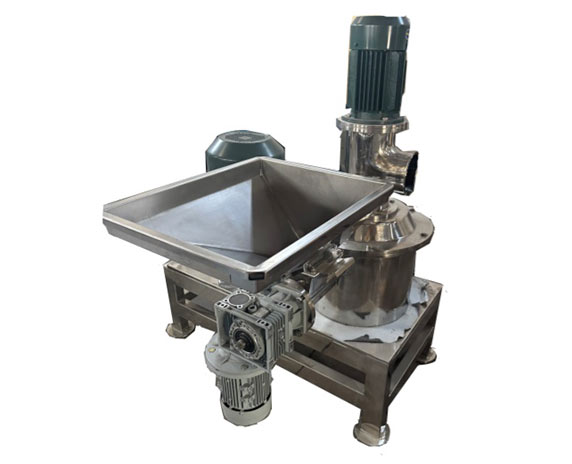
Core principle: The core of the equipment lies in the dynamic interactive system inside its crushing chamber. The cavity is usually equipped with high-speed rotating blades and fixed grinding disc, which achieve multiple crushing of the bean body through strong impact, shear, and friction.
Particle size control: By adjusting the gap between the moving blade and the fixed blade, the mesh size of the sieve, or using a grading system, the fineness of the finished powder can be accurately controlled. The range can range from coarse particles (around 60 mesh) to ultra fine powders (over 300 mesh, with a finer texture).
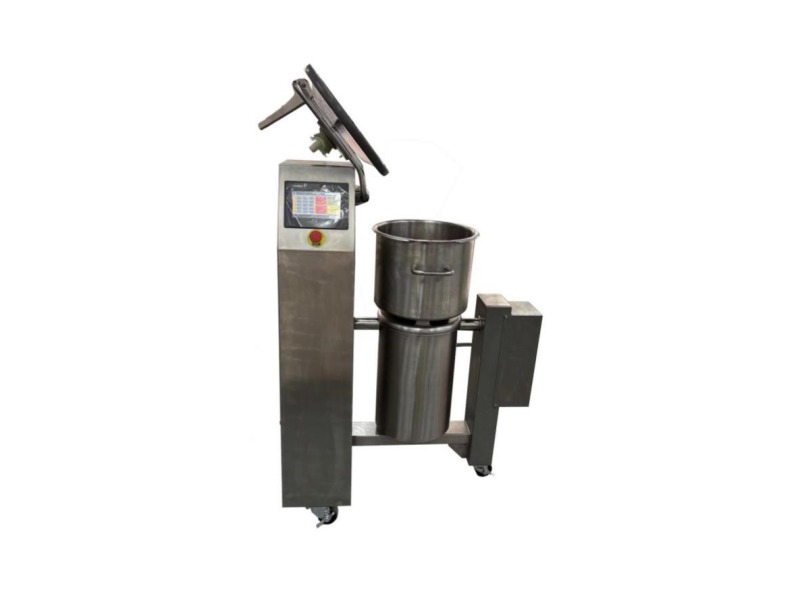
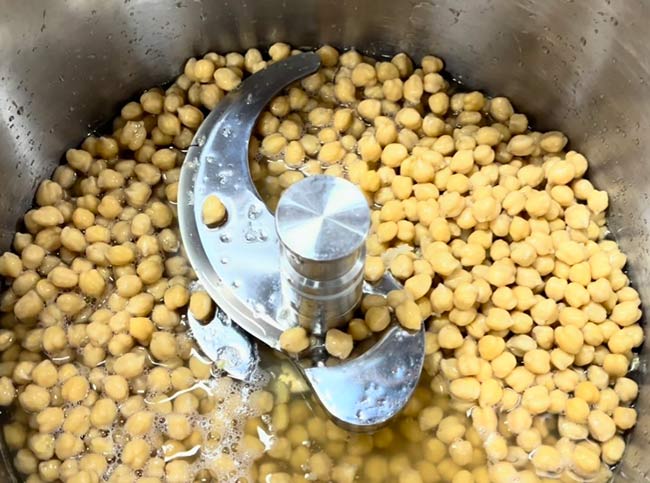
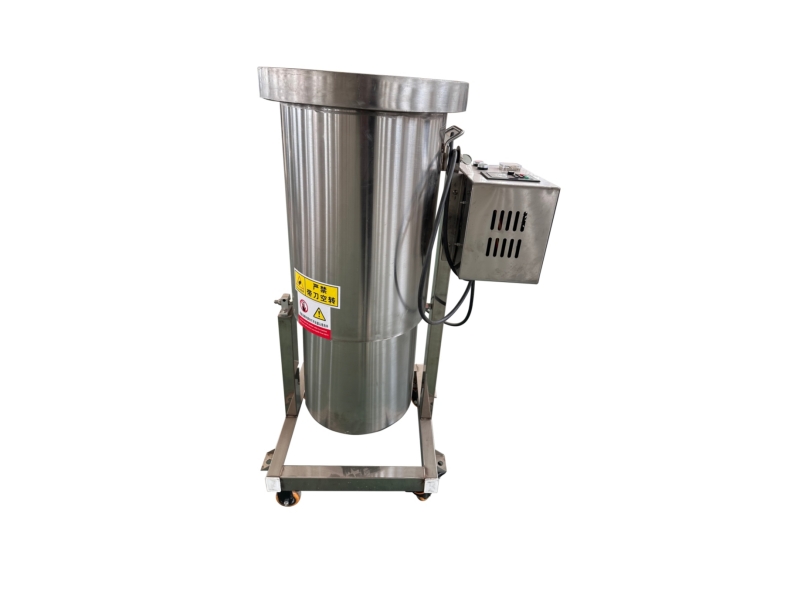
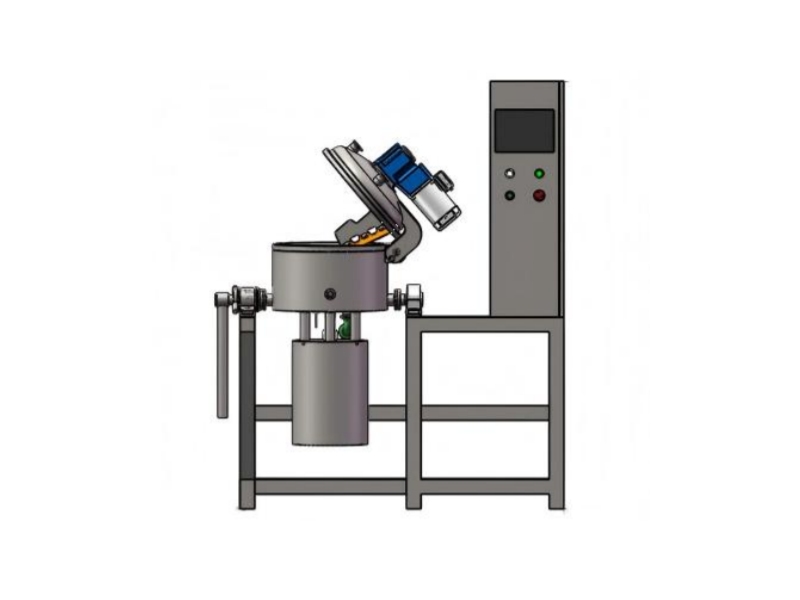
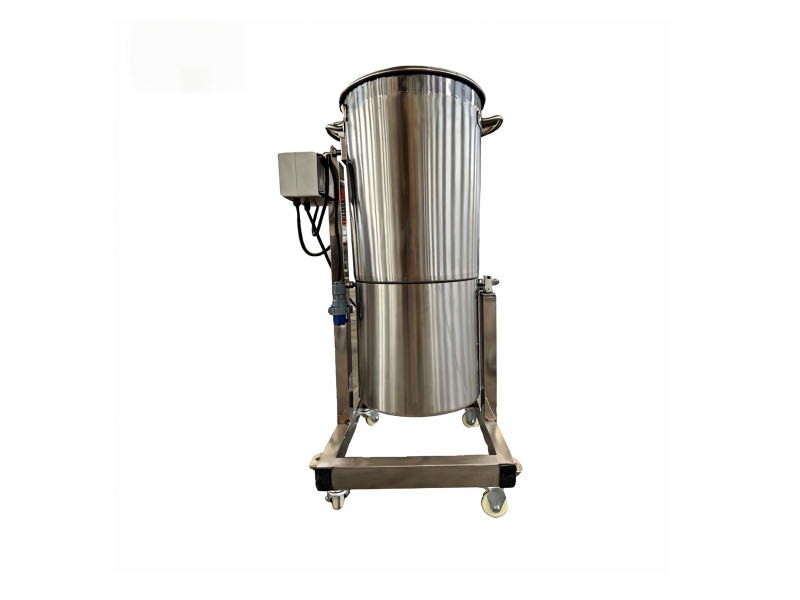
Our SLCM series cutter mixer can process cooked or soaked soft chickpeas, integrating efficient chopping, stirring, and mixing functions. The final product is the hummus, one popular dipping sauce.
Pot design: The matching mixing tank is usually cylindrical, with smooth inner walls to promote the formation of optimal vortex flow of materials and avoid dead corners.
Structural design: Its iconic feature is the vertically installed rotating blade shaft. The blade shaft is usually equipped with S-shaped or airfoil blades, which form strong radial and axial flow circulation under high-speed rotation.
Dual function: It can effectively cut and crush softened beans with sharp blades, and fully mix and emulsify bean paste and ingredients (such as sesame paste, olive oil, lemon juice, spices) through the special shape and speed of the blades.
Blade configuration: The blade material is high-strength stainless steel and can be customized for different viscosity formulas to optimize cutting efficiency and mixing uniformity.
Unloading method: Generally, the material is discharged by dumping. Certainly, bottom discharge valve design is also available.

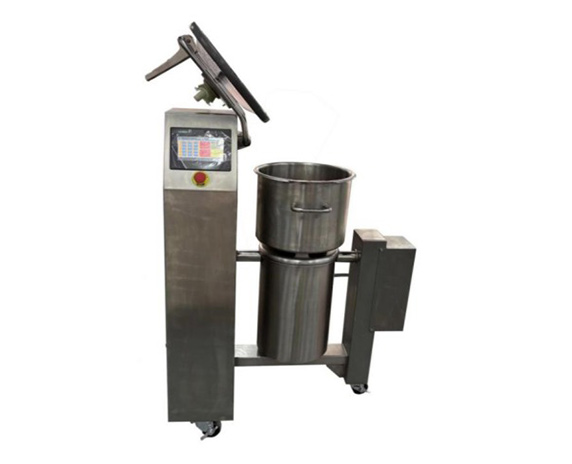
Operational flexibility: Support variable transmission, allowing for high-speed crushing and medium low speed mixing within the same batch, completing the basic preparation of raw materials to finished sludge in one machine.
Applicable stage: It is particularly suitable for producing traditional chickpea puree with obvious granular texture, or as a pre-processing step for colloid mills.
Cleaning and maintenance: Most designs are open top, and the knife set can be easily or disassembled for thorough cleaning.
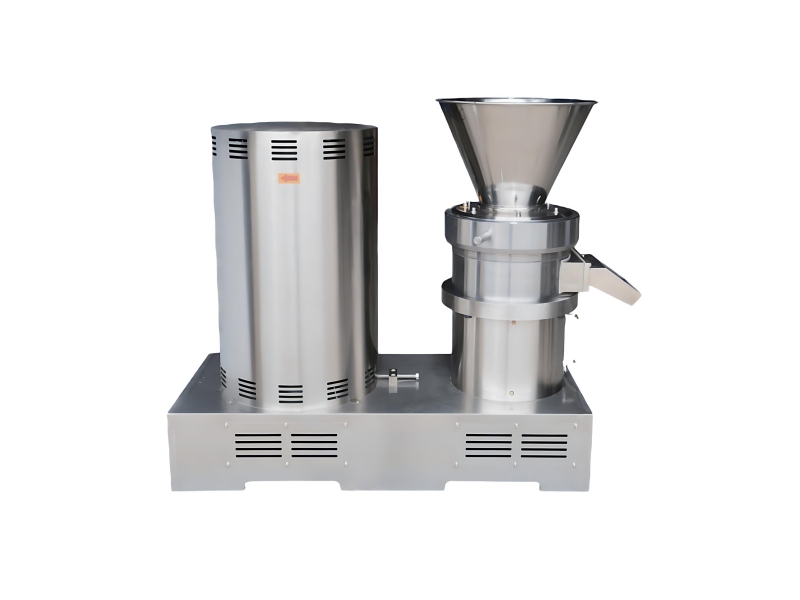
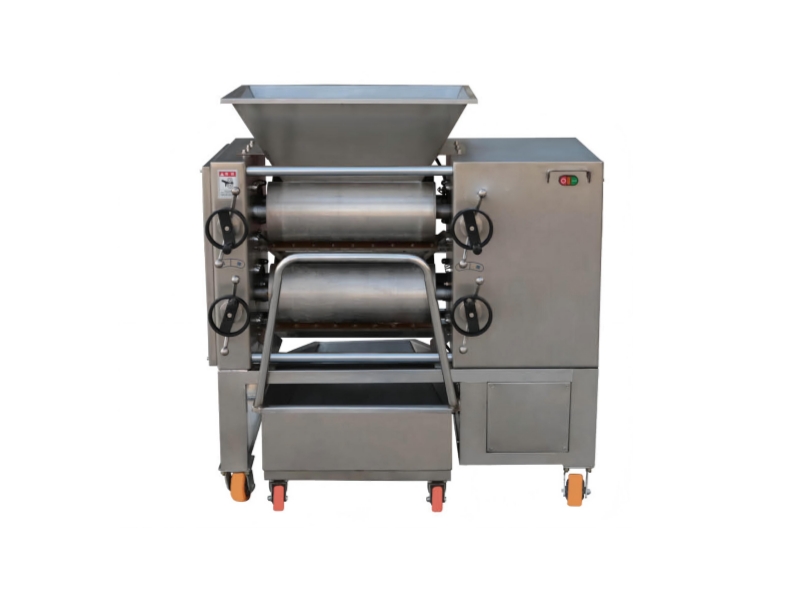
Our SLJM series colloid mill is a wet grinding machine for ultra-fine grinding and homogenization of cooked/soaked chickpeas. The grinding aim is to obtain a smooth and silky bean paste texture.
Working principle: The cutting force by the relative motion between the high-speed rotating rotor and the precision cut stator smashes, micronizes and homogenizes the chickpeas into smooth paste.
Material and smoothness: Key components such as grinding heads are made of hard alloy and processed and polished with ultra-high precision to ensure wear resistance and hygiene standards.
Core structure: Its crushing chamber (grinding head) is slender and narrow, with a precise structure. Multi level grinding head design (such as three or four levels) allows materials to undergo finer grinding step by step.
Excellent fineness: It can fully break down the cell wall of chickpeas, release more flavor substances, and the final product mud can reach micron fine size, achieving a top-notch taste that melts in the mouth, with a fineness far exceeding that of ordinary mixers.
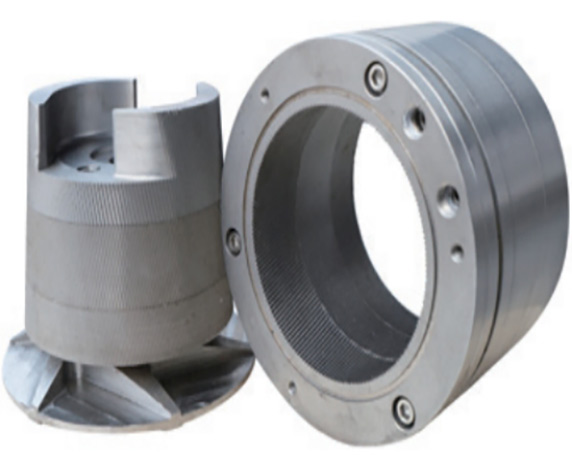
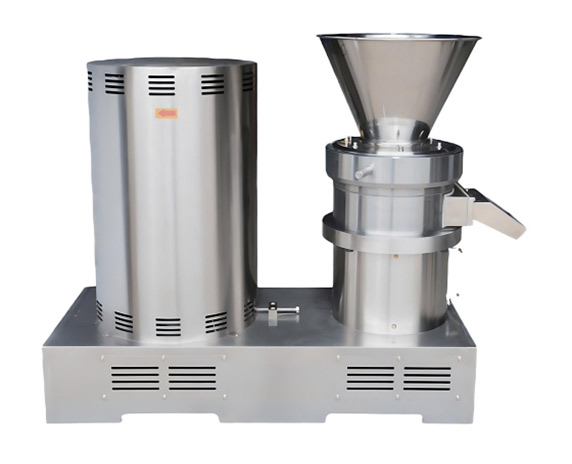
Continuous Production: Using continuous feeding and discharging methods, it is easy to integrate with upstream boiling pots, pre-processing machines, and downstream filling lines, achieving automated continuous production with high efficiency.
Temperature Control: In response to the issue of grinding heat generation, an efficient grinding head cooling circulation system is equipped to ensure controlled material temperature rise and maintain the freshness and flavor of the product.
How to grind chickpeas? We have explained you the three major chickpeas grinding machines. Now, we enter the stage of equipment selection and customized solutions. Here are eight key considerations to help you refine specific production requirements and machine requirements. Salinovate can provide comprehensive services based on your specific needs, including single machine recommendations, process design, and non-standard customization such as special materials, special capacities, and special control interfaces. We can even arrange sample testing to ensure that the equipment perfectly fits your production blueprint.

Ultimate Product Positioning
The final product is chickpeas flour, or hummus?
Raw Material Status
Clarify whether the raw materials are completely dry, semi moist, or cooked and softened?
Target Capacity Scale
Evaluate the planned output per hour or shift to match the processing capacity.
Particle Size Requirements
Mesh size of the powder or the fineness of the bean paste
Production Process Flow
Is the equipment used for independent processes or does it need to be integrated into a production line?
Complexity of Ingredients and Formulas
Is it necessary to add liquid oils, sauces, or other ingredients?
Hygiene and Cleanliness Standards
Is it easy to disassemble and manually clean? Or more requirements?
Energy Efficiency and Operating Costs
Comprehensive evaluation of equipment`s power, energy consumption, lifespan, etc.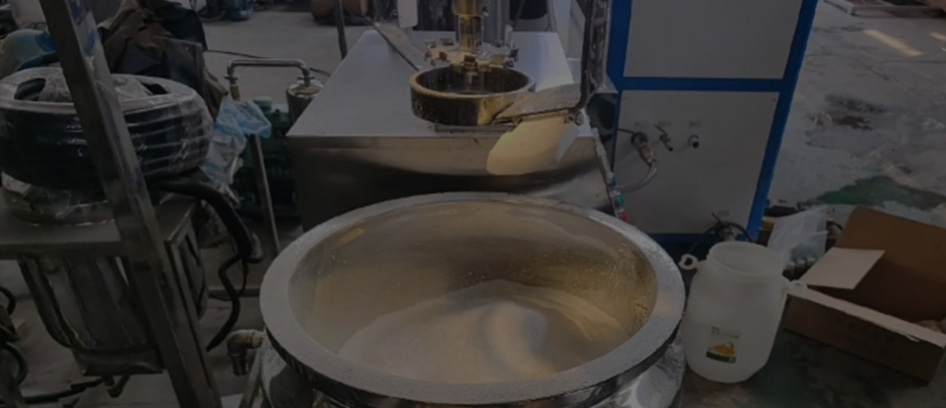
Provide you with the industry`s best solutions

Offer the pre-sales and after-sales technical support
Back to Top
We are devoted to the R&D, production and selling of the grinder machine, mixer machine and filling machine for the food factories. They work for the dry and wet food.
0086 150-5215-2936

 English
 French