


 English
 French
Seasoning Food Processing Machine New Trend
By:Salinovate Team Dec 15,2025
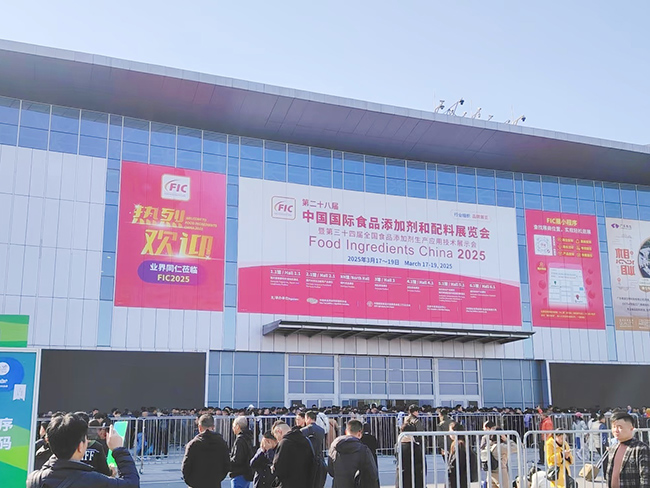
At the 2025 Shanghai FIC exhibition, a dazzling array of new seasoning powders and sauces were on display. The global seasoning market is expected to continue expanding in 2026.
Walking through and observing the exhibition hall, the biggest impression was that the seasoning industry is shifting from scale expansion to value creation. This presents new industry trends of new challenges and opportunities for food processing machine manufacturers like us.
I. Exhibition Overview: A Trendsetter for the Condiment Industry
As a highly influential food and beverage trade platform in the Asia-Pacific region, the Shanghai FIC exhibition attracts global attention from the food industry every year. The 2025 exhibition reached a new record in scale, with significant increases in both exhibitors and visitors compared to previous years.
In the condiment exhibition area, several changes were noticeable: exhibitors were no longer just traditional soy sauce and vinegar manufacturers; more and more companies specializing in compound seasonings and functional seasonings occupied prominent positions.
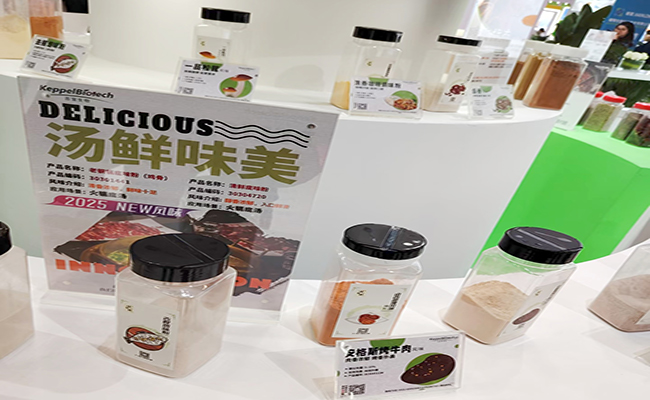
At the exhibition, many companies showcased compound seasonings tailored to specific cuisines. These products were typically presented in solid packets, rather than the traditional liquid or semi-solid forms. This trend of de-liquidizing and solidifying was particularly evident at the exhibition. This directly reflects the market's changing preference for portable, standardized, and long-shelf-life products.
II. Market Trends: From Basic to Compound
The structural changes in the condiment market are the most prominent trend at this exhibition. While basic condiments, the foundation of the industry, continue to grow steadily, their growth rate has slowed significantly. They are being replaced by explosive growth in compound condiments.
Compound Condiments Lead Growth: These products, due to their convenience, diverse flavors, and safety, have become the most innovative area in the industry.
Health and Functional Demands: Over 60% of consumers focus on health features such as zero additives and low salt/sodium reduction.
Regional Characteristics and Personalization: Domestically, spicy and mild/sweet flavors dominate. In Europe and America, sweet and sour flavors and sweet flavors are prevalent. Latin America, on the other hand, seeks a complex blend of sour, spicy, and spice flavors.
III. Flavor Innovation: Two-Way Breakthrough for Seasoning Powders and Sauces
At the exhibition, innovation in seasoning powders and sauces presented distinctly different yet complementary development paths.
In the seasoning powder sector, freeze-dried products saw a significant increase, expanding from traditional onion, ginger, and garlic powders to more complex compound flavor powders. One company even showcased a full range of plant-based meat flavor powders to meet the needs of vegetarians.
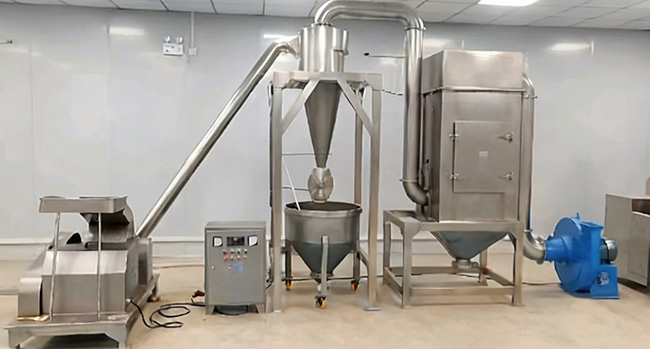
The key to producing these products lies in ultra-fine grinding technology and low-temperature processing to ensure the integrity of flavor compounds and the product's solubility. The growth of the seasoning powder market is closely related to the industrialization of the catering industry and the trend of de-chefization.
In the sauce sector, a clear trend towards functional segmentation emerged. In addition to traditional Chinese sauces, more companies are launching products targeting specific applications, such as baking jams, Western-style compound sauces, and hot pot dipping sauces.
Behind these innovative products are higher requirements for mixing uniformity, particle fineness, viscosity control, and packaging.
IV. Equipment Support: Technological Support for Industry Transformation
As a food machinery manufacturer, we focused on the equipment needs and pain points of condiment manufacturers at the exhibition. Currently, the core needs of the condiment industry for production equipment can be summarized as follows:
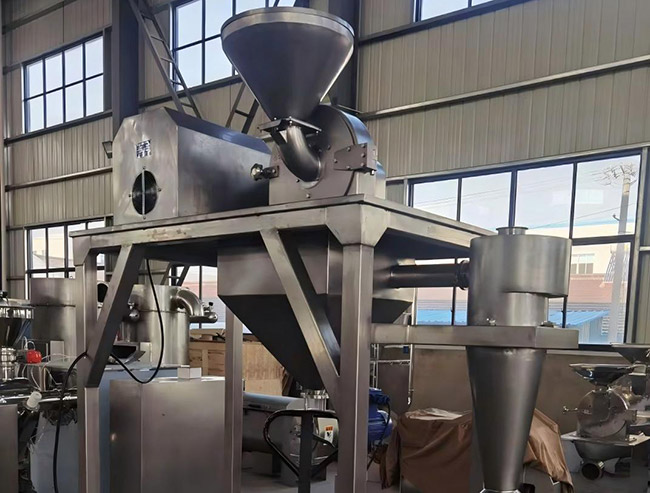
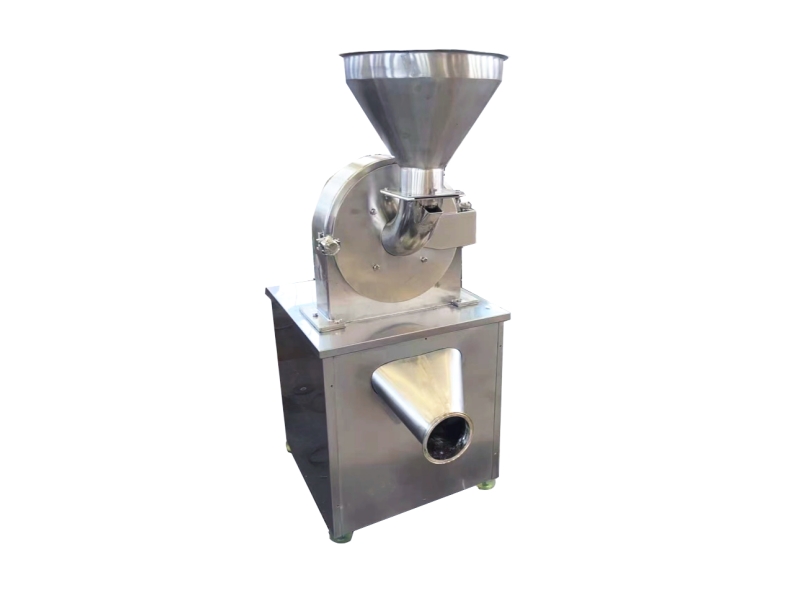
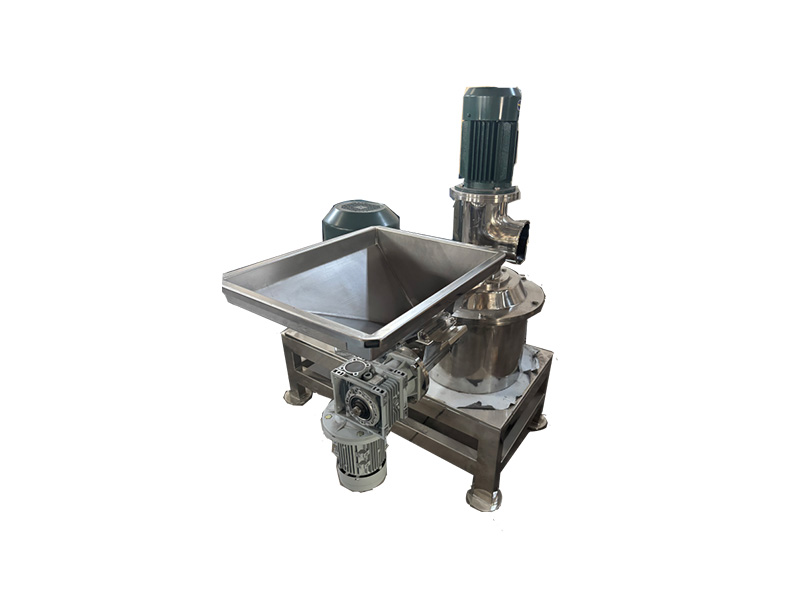
For grinding equipment, industry demand is shifting from traditional coarse grinding to ultra fine grinding and cryogenic grinding. Especially for heat-sensitive raw materials such as spices and natural extracts, cryogenic grinding technology can maximize the preservation of active ingredients and flavor compounds.
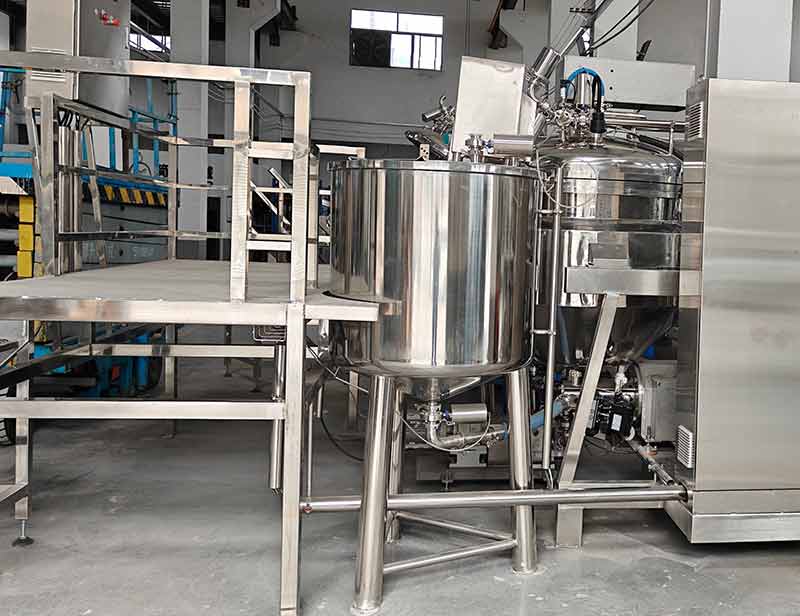
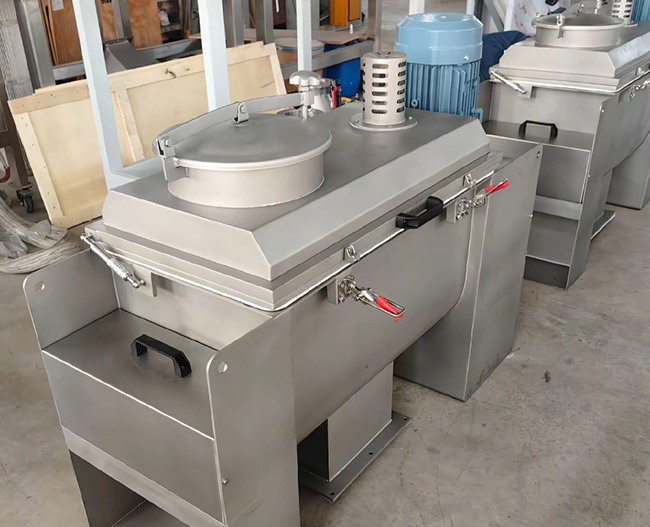
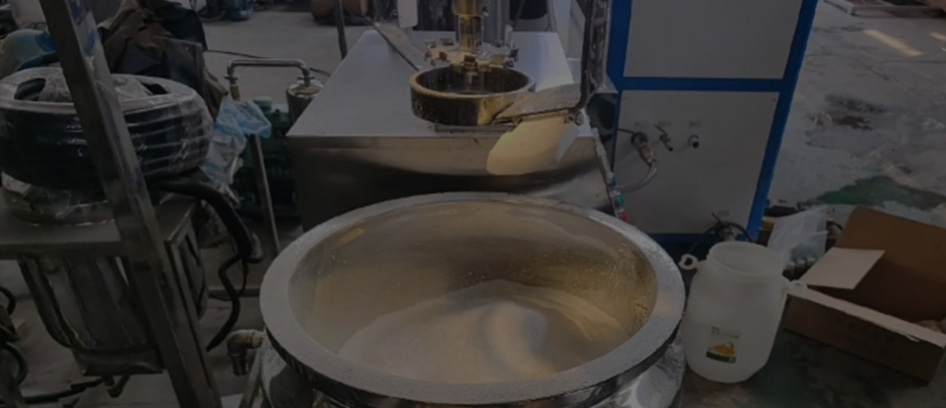
Regarding mixing equipment, companies are placing higher demands on the uniformity of mixing, ease of cleaning, and prevention of cross-contamination. Especially for small-batch, multi-variety production models, rapid changeover and thorough cleaning have become key considerations.
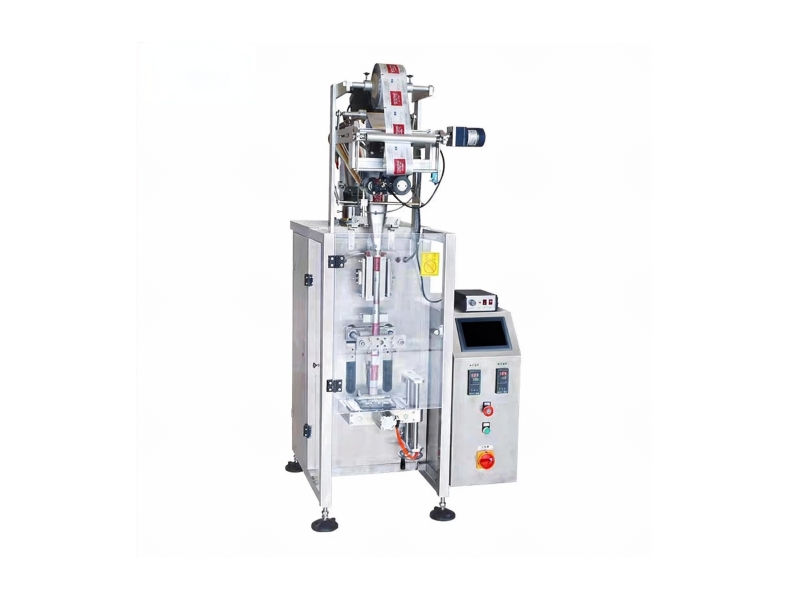
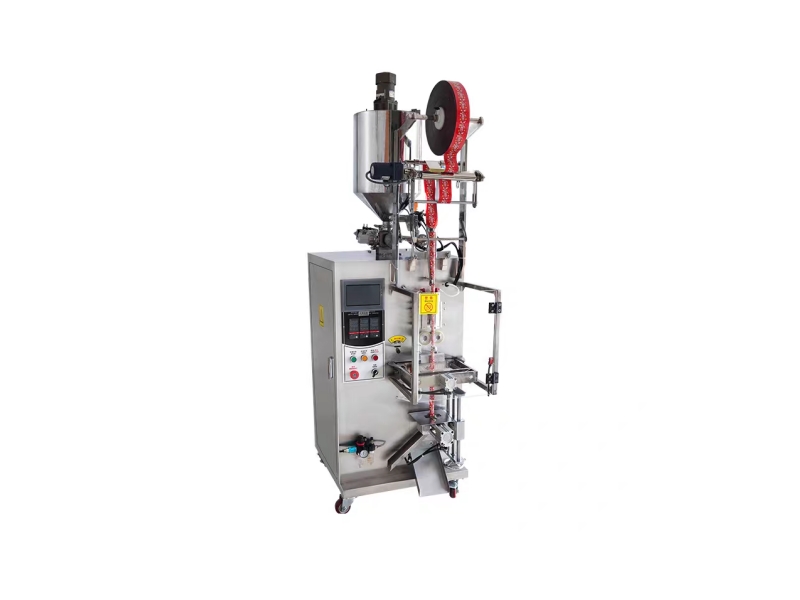
Filling equipment needs to be more flexible, adaptable to the filling needs of materials with different viscosity and different packaging forms. At the exhibition, one company showcased an intelligent filling line that can automatically identify product types and adjust filling parameters to achieve flexible production.
V. Future Outlook: A Trio of Health, Intelligence, and Sustainability
Based on exhibition observations and industry analysis, we believe the future development of the condiment industry will revolve around three core directions: health, intelligence, and sustainability. This also points to a path for food machinery manufacturers in product development and technological upgrades.
1)Healthy Production: This requires equipment to support the implementation of new processes. For example, the production of low-sodium condiments may require special mixing processes to ensure reduced salt content without sacrificing flavor; the production of functional condiments needs to consider the protection of active ingredients.
2)Intelligent Upgrades: This is not just about automating individual machines, but also about the digitalization and networking of the entire production system. Through industrial internet technology, data exchange and collaborative operation between equipment can be achieved, building a transparent factory.
3)Sustainable Development: This requires equipment to perform better in energy efficiency, material loss control, and clean production. In particular, more effective treatment and recycling technologies are needed for pollutants such as dust and wastewater generated during condiment production.
VI. Conclusion: Adapt to New Industry Trend
From the exchanges at the exhibition, it's clear that more and more condiment companies are beginning to focus on the total life cycle cost of equipment, rather than just the purchase price. This requires equipment manufacturers to provide more comprehensive before-sales service to help customers analyze their production line and customize the processing solution for them.
The founder of an emerging condiment brand at the exhibition frankly stated, "The speed of our product innovation largely depends on whether the equipment can quickly adapt to new formulas." This perfectly illustrates the crucial role of food machinery in the future condiment industry. It is not merely a production tool, but also a guarantee for the realization of innovation.