


 English
 French
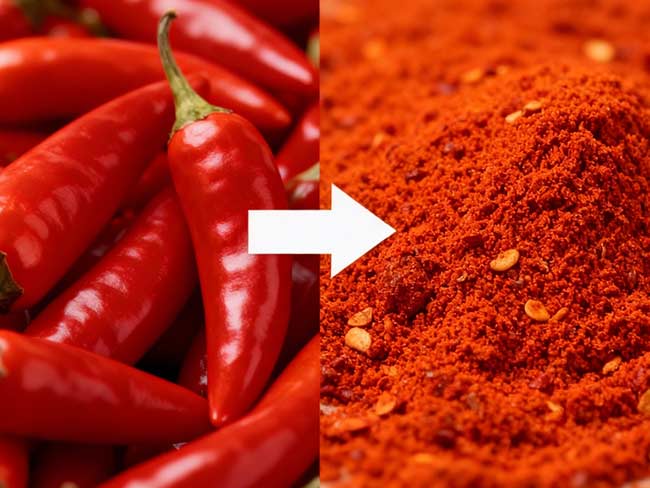
How to grind chili peppers into powder? This is a critical process in the chili processing line, directly impacting the color, flavor, shelf life, and commercial value of chili powder. This article systematically elucidates the scientific rationale behind the drying stage before chili powdering. Meanwhile you can see the comparatively analysis of the technical approaches, equipment principles, and quality control essentials of manual grinding versus industrialized powdering. We hope that these information can provide authoritative process references for chili processing professionals.

I. The Core of Pretreatment: the Scientific Basis and Operational Standards of Drying Process
Drying before chili grinding step is a fundamental process that determines the quality of the final powder product. Improperly dried chilies are prone to clumping, mold, and flavor degradation during crushing.
1.1 Purpose of Drying and Data Support
1)Reduce moisture to prevent mildew: Lower the water content of chili peppers from 70-85% in fresh peppers to the safe storage moisture standard (typically ≤10%), inhibit microbial growth, and avoid the production of toxins such as aflatoxin (according to FAO standards, a water activity Aw <0.7 effectively inhibits most mildews).
2)Lock in color and flavor: High-temperature rapid drying can deactivate polyphenol oxidase, preventing browning and preserving capsanthin (a type of carotenoid). Studies show that slow drying at 60-70°C minimizes capsaicin (the compound responsible for spiciness) volatilization, retaining the chili's heat level.
3)Enhance grinding efficiency: After drying, the pepper skin becomes brittle. Based on the past grinding test experiences, more dryer the chili peppers are, better the powdering performance will be.
1.2 Standardized Drying Process Parameters
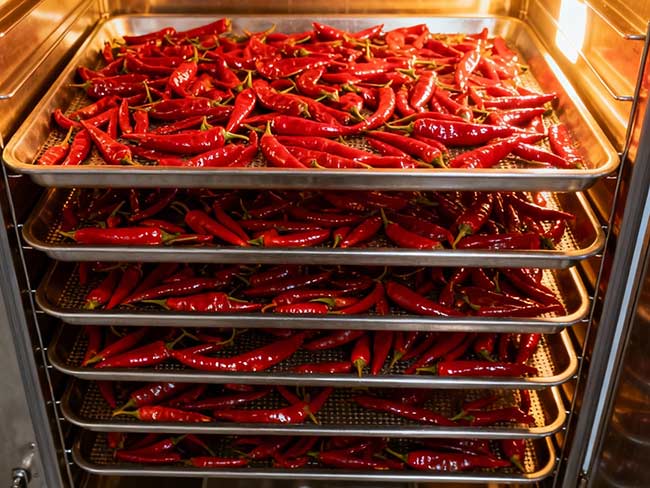
1)Temperature control: staged temperature control. In the initial stage, the surface moisture is removed at 50-60 ℃, and in the middle stage, it is deeply dehydrated at 60-70 ℃. In the later stage, it is lowered to 50-55 ℃ to avoid coking.
2)Drying machine and time: There are hot air circulation drying ovens, roaster machines, etc. as drying equipment. The total duration depends on the variety and initial moisture content, usually ranging from 4-12 hours. Of course, natural sun drying can also be used, which usually takes several days.
3)Endpoint determination: Rapid moisture analyzer to ensure moisture content ≤ 10%. Sensory wise, the pepper stem is easy to break and crisp, the pepper skin feels crisp when pinched, and the seeds shake with a sound.
II. Manual Grinding - Traditional Techniques and Limitations
Hand grinding is suitable for small-scale production, with the core of preserving traditional flavors, but with limited efficiency and uniformity.
2.1 Typical Tools and Processes
1)Stone mill: Low temperature and low-speed grinding, not easy to produce high-temperature flavor damage, but with a wide particle size distribution and extremely low yield.
2)Manual steel mill: Control coarse or fine powder by adjusting the spacing between grinding discs, but metal contact may cause slight oxidation.
2.2 Key Points of Quality Control
1)Pretreatment must be thorough: Manual grinding requires higher dryness, and even slightly higher moisture can cause clumping.
2)Screening process: After grinding, coarse particles need to be separated by sieving (such as a 40-60 mesh mesh sieve), and repeated grinding is carried out to ensure uniformity.
3)Hygiene control: Tools must be strictly cleaned to avoid cross contamination between different batches.
III. Industrial Grinding - Efficient and Controllable Modern Processing System
The core goal of industrial crushing is to achieve high efficiency, high uniformity, low thermal damage, and traceable quality control.
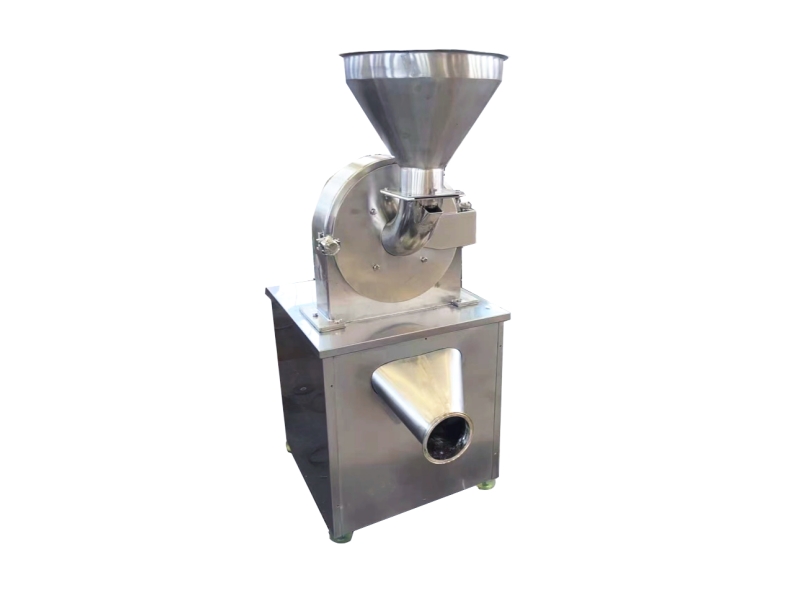
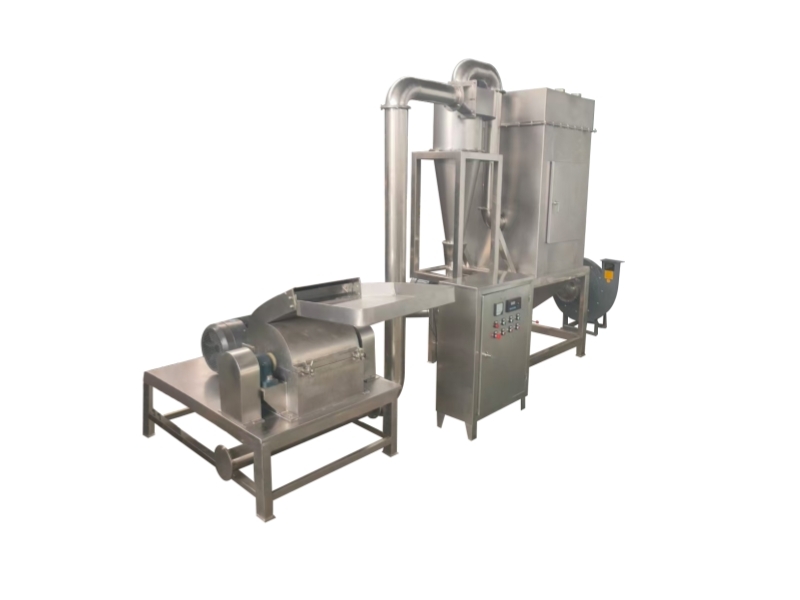
3.1 Mainstream Chili Grinding Machines and Technical Principles
Spice Grinder Model | Cutter Type | Dust Collector | Chili Powder Size | Temperature Control |
SLU series | hammer disc | optional | 10-40mesh | water cooling jacket |
SLU series | beating hammer | optional | 10-60mesh | water cooling jacket |
SLU series | turbine type | optional | 10-60mesh | water cooling jacket |
SLU series | hammer knife | optional | 10-60mesh | water cooling jacket |
SL series | hammer knife | standard | 10-60mesh | cold air cooling optional |
(For more spice grinding information, you can read our article - how to grind spices)
3.2 Industrial Production Standard Process Flow
Drying chili peppers → Removing impurities (magnetic separation, air selection) → Coarse crushing (if necessary) → Main crushing (equipment selected according to product fineness) → Cyclone separation and powder collection → Vibration screen grading → Metal detection → Automatic packaging
3.3 Key process parameters and data support
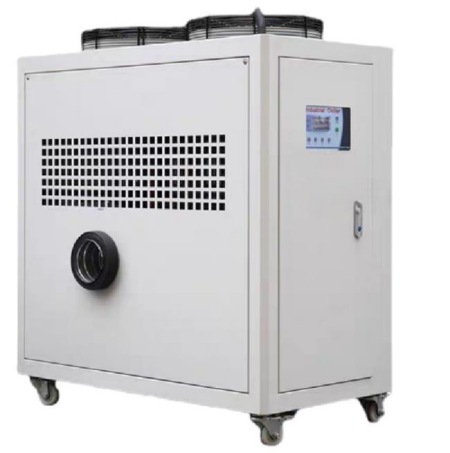
1)Crushing temperature control: Studies have shown that capsaicin has better stability below 80 ℃, and volatilization intensifies beyond this temperature. If you have high pursuit for the chili powder quality, we suggest to add the low temperature cold air cooling system(cooling temperature nearly zero).
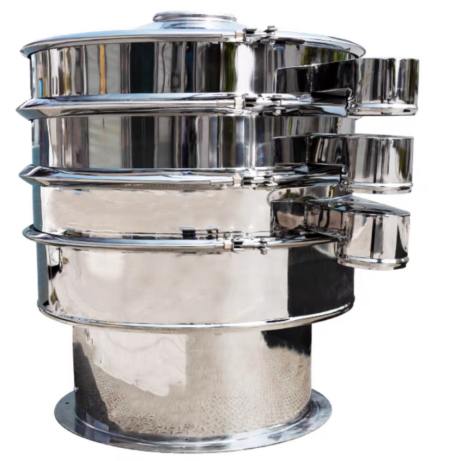
2)Particle size control: Basically 10-60mesh powder are the main chili powder size range required by the customers. When you have a special requirement for the powder size over 20mesh, over 40mesh, etc, we advise you to add one set of powder sifting machine.
IV. Conclusions and Recommendations
Regarding how to grind chili peppers into pepper, dry chili grinding is a key leap from agricultural products to standardized commodities. At the same time, strict drying pretreatment is a common cornerstone for both manual and industrial paths. For startups or small-scale processing, they can first choose natural drying or directly purchase dried chili peppers. Then pair it with the cost-effective SLU series small model spice grinders. For large-scale enterprises, it is recommended to choose professional drying machine and medium to large size spice grinder machines.
At the same time, we suggest to add a cold air system to reduce the color change and loss of nutrients caused by heating during the crushing process of chili peppers. The sifting machine is also optional to ensure that the finished chili powder product is in the required fineness range.
References:
1. FAO. (2018). Prevention and reduction of food and feed contamination.