


 English
 French
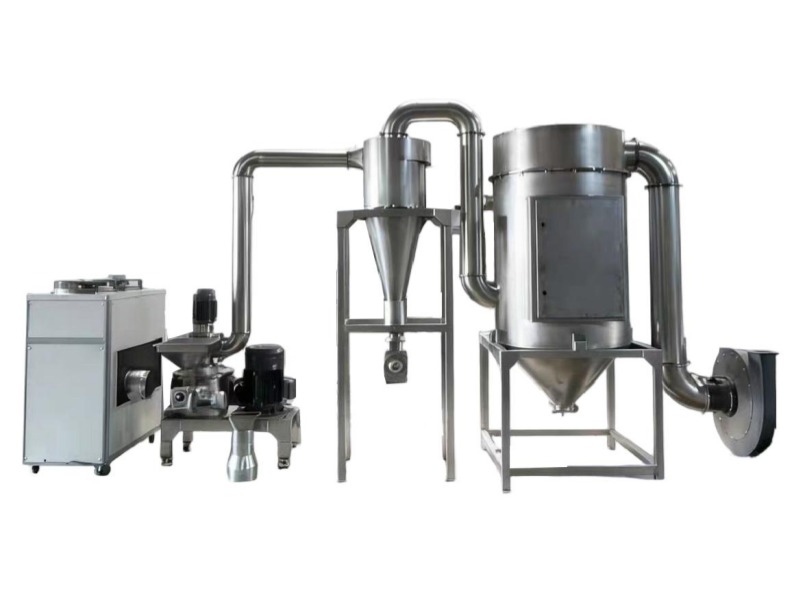
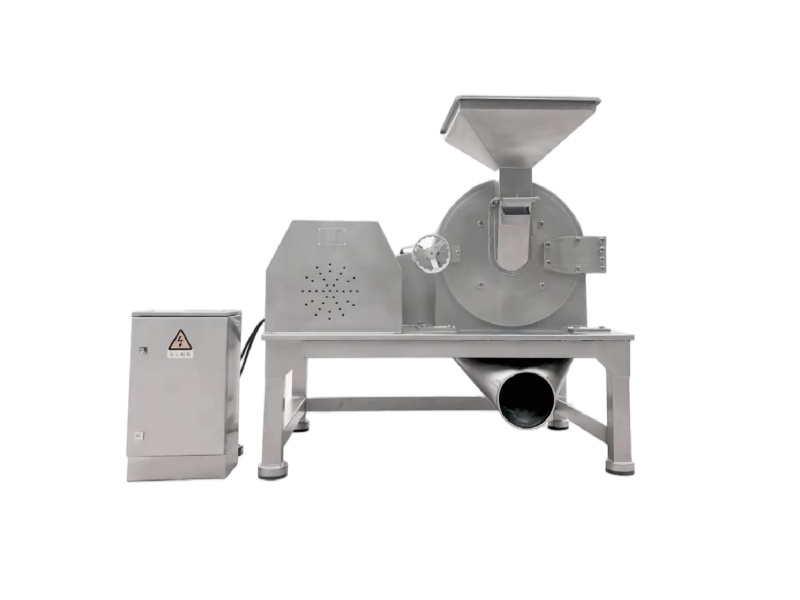
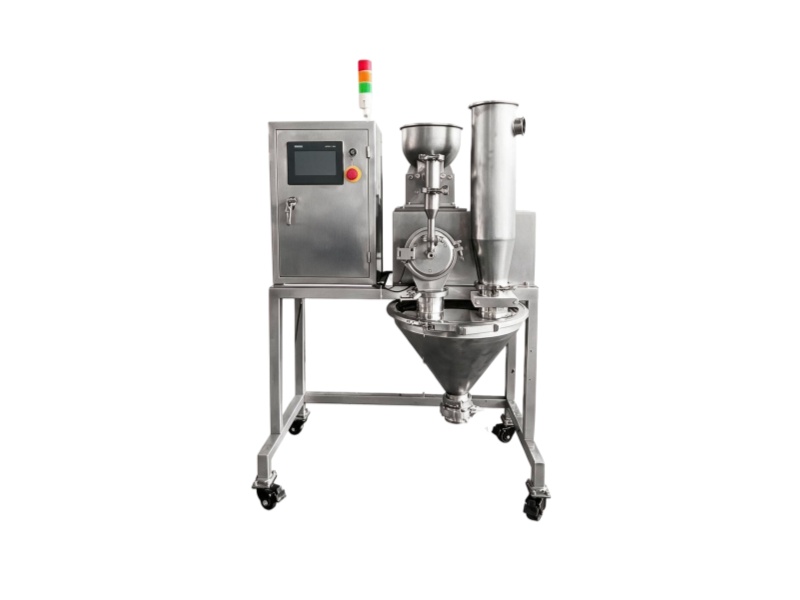
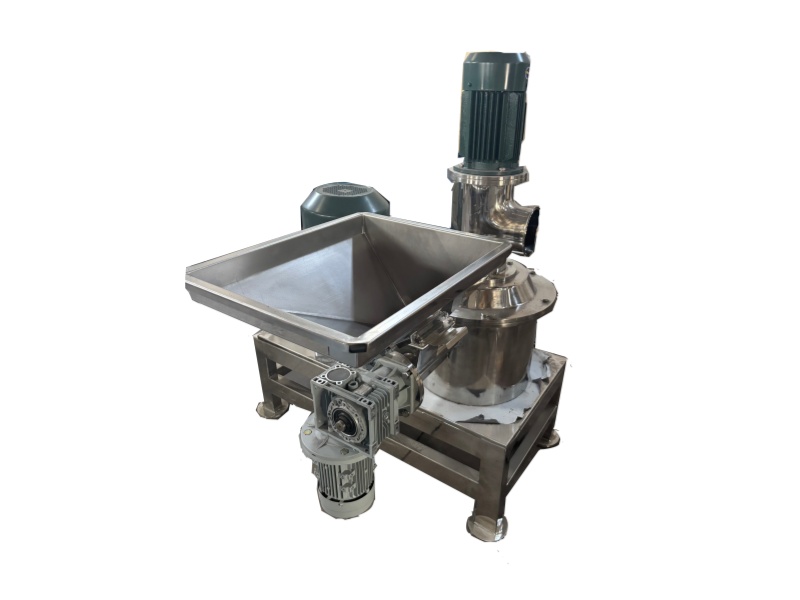
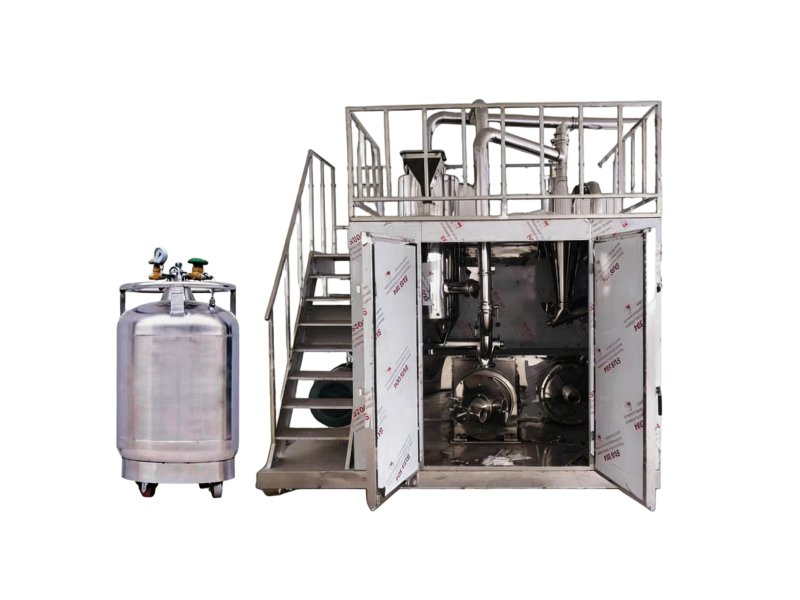
Unlike standard equipment with a fixed price, an air classifier mill is usually designed according to the customer’s powder processing requirements. A small laboratory-scale unit and a continuous industrial production system may have completely different configurations and investment levels. The most accurate way to evaluate air classifier mill price is not only to compare the machine quotation, but to understand what technical requirements are included behind the price.
I. Why Are Air Classifier Mill Prices Different Between Suppliers
Many buyers notice that different manufacturers may provide significantly different quotations for similar-looking equipment. This difference usually comes from several technical factors.
1)Grinding Capacity and Machine Size
Capacity is one of the most important factors affecting air classifier mill cost. A larger system requires: bigger grinding chamber, higher power motor, larger air handling capacity, more robust structural design, etc. A correct capacity should match production demand, target particle size, material properties, etc.
2)Different Materials Require Different Grinding Component Designs
The grinding components(grinding blades, cutter heads, grinding disc, internal wear parts, etc) are directly exposed to high-speed impact and friction. For general applications(low-abrasion grinding), standard stainless steel materials such as 304 stainless steel may be sufficient. However, when processing harder materials(such as rice, cinnamon, turmeric, fibrous or hard plant materials), the wear requirements are significantly different.
For wear-resistant grinding component design, hardening treatment on the steel is required. The strengthened versions of blade, grinding disc, etc have a cost rise compared with the original version. In a long-term using view, the cost rise is of great value to bring long time stable production.
3)Control System and Electrical Configuration
The control system is another factor affecting investment. Different customers may require different automation levels. Basic button control for simple operation requirements while advanced PLC control for parameter monitoring and safety protection system, etc.
Regarding electrical configuration, if you require the well-known brand Siemens, Schneider, Delixi, etc top brand, the cost is higher than those domestic or second-tier international brands. What’s more, explosion-proof electrical components also mean higher machine cost.
4)Supplier Reputation and Brand Value
Many internationally recognized manufacturers like Hosokawa, Netzsch, and Coperion, etc have very long company history and production experience. Their air classifier mills are often charged at a very high price, which reflect accumulated technical knowledge and proven solutions developed through many years of industrial applications. Certainly, compared with common supplier, they often have international sales teams, regional representatives, technical support networks, etc.
II. What Should Be Included When Comparing Air Classifier Mill Quotations
A common mistake is comparing only the equipment price. A better comparison should include:
1)Technical Specification
• Processing capacity
• Target particle size
• Material compatibility
2)Included Components
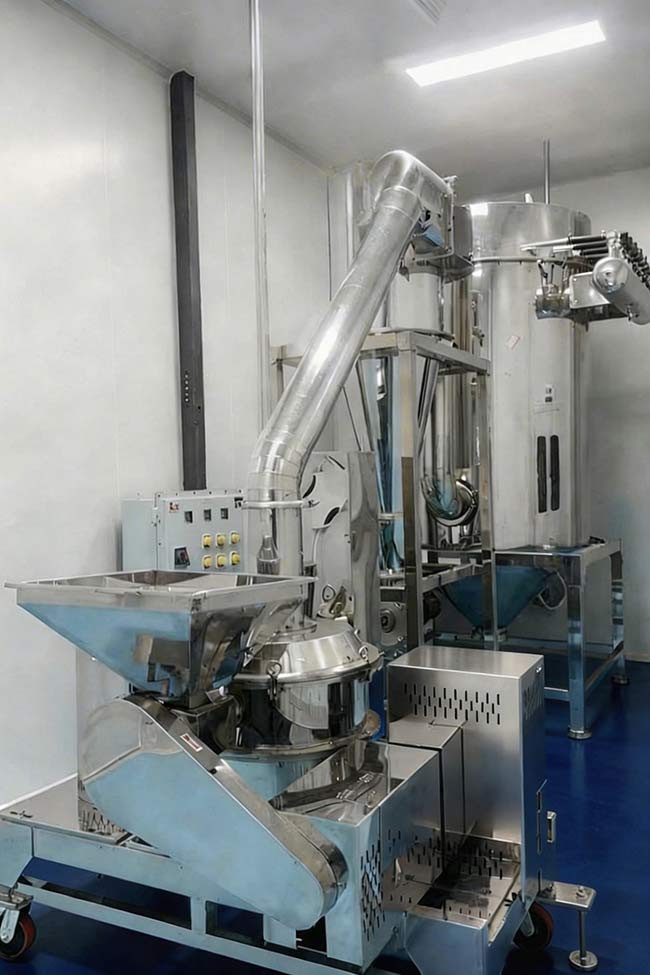
• Main mill
• Classifier system
• Dust collection
• Feeding system
• Electrical control
3)Service Support
• Engineering communication
• Installation guidance
• Spare parts availability
• Technical support
The lowest quotation is not always the lowest total cost. A machine with poor particle size control or unstable operation may create higher costs during production.
III. How Does Salinovate Evaluate Air Classifier Mill Projects
At Salinovate, air classifier mill solutions are evaluated based on the customer’s actual processing requirements rather than only selecting a standard model.
Before recommending equipment, important factors include:
• Raw material characteristics
• Required powder fineness
• Production capacity
• Continuous operation requirements
• Final powder application
• Electrical brand and control system requirements
This approach helps ensure the selected grinding system matches the customer’s production goals.
For different applications, configurations can be adjusted according to:
• Grinding requirements
• Powder quality expectations
• Production environment
IV. What Information Provided to Get the Accurate Quotation
To evaluate an air classifier mill project, customers should provide:
1)Material name
2)Moisture and hardness information
3)Required particle size
4)Production capacity
5)Working hours per day
6)Special requirements (food grade, explosion-proof, cooling, etc.)
V. Final Thoughts
The price of an air classifier mill reflects more than the machine itself(grinding capacity, fineness control, etc). The cheapest option, is not the one that provides the best balance between investment, performance, and production requirements and long term using valve. Before purchasing an air classifier mill, a professional evaluation based on your material and application is the best way to ensure a successful powder processing project.