


 English
 French
Retrofit with High-Pressure Homogenizer for 300Mesh Peanut Butter Production
By:Salinovate Team
This case is based on a retrofit for 300mesh fine peanut butter production in a food factory. It presents a complete presentation of the inter-generational leap in peanut butter quality by accurately adding a high-pressure homogenizer and supporting system.

I. Customer Background Introduction
This customer is an old customer who previously purchased a peanut butter production line, from the grinding section to the filling section. Nowadays, customers have higher requirements for the fineness of finished peanut butter, which must reach 300 mesh to meet the latest production needs of end customers. The customer hopes that the retrofit project will maintain the existing layout and make as few changes as possible. This is a typical proposition of "additive transformation".
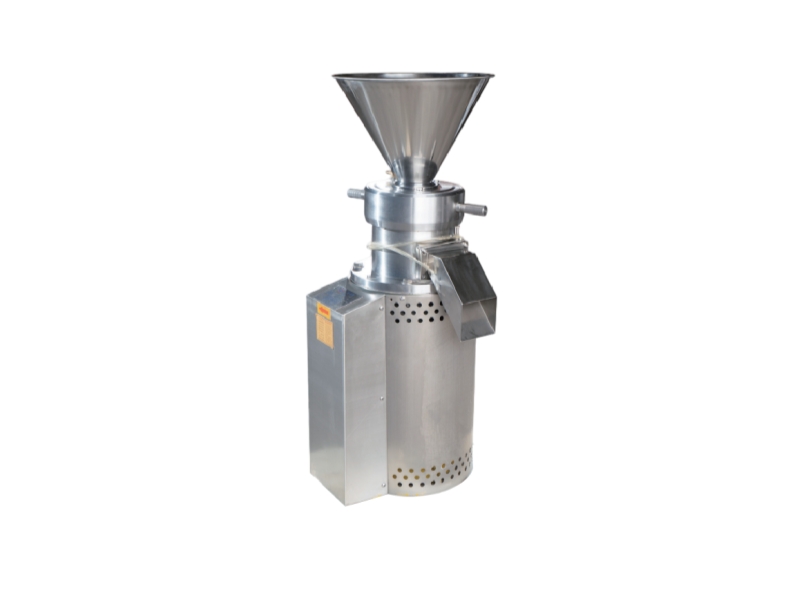
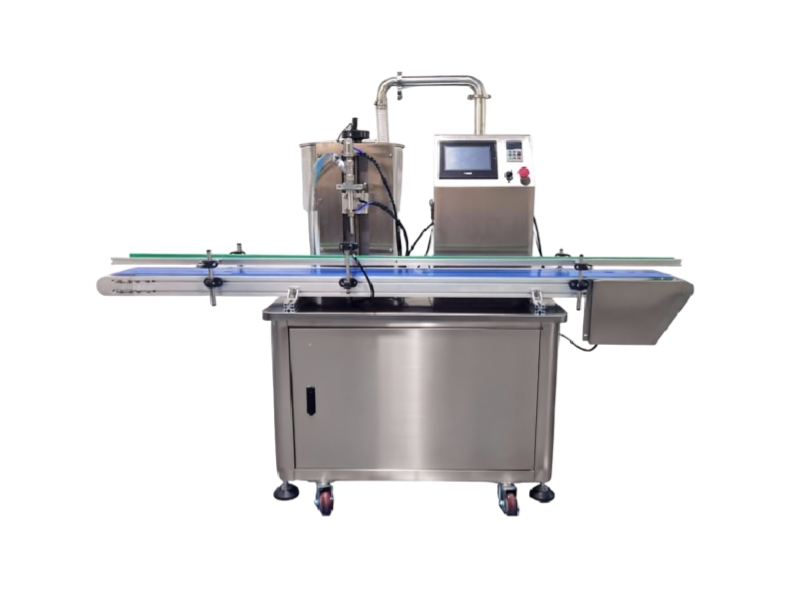
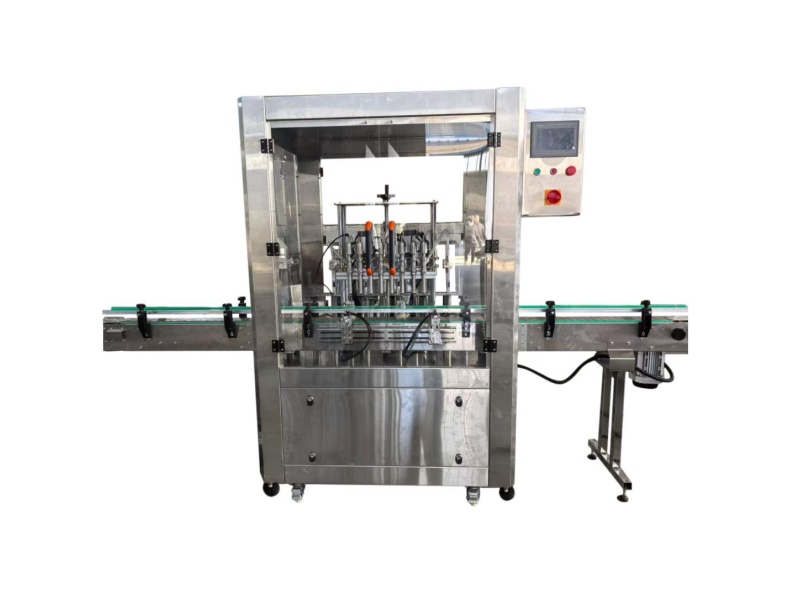
The original production line design: two colloid mills are used for coarse and fine grinding, and then fed into the storage tank for use in the filling machine. The devices are connected through screw pumps and pipelines.
II. Transformation Plan
2.1 Technical Path Selection
For nut butter such as peanut butter, a fineness of 300 mesh is a relatively high fineness requirement in the industry. If relying on colloid mill equipment, the fineness cannot meet the standard. Generally, the minimum requirement is two types of equipment, a colloid mill and a fine grinding machine. In this case, the high-pressure homogenizer is the most suitable as a fine peanut butter grinding machine.
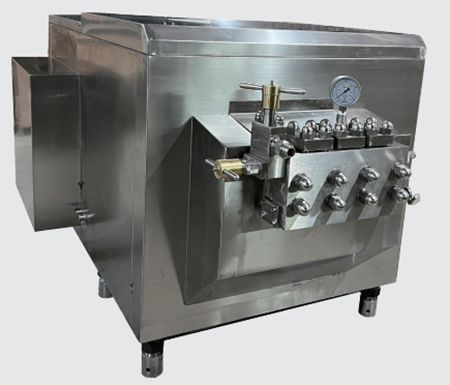
The working principle of a high-pressure homogenizer: Under high pressure (100-150MPa), the material passes through a precision homogenization valve and undergoes three physical effects:
1)Hole effect: When the pressure drops sharply, a large number of tiny bubbles are formed inside the liquid and instantly collapse, generating local shock waves (with an energy density of up to 10 ⁹ W/m ²), which disperse the aggregated particles
2)High speed cutting: When the material passes through the valve gap, the speed can reach 200-300m/s, generating strong shear force
3)Collision fragmentation: High speed jets collide with the impact ring, further refining the particles by colliding with each other
After two colloid mills for coarse and fine grinding, the original design of peanut butter fineness was between 100-150 mesh (106-150um). On this basis, with another round of precision grinding, the 100MPa high-pressure homogenizer can already meet the customer's requirement for a fineness of 300 mesh (48um). This is the conclusion drawn after multiple high-pressure homogenization tests of peanut butter, which can be seen in our previous peanut butter homogenization test video.
2.2 Our Renovation Plan
The original equipment remains unchanged: raw materials → colloid mill A (coarse grinding) → buffer tank → colloid mill B (fine grinding, 100-150 mesh)
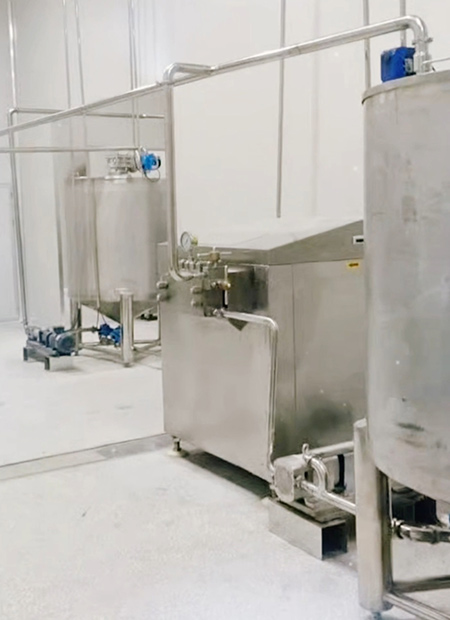
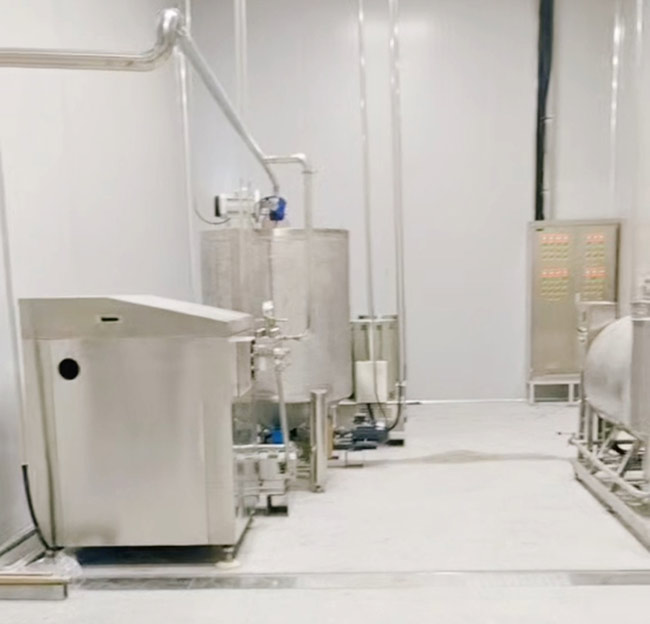
New equipment: Install a high-pressure homogenizer and a matching mixing storage tank behind colloid mill B.
Control logic: The automatic transfer of materials between newly added devices and between new devices and original devices is achieved through screw pumps. Direct control in the main electrical control cabinet is achieved through pneumatic valves and pipelines.
III. Summary of Transformation - A Replicable "Additive" Methodology
3.1 Core Experience of This Renovation
Experience 1: Do not easily discard equipment that customers can still use
The customer's original two colloid mills are in good condition and have sufficient peanut butter production capacity, but the fineness limit cannot meet the new demand. Our solution is to let the colloid mill do what it is good at (rough grinding, fine grinding to 150 mesh), and let the homogenizer do what it is good at (breaking through the fineness limit to 300 mesh). This is collaboration, not substitution.
Experience 2: Ultra fine grinding must be accompanied by anti settling measures
300 mesh peanut butter, with particle specific surface area increased by more than three times, Brownian motion weakened, and gravity deposition intensified. A finished tank without mixing will start to layer within 20 minutes. The finished product storage mixing tank is not optional, but necessary.
Experience 3: High pressure homogenizers have strict requirements for the feeding system
A working pressure of 100MPa means that the feeding end must have a stable, pulsation free, and sufficiently pressurized feeding system. We choose screw pumps instead of centrifugal pumps because:
1) Screw pump is a positive displacement pump, with a linear relationship between pressure and speed, and simple control
2) The screw pump has low shear and will not damage the particle structure before homogenization
3) The screw pump has strong self-priming ability and can extract material from the low position of the buffer tank
3.2 Replicable Transformation Combinations
For similar requirements (the colloid mill has reached its fineness limit and needs to break through to 200 mesh, 300 mesh, or even 500 mesh), our modification plan is a combination of colloid mill and high-pressure homogenizer. The specific model and technical configuration depend on the specific raw materials, feed fineness, and discharge fineness requirements, as well as the size of the colloid mill model, homogenizer pressure value, and matching screw pumps and mixing tanks.
The transformation is similar, but the specific issues need to be analyzed by adding the required production capacity, shear force, homogenization force, and conveying capacity to the equipment.